Sponsored by Bengal Transportation Services
When it comes to heavy lift projects, most people focus on the crane’s capacity and the weight of the load. But in the field, the issues that cause delays, added costs or safety concerns are often the ones no one planned for. Bengal’s crane team sees this often and helps customers avoid it.
Celebrating its 30th anniversary, Bengal Crane Logistics Transportation in Geismar, La. provides turnkey heavy haul and heavy lift services, combining in-house engineering, logistics and project management to keep complex projects safe, efficient and on schedule.
Below, the company shares five commonly overlooked factors in heavy lift planning and how addressing them early can keep your project on schedule and on budget.
-
Access vs. placement
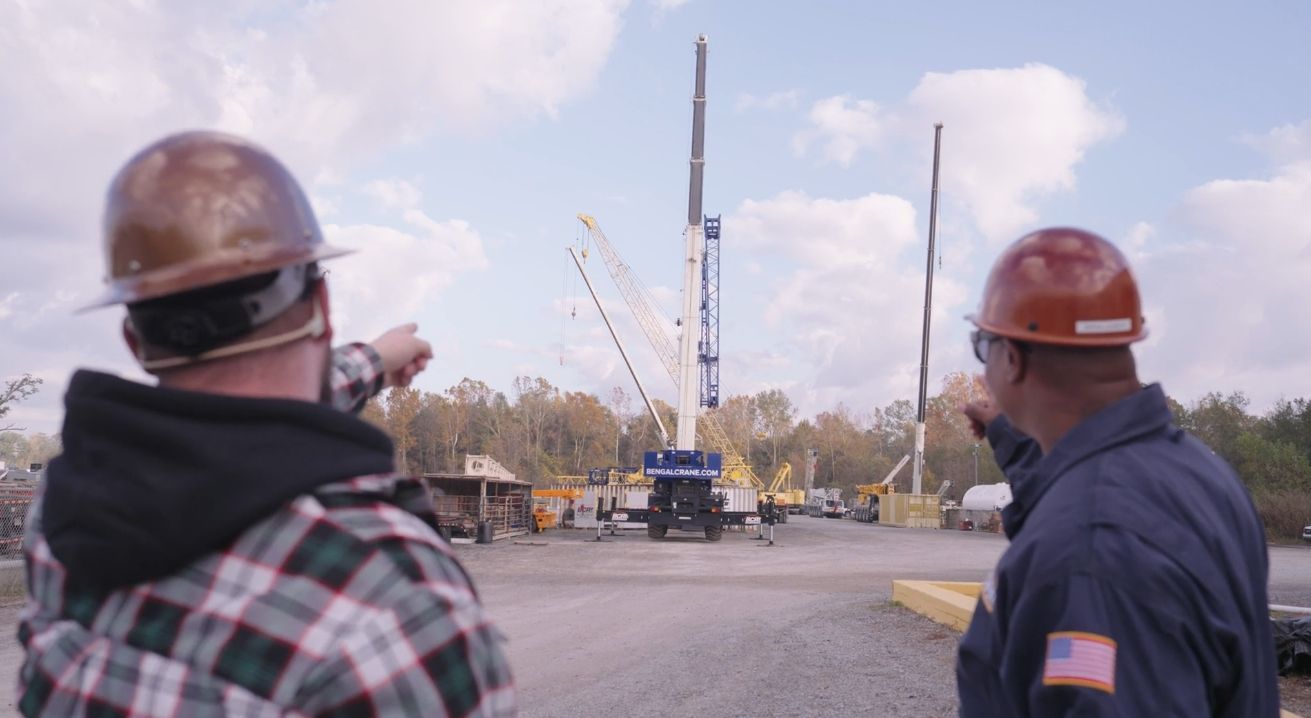
On paper, the crane may fit perfectly in its final lift position. The real question is: can it actually get there? Tight turns, narrow gates, soft shoulders and overhead obstructions can all prevent the crane from accessing the site. Early site walks and realistic access routes help prevent last-minute surprises when the crane arrives.
-
Counterweight and assembly space

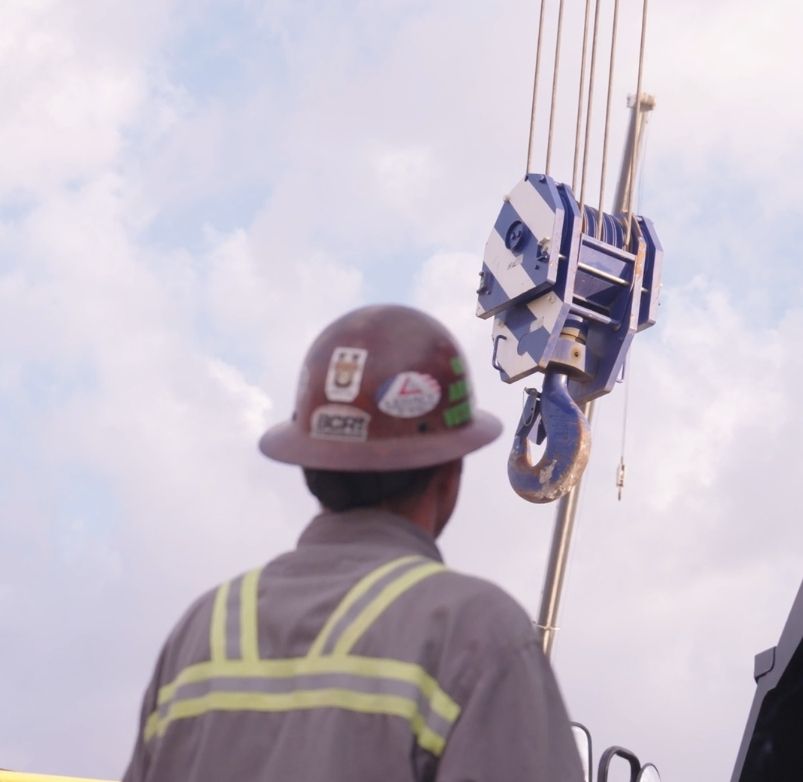
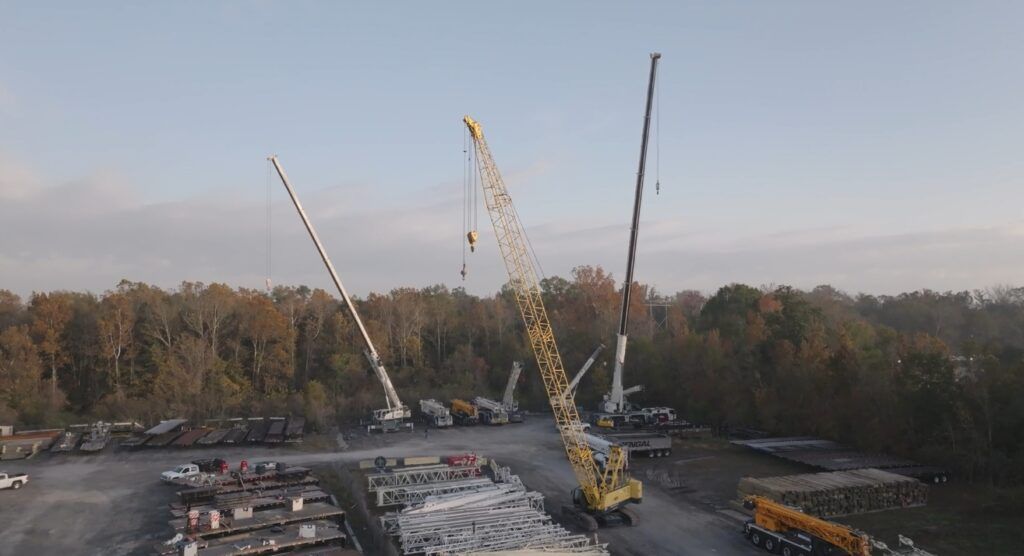
Modern cranes are highly capable because of their counterweight systems, but those counterweights need room to be delivered, staged and installed. A lack of dedicated space for assembly can slow down the job or force unsafe improvisation. Planning where counterweights will be stored, how they will be moved into position and how assembly will be organized is critical. Bengal’s team looks not only at where the crane will stand, but at the full footprint needed to build it safely and efficiently.
-
Overhead and underground obstructions
Overhead hazards like power lines, pipe racks, trees and existing structures can restrict boom movement or load travel. Underground, utilities, vaults or unstable subgrade can compromise crane stability. It’s not enough to check clearances at a single point in the lift. Planners must verify a clear path for the entire swing and travel of the load and ensure the ground can support the crane and its outriggers. Identifying these conditions early allows time to reroute, reinforce or re-sequence work before the lift date.
-
Permitting and regulatory considerations
DOT permits for crane transport, temporary road closures, police escorts, municipality approvals and lift plans all carry lead times that can impact the schedule. Overlooking permitting can turn an otherwise straightforward lift into a delay. Bengal helps customers navigate these requirements by integrating permitting and regulatory timelines into the project schedule from day one.
-
Engineered vs. standard lifts
Not every lift is created equal. Some are classified as critical and require a formal engineered lift plan, especially when multiple cranes or tandem lifts are involved. Complex lifts demand additional planning, engineering review and safety coordination. The earlier these are identified, the easier it is to align the right equipment, personnel and documentation. Bengal’s experience and certified training capabilities help ensure that engineered and critical lifts are executed with a heightened focus on risk reduction.
Planning beyond the crane
Ultimately, successful heavy lift planning is about thinking beyond the crane itself. By engaging Bengal early for site visits, logistics planning and safety and schedule integration, customers can reduce unknowns before they become costly problems and complete lifts more safely and efficiently. Learn more about the full range of services offered by Bengal by visiting bengaltransport.com.