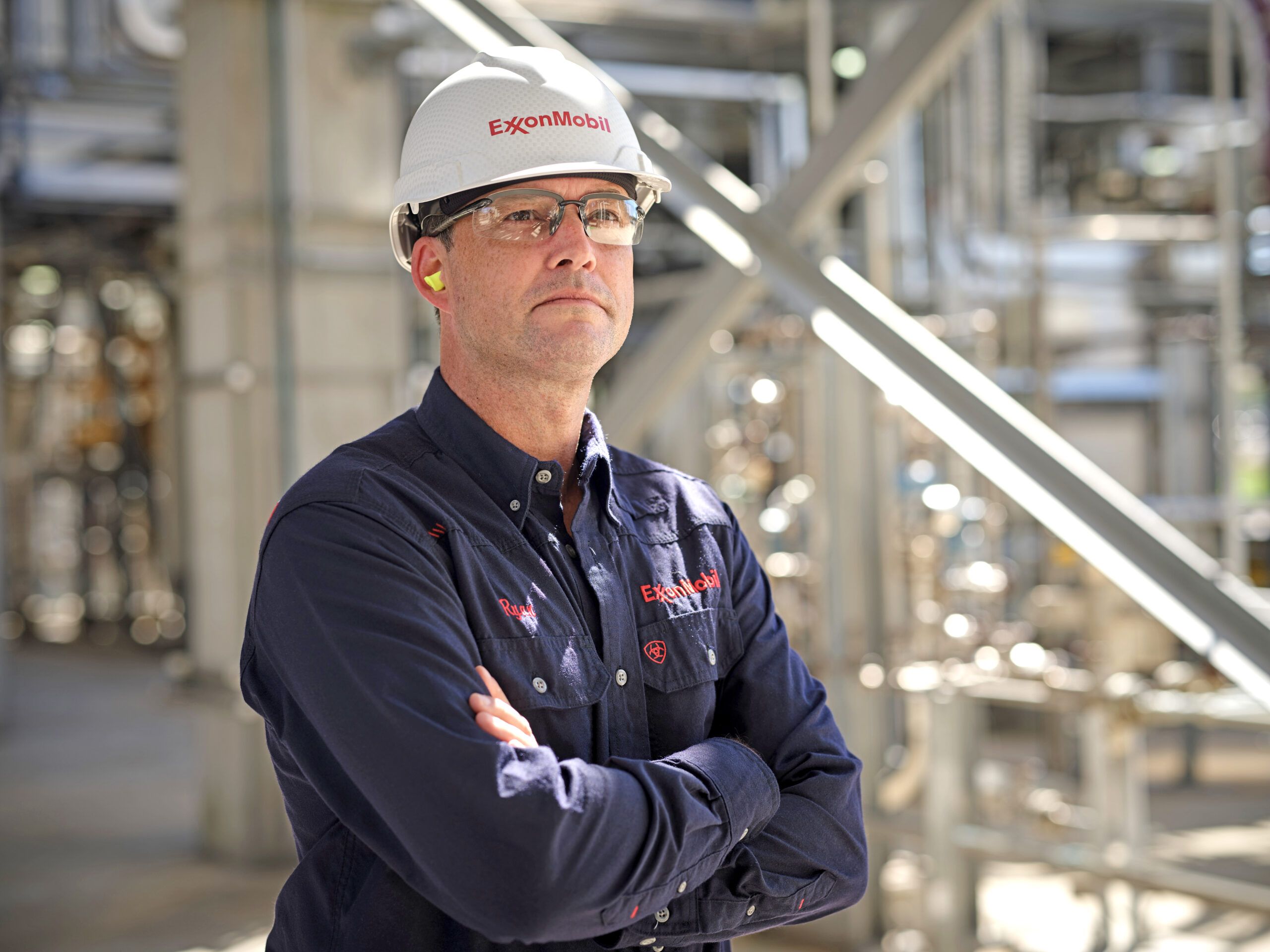
POSITION: Site manager, Baton Rouge Polymers North facility
COMPANY: ExxonMobil
WHAT THEY DO: ExxonMobil’s BRPN is a major petrochemical plant specializing in the production of high-density polyethylene and polypropylene. It is part of a large, integrated complex that recently underwent a $500 million-plus expansion to double its polypropylene capacity by 450,000 metric tons per year. Some 500 employees and 400 contractors work in the facility.
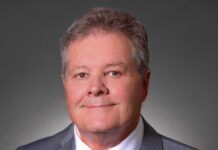
Throughout his decades-long career, Ryan Kerrigan has built a broad foundation across the polymers, olefins and refining value chains, serving in engineering, technical, safety/health and process leadership roles. His experience spans both standalone sites and highly integrated manufacturing complexes, giving him a deep understanding of operational excellence, risk management and cross-functional team leadership.
In addition to his operational background, Kerrigan has held roles in polymers product management and global strategic planning for ExxonMobil’s chemicals portfolio. Currently, he is responsible for site strategy, organizational development, operational discipline and the safe, reliable production of high-quality polymer products.
Challenge
In recent years, Kerrigan has come to expect his toughest challenge to always be just around the corner. Change is constant in the polymers business, and business has been booming due to changing markets, new technologies, shifting workforce expectations and rising global competitiveness.
“Usually, my role requires that I plan out the next five to 10 years, but you never know what this business is going to throw at you,” Kerrigan says. “Today’s environment is very dynamic. The manufacturing landscape is changing fast.”
Through it all, Kerrigan must ensure that his employees successfully navigate the uncertainty and have a clear understanding of the “whys and hows” of every change. He strives to paint a clear vision of the future for them, despite his own uncertainty.
“That’s what people require from their leaders,” he adds. “How do we weather this storm? How do we shift resources? How do we adapt?”
That was especially true during the integration of ExxonMobil’s polymer plants in Baton Rouge in tandem with completing the Polypropylene Growth Project in 2023.
Ensuring a seamless transition was paramount, as each plant had different cultures and methods of work. “Integration is an easy word to say but hard to execute,” Kerrigan says. “It requires difficult choices. How do we position the site and the company for the long run and remain competitive for decades to come?
“The integration piece of it was the real challenge—bringing our people along and bringing clarity as to why the change was necessary.”
The resolution
Kerrigan ensured that everyone kept their focus on the company’s two primary goals: keeping people safe and remaining competitive.
“We are a standards-driven organization, and we use our systems to ensure we stay compliant to the fundamentals,” he says. “We had to identify the enablers that help us do that—the technology, the tools, etc. That’s how you create the foundation for high performance.”
Kerrigan found that the simple act of listening was critical to the process, and he made a practice of challenging assumptions and being purposefully self-critical.
“As a leader, you must have courage and discipline, but you must also have humility … because you don’t have all the answers,” he says. “The best answers don’t come from the administration building. They come from triangulating what’s going on in the field, listening to their ideas, then incorporating them when necessary.”
It’s equally important for large organizations to avoid being inwardly focused. ExxonMobil is a dominant player in the polymers world, so the company proactively searches for new ways to leverage its technology, size and expertise. It is currently implementing some new business lines, including graphite and a specialized epoxy resin.
“That’s where the fun lies,” Kerrigan says. “How do we take our products and leverage our scale to make them more affordable for the world?”
The Takeaway
In a commodities business, companies must continuously evolve and grow or risk losing their relevance. The polymers market is particularly competitive and robust, so ExxonMobil remains mindful of the basics of competition.
“In global operations and manufacturing, you’re continuously being challenged by your neighbor down the street or somewhere around the world to supply your product to the market in the most efficient way,” Kerrigan says.
“We are still a commodity provider, and the goal is to provide a low-cost solution,” he adds. “Despite our growth and dominance in the market, the rules of supply and demand remain the same.”
The key to survival in the next 10 years, he notes, will be using available tools and technologies to lower costs over the long run and implementing changes “that we can’t even begin to predict right now.” And that will require a unique type of leadership, one that isn’t afraid of change but also isn’t afraid to listen.