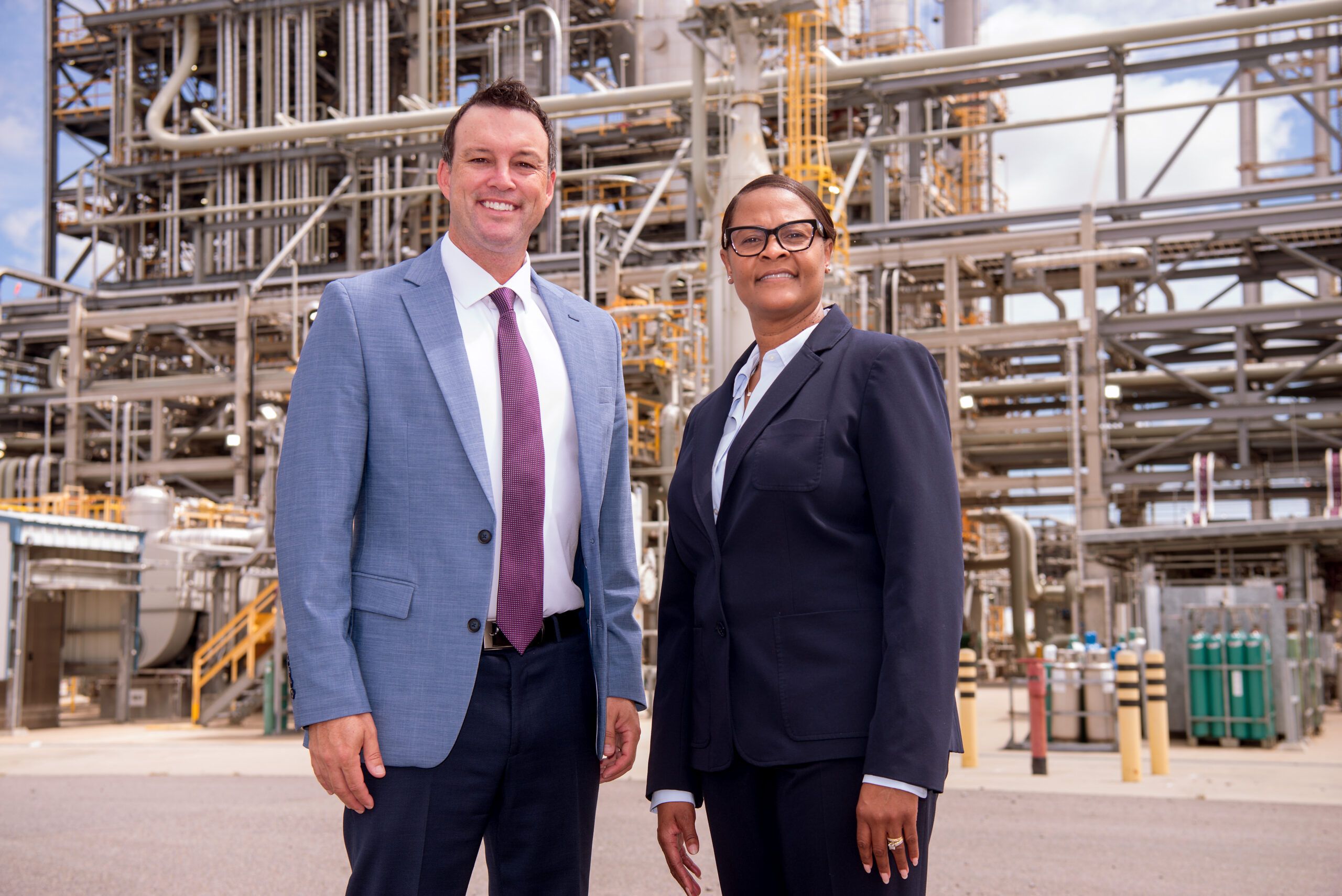
For ExxonMobil, community engagement isn’t simply a matter of sponsoring a local festival or sitting on the boards of a few select civic groups. It’s equal parts strategic and impactful, as the company aggressively and collectively seeks to identify the needs of the city and state in which it resides, then takes action.
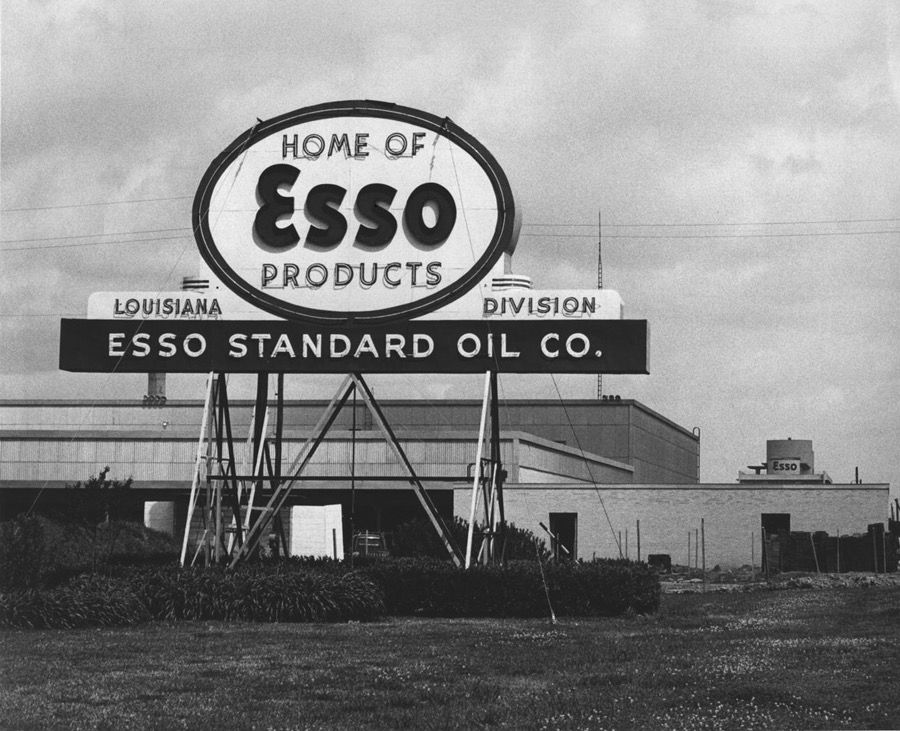
 The Baton Rouge complex is somewhat unique in the ExxonMobil universe—and the industrial universe for that matter—given its expansive location within the boundaries of a major city that also happens to be the state capital. In many ways, that only serves to amplify its impact as it provides the ability to more easily rally city, state and civic leaders around a cause.
Externally, ExxonMobil regularly engages with civic organizations and focus groups to learn of community needs, then internally ensures that their employees and contractors know what they support.
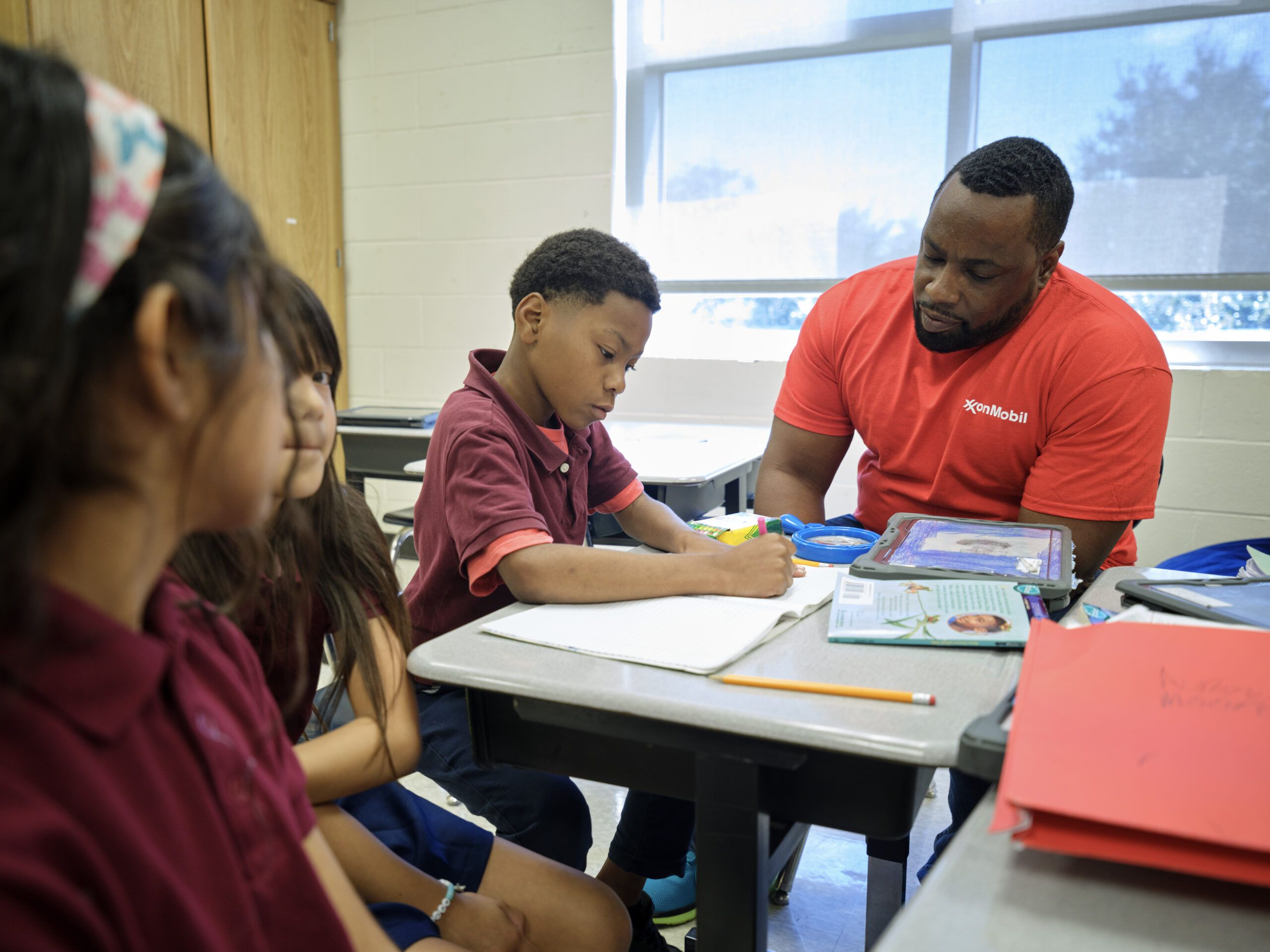
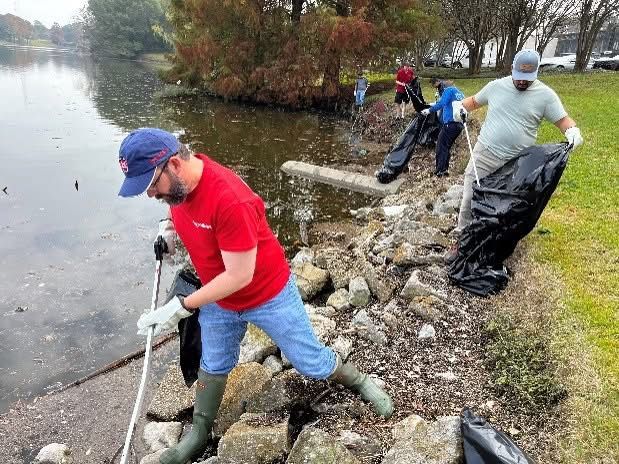
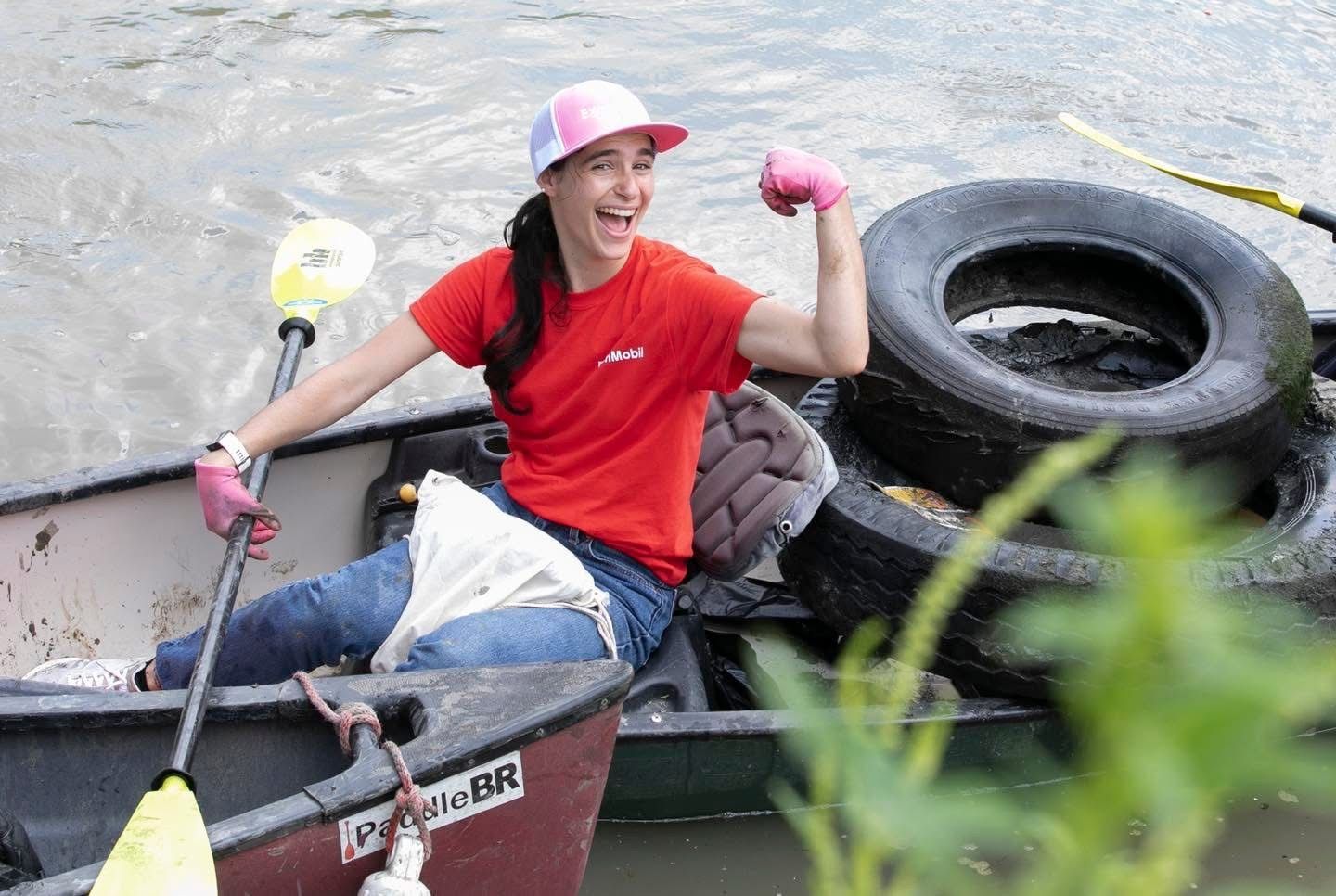
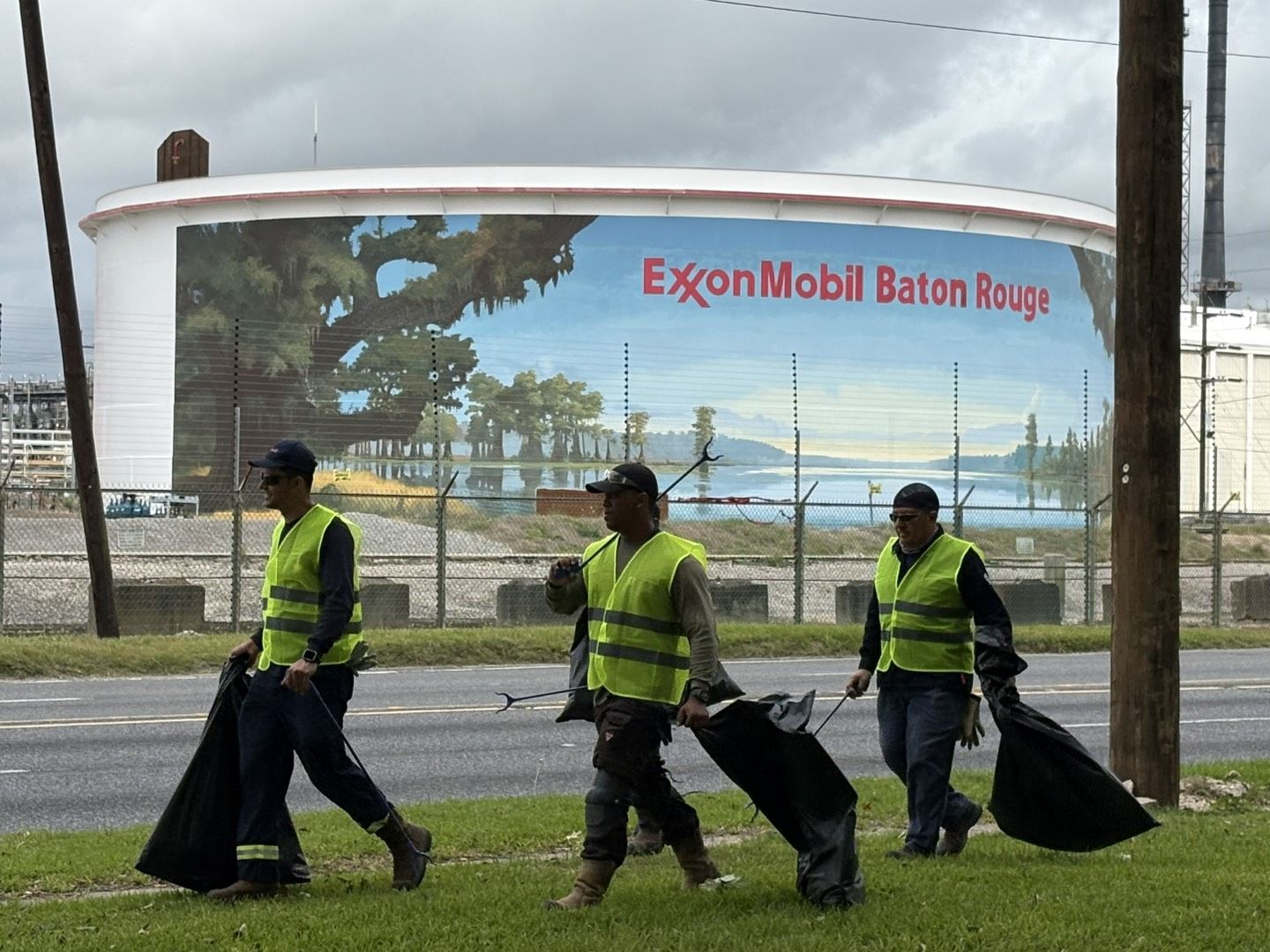
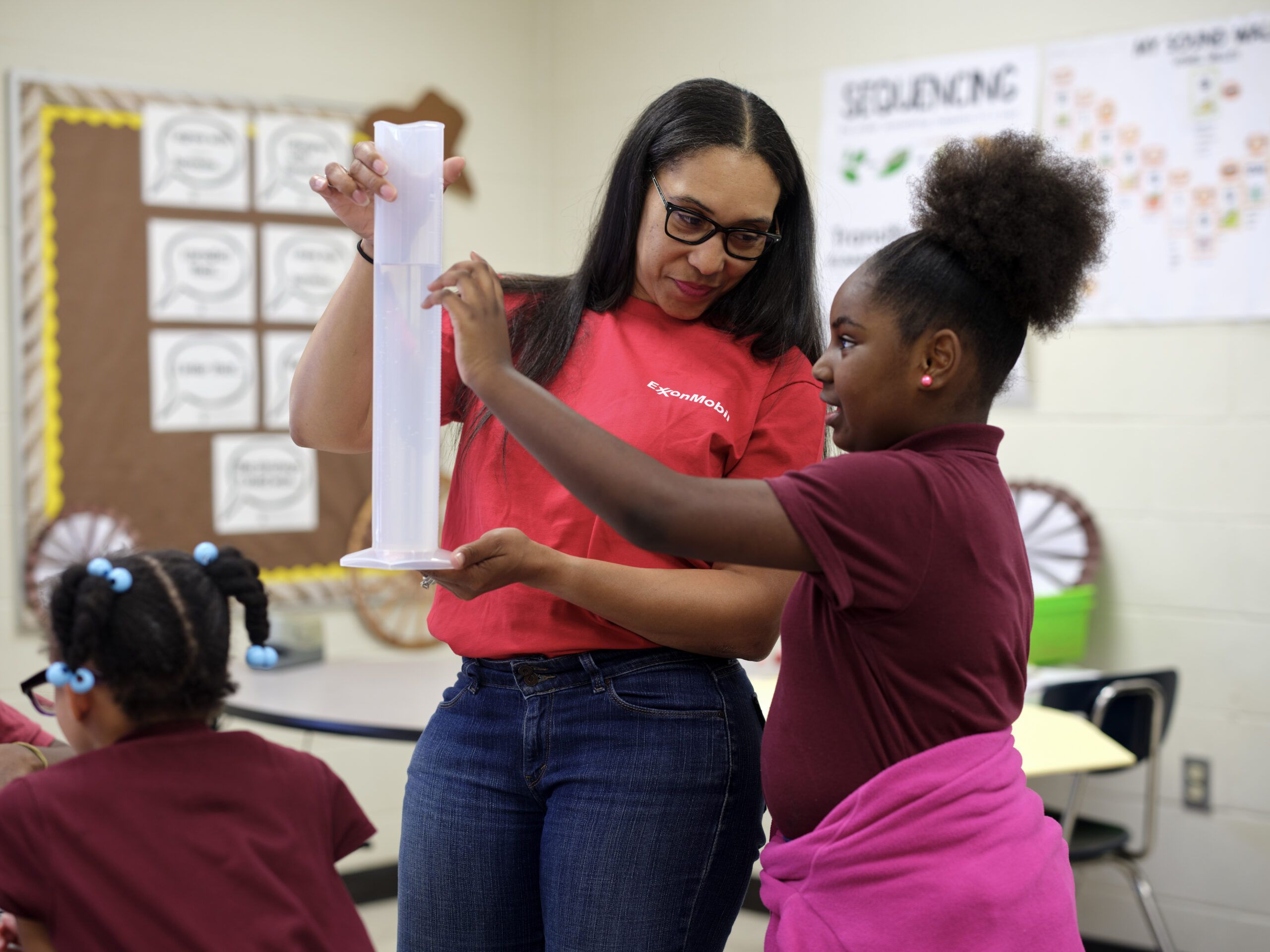
“Community is everything for us,” says Rory Denicola, a public and government affairs advisor at ExxonMobil. “It’s about being involved with the schools and community colleges for education and workforce development initiatives, but it’s also about planting trees and cleaning up the streets or sponsoring a free health clinic. When we say community impact, we mean the entire gamut of everything.
“Our plant managers are very enthusiastic about it,” she adds. “I’ve been here 27 years, and I’ve never seen this level of engagement. They’re on the front lines volunteering and they’re actively looking for ways they can help. That encourages our employees to do the same.”
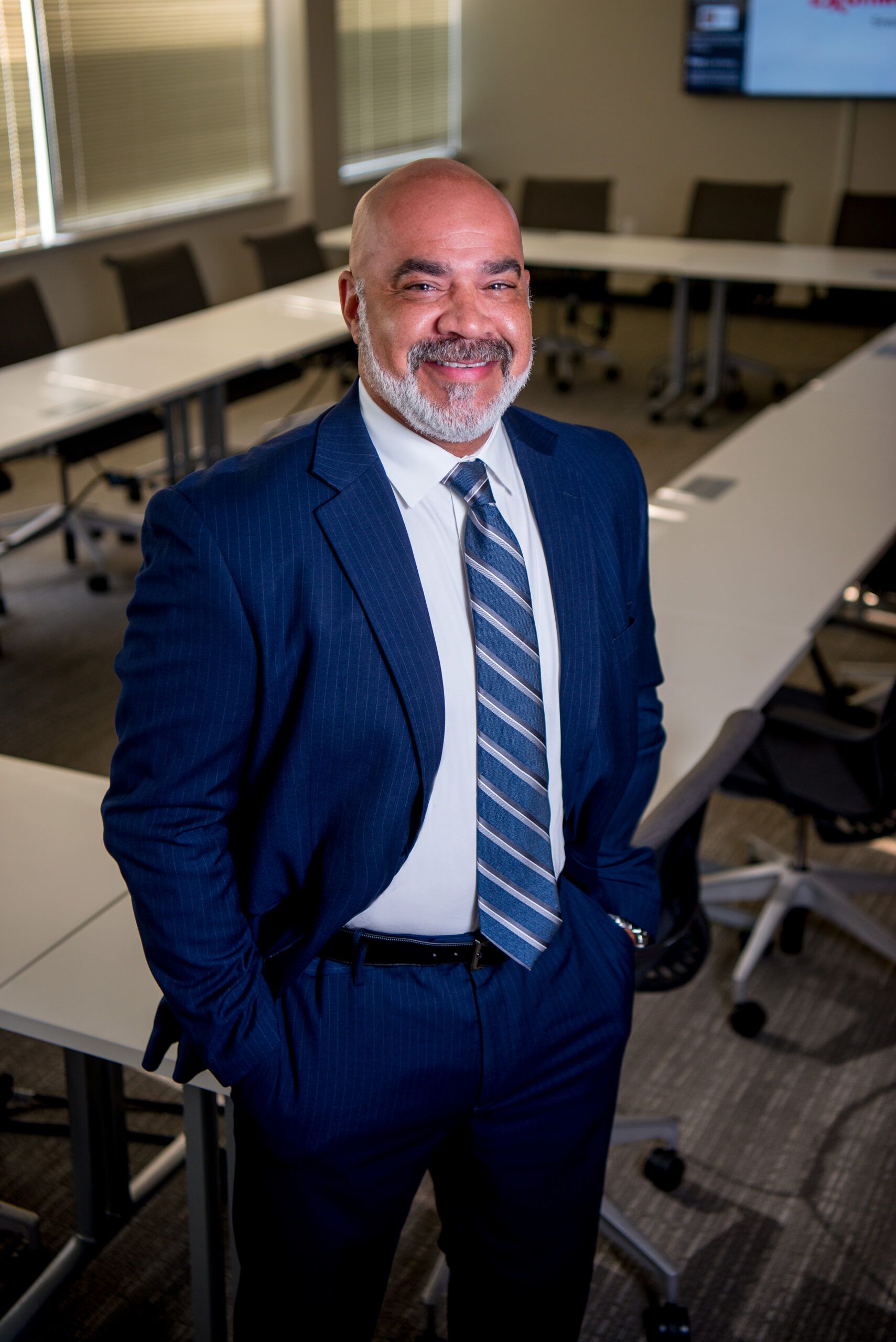
Ryan Kerrigan, site manager of the Baton Rouge Polymers North facility, says one of his passions is workforce development, so when he learned that one of the biggest roadblocks to employment was the expense of childcare, ExxonMobil spearheaded a Childhood Scholarship Program.
Through the program, ExxonMobil funds a family’s childcare for up to five years should a participant prove that they’re in school, have a need and are progressing toward graduation. The program has expanded significantly since its inception.
“It alleviates a long-term challenge that we have in the community—how do get people off government subsidies and give them that next rung in the ladder to take a step forward,” Kerrigan says. “That involves everyone—state and local government, the Greater Baton Rouge Industry Alliance, Capital Area United Way etc.—and aligns perfectly with ExxonMobil’s priorities.”
ExxonMobil was also a critical partner in the creation of the North Baton Rouge Industrial Training Initiative in 2012, a successful, tuition-free, workforce development program launched in partnership with Baton Rouge Community College and local industrial contractors.
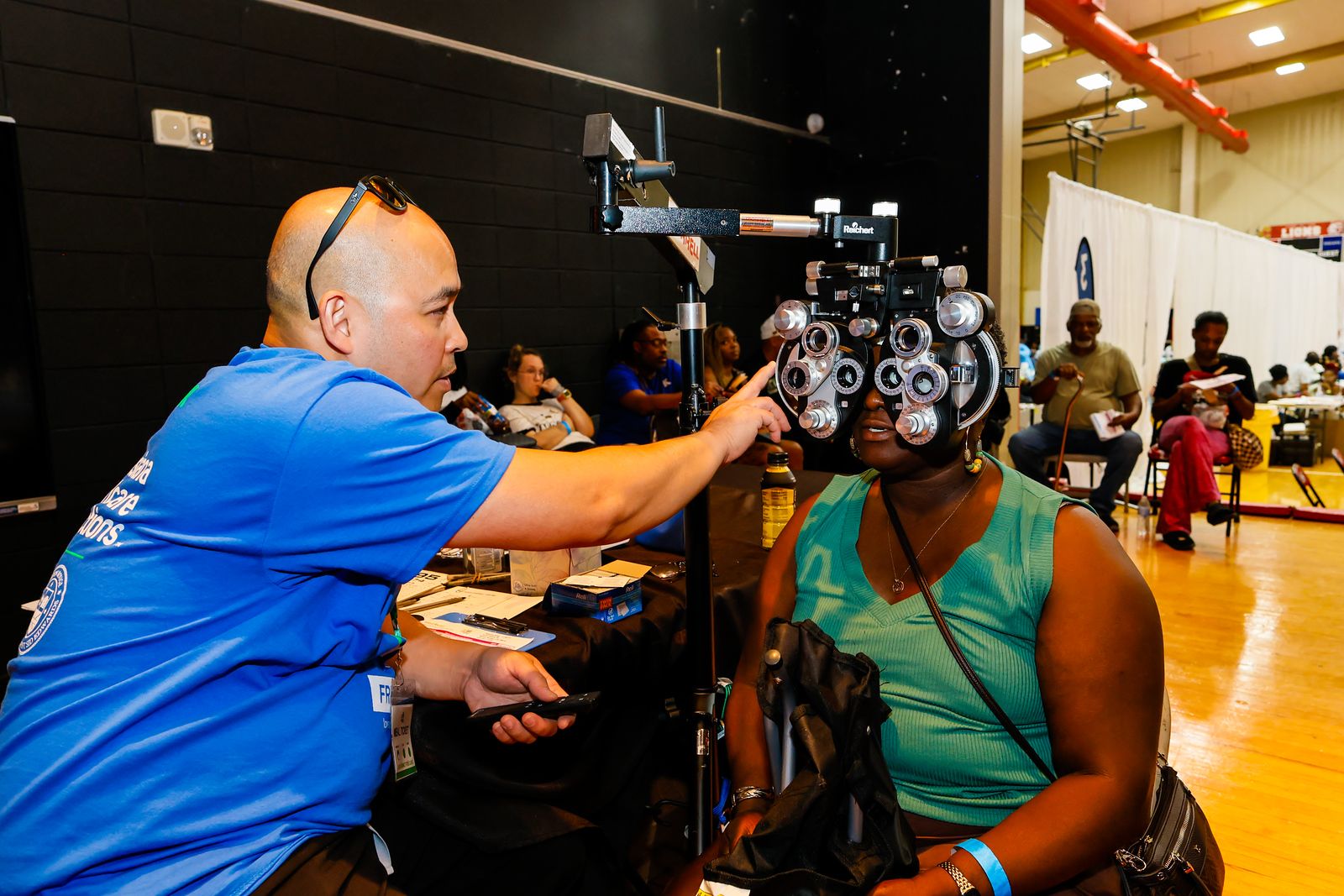
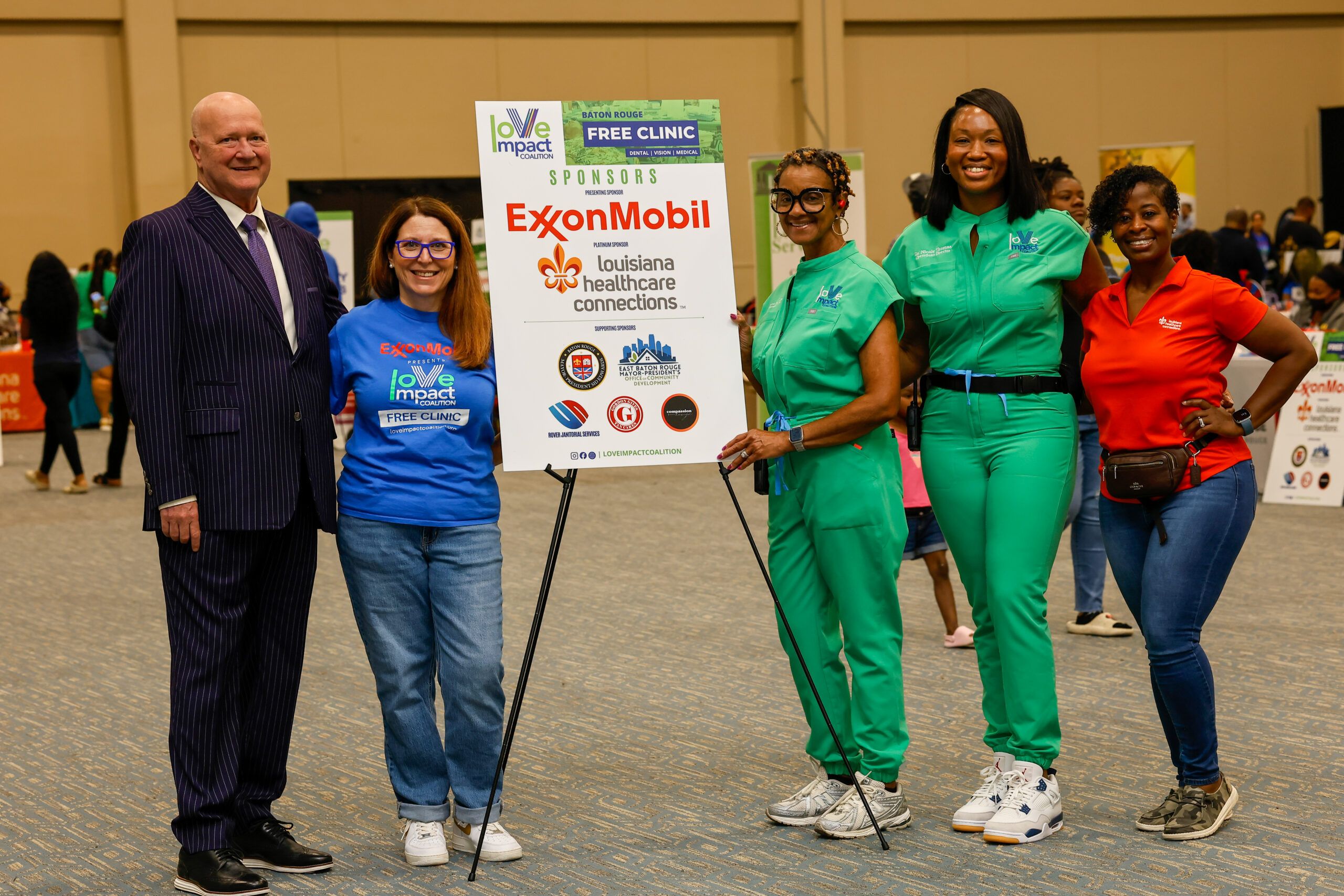
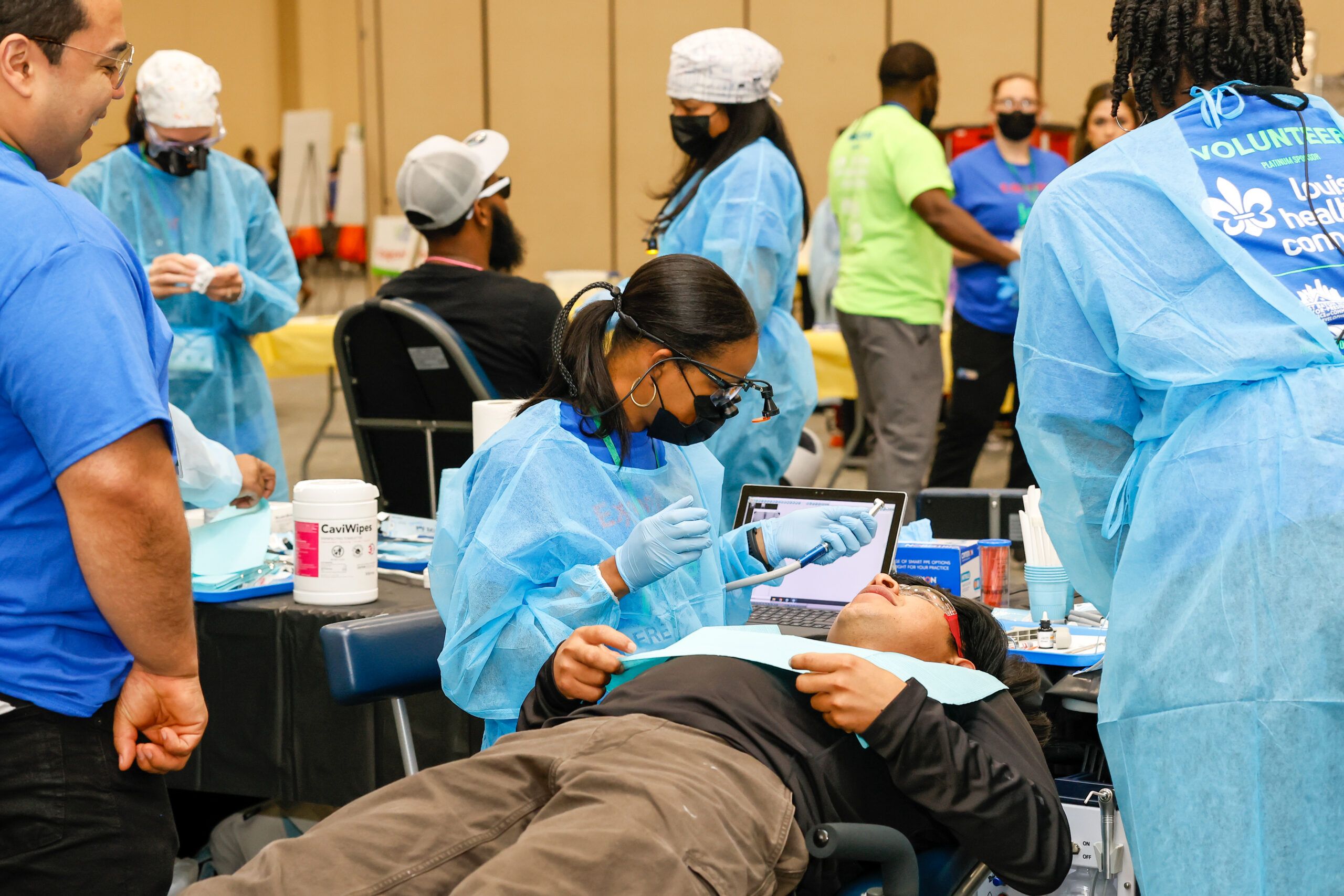
Perhaps most atypical has been ExxonMobil’s participation in the Love Impact Coalition, a 501(c)(3) nonprofit organization dedicated to providing free medical, dental and vision care to underserved communities. After learning of the coalition through a focus group, ExxonMobil became a premier sponsor in 2025 and 2026, and is already planning to sponsor the one-day health care clinic again in 2027.
On the day of the clinic, ExxonMobil employees volunteer to help and the company’s GOAL (Global Organization for the Advancement of Latinos) Employee Resource Group provides interpreters for non-English speaking residents. Some 700 to 800 citizens participated during the last clinic, held in August. “It’s not something that you think ExxonMobil would be doing in the health space,” Denicola says, “but it’s what our community needed and where we could step in and help.”
She asked State Rep. Vanessa LaFleur in Baton Rouge to assist with the effort. “I was in the hallway during the legislative session last year and Rory approached me about supporting the coalition in our budget priorities,” LaFleur says. “There are a couple of people that you can’t say ‘no’ to—Rory and Donna Collins-Lewis (executive director and founder of the coalition).”
LaFleur even participated in this year’s event and assisted in getting the word out. “I’m their ambassador and cheerleader,” she says. “If there’s a funding resource that’s out there that I can influence, I’m making the introductions. I’m letting them see what they do and what their impact is so that the buy-in is easier for those who want to support us financially.
“ExxonMobil understands that their role is not just to take from a community; it’s about giving back,” she adds. “They have the resources to do something like this, and they do it.”

Expanding rural reach
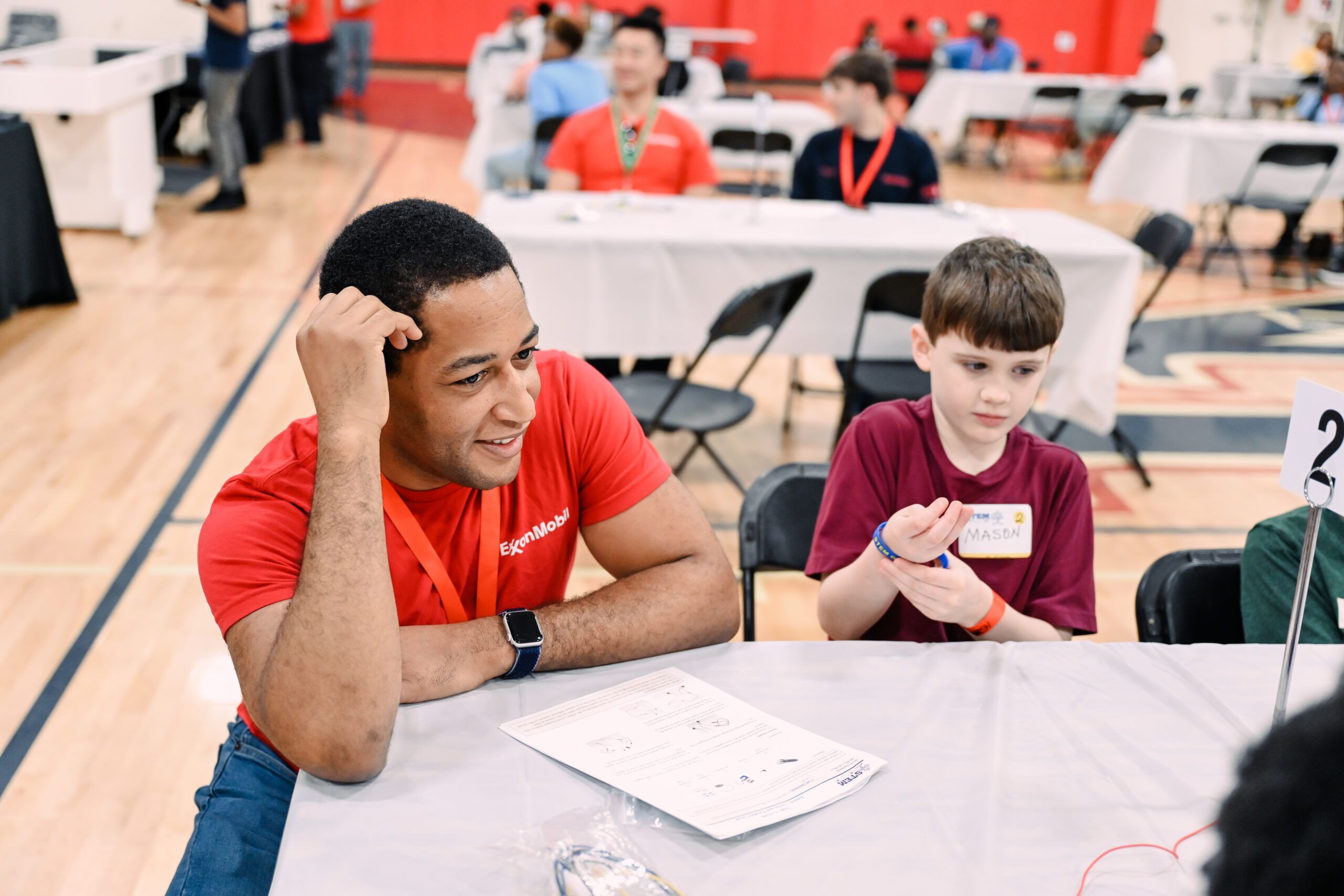
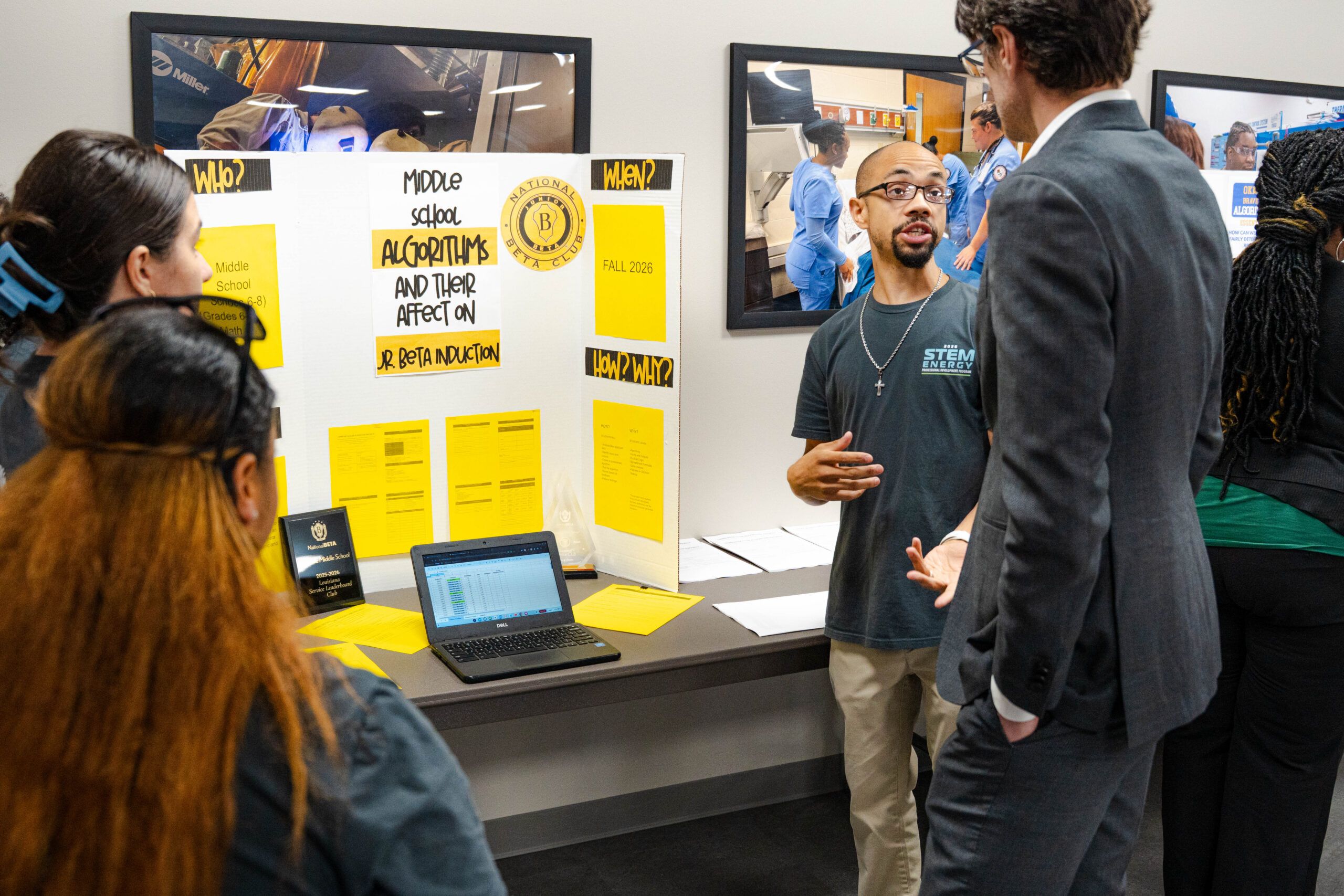
ExxonMobil’s workforce development push isn’t confined to Baton Rouge. Last year, the company launched a STEM workshop at SOWELA Technical Community College’s Oakdale campus for high school educators. Some 35 high school teachers participated in the program, held in conjunction with Rice University’s Tapia Center, a STEM educational outreach initiative.
The teachers, in turn, created lesson plans and activities that they could take back to their schools.
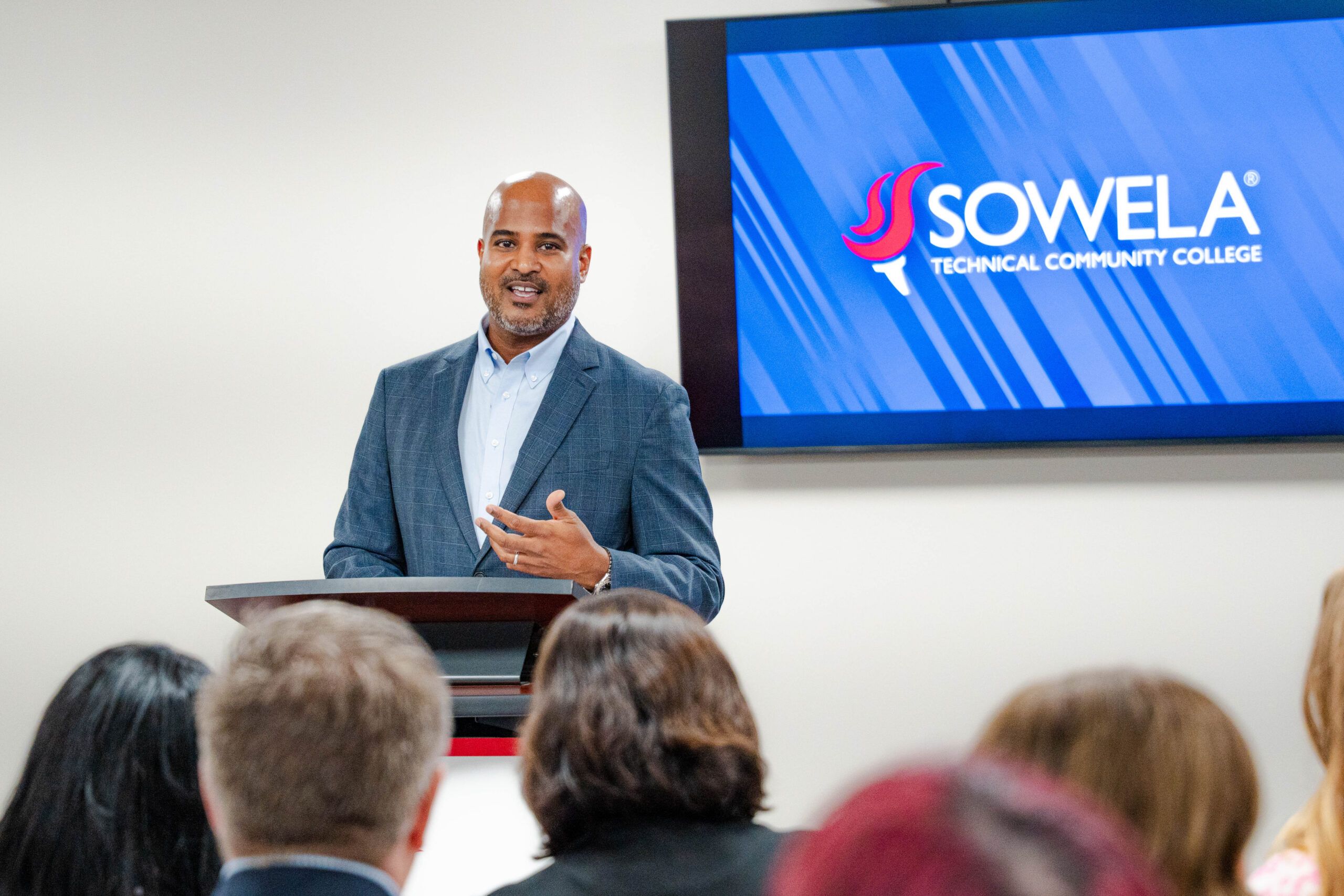
The following year, ExxonMobil provided funding for the renovation of the Oakdale campus to accommodate a new multi-purpose room. “It’s nice to see a company taking an interest in a small rural campus,” says Neil Aspinwall, chancellor of SOWELA’s main campus in Lake Charles. “Oakdale is the smallest of our four campuses, and it means a great deal for that community.”
Oakdale enrolls from 150 to 200 students in LPN, business, welding and industrial electrical and instrumentation curriculums. Under the leadership of campus director Magan Soileau, they also teach adult education and offer a correctional program where welding is taught to inmates. “ExxonMobil paid the first and second years for the STEM camp, including the teacher and equipment stipends,” Aspinwall says. “It was very successful, so we did it again this past year.”
He says SOWELA wouldn’t exist without the help of the industry it serves. The college’s enrollment grew 20 percent in 2025 due primarily to growth in the petrochemical and LNG markets. “The core of what we do is workforce development,” Aspinwall says, “and one of the reasons we’re so successful is because of our partnerships with the business and industry markets. It’s a tremendous asset and strategically important.”
ExxonMobil also participates in SOWELA’s Program Advisory Committee, comprised primarily of industry representatives who review curriculum and graduate performance, then make recommendations for modifications, changes or additions to the curriculum. “We train people and put them to work,” Aspinwall says. “That’s what we do, so if we don’t listen, we won’t be successful.”
Gone Viral
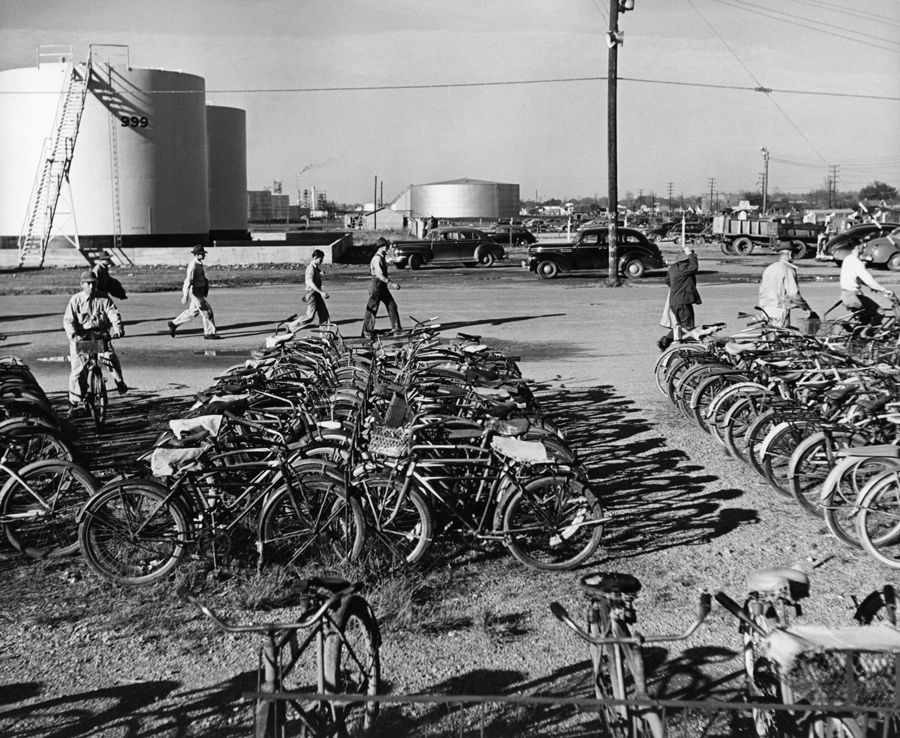
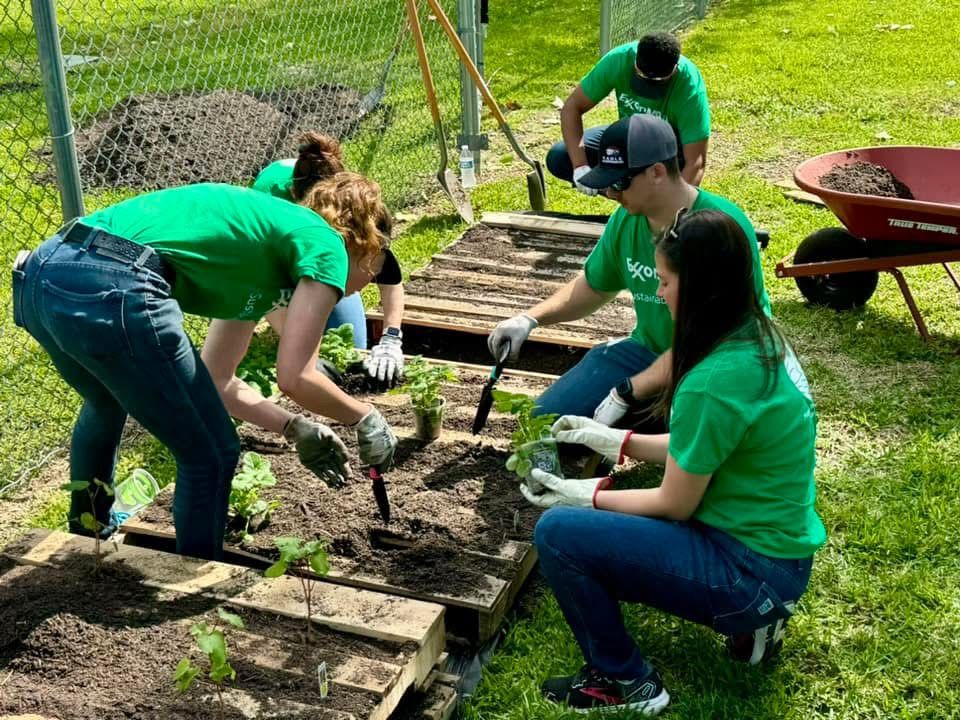
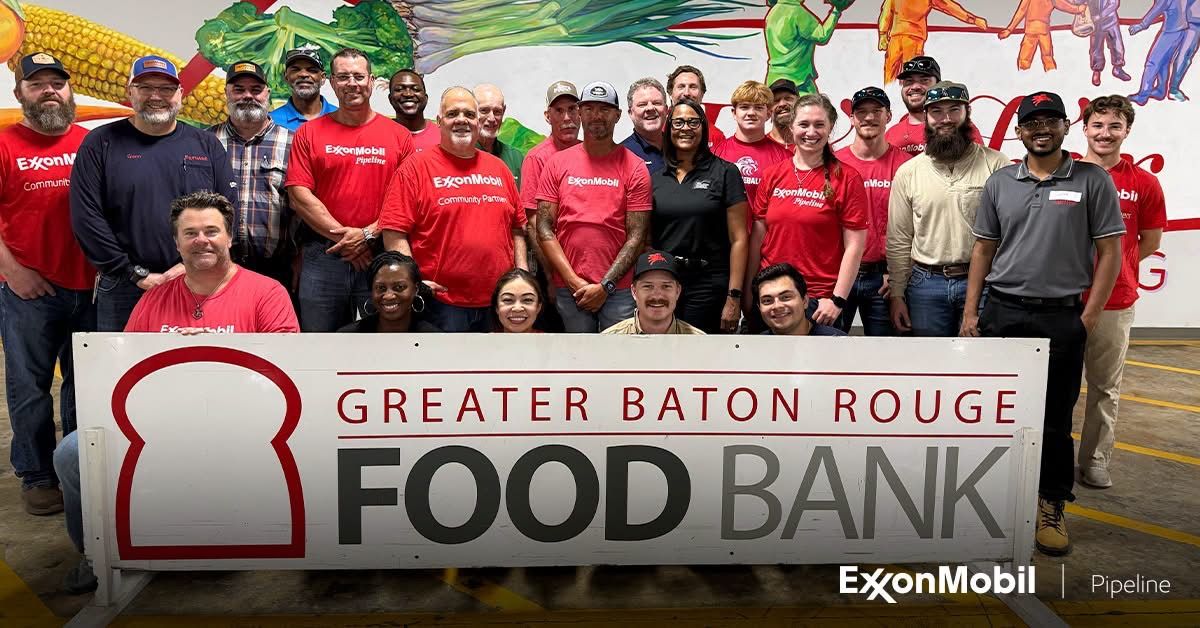
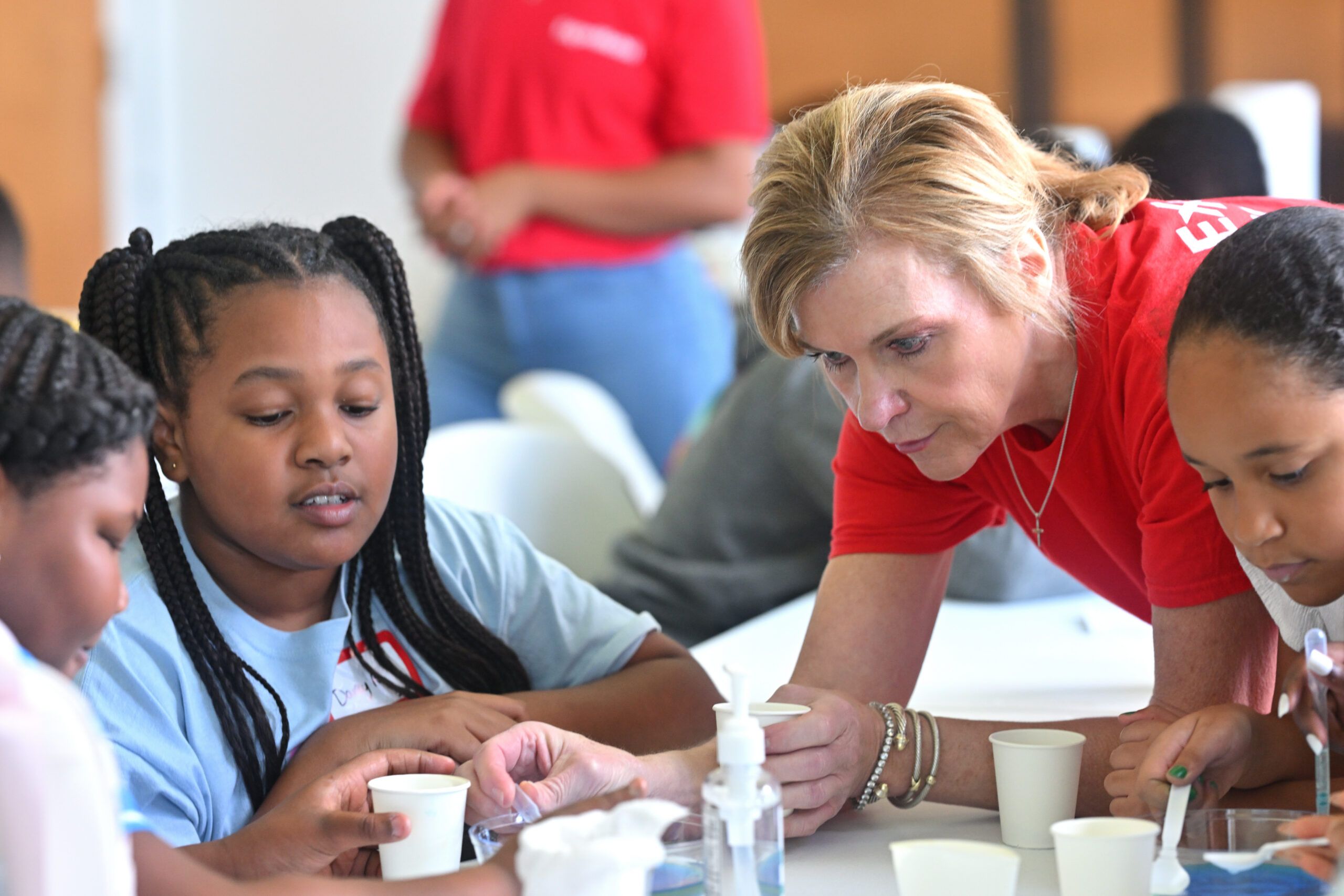
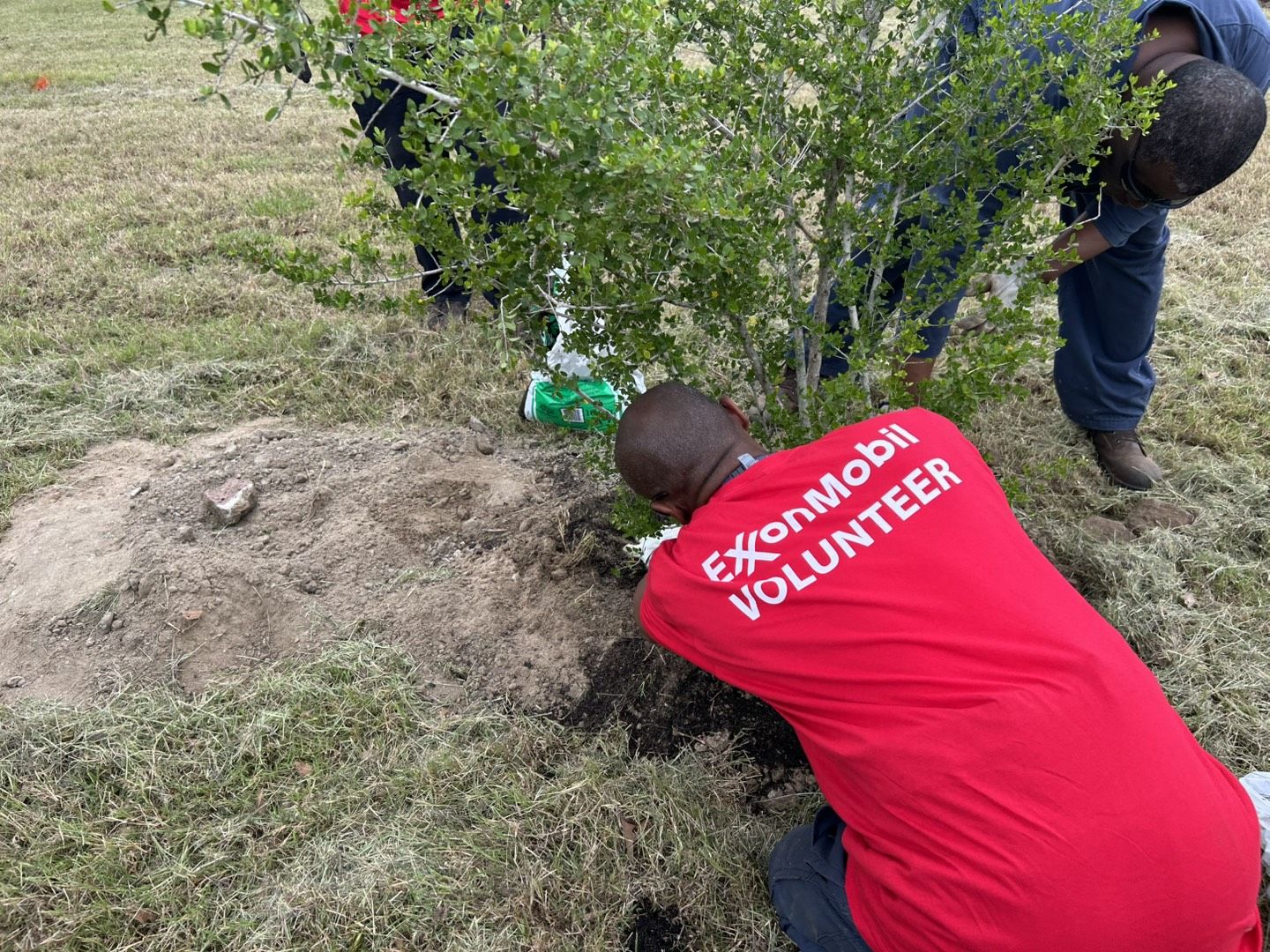
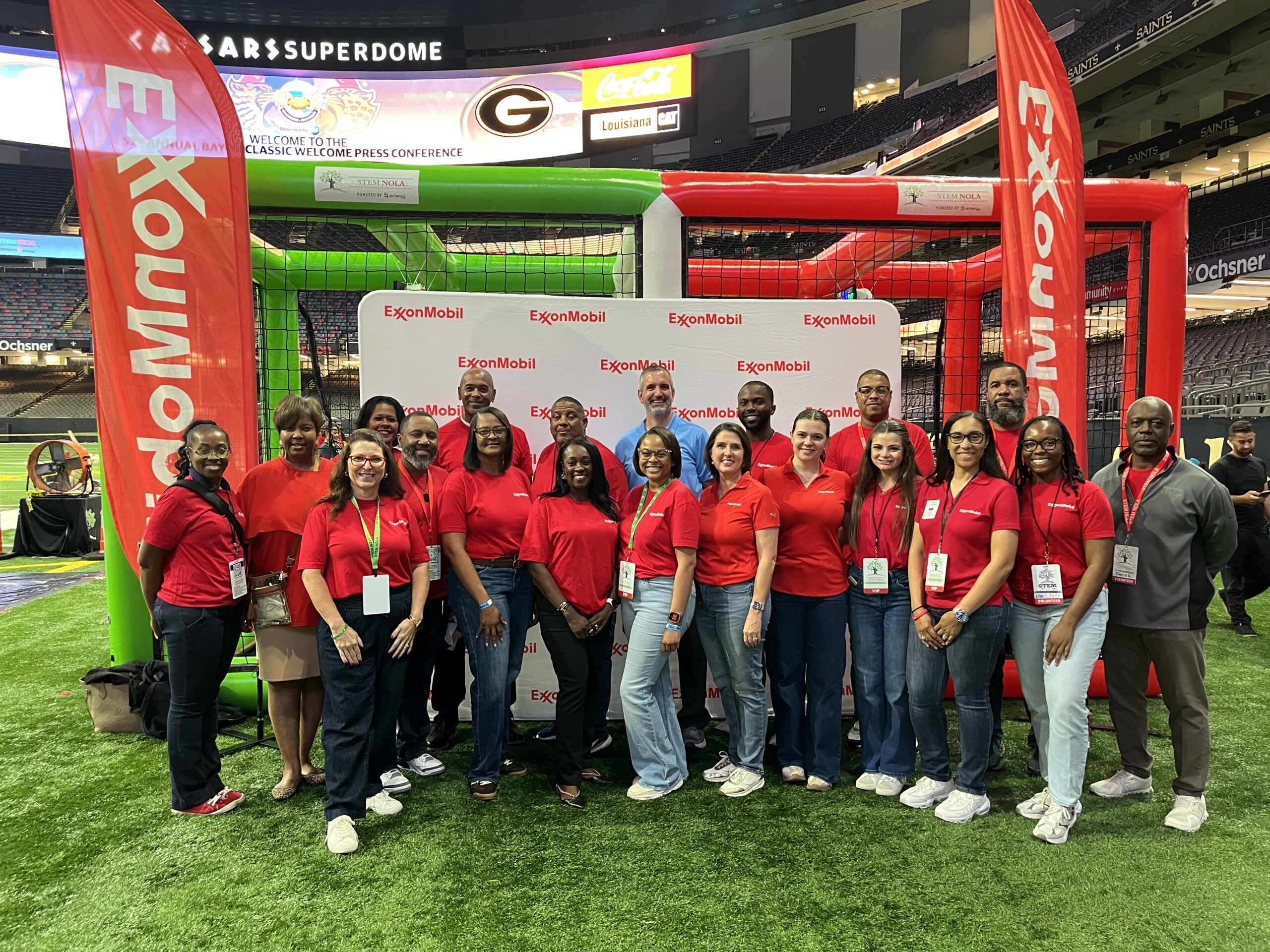
In a way, community engagement has gone viral among ExxonMobil’s 5,000 or so Baton Rouge area workers. “We have employees who want to do it all and we don’t say no,” Denicola says. “We encourage and celebrate that. We’ve been here 117 years, and we want to be here another 117, so making our community better is in everyone’s interest.”
For Kerrigan, it boils down to truly understanding what they’re providing to the community and finding ways to strengthen that relationship over time. “After all, our employees live here, too,” he says. “I’ll go to the grocery store after work in my work FRPs and it’s no big deal. We’re all an important and integral part of the community, and we want to keep it that way.”