KATHY TRAHAN
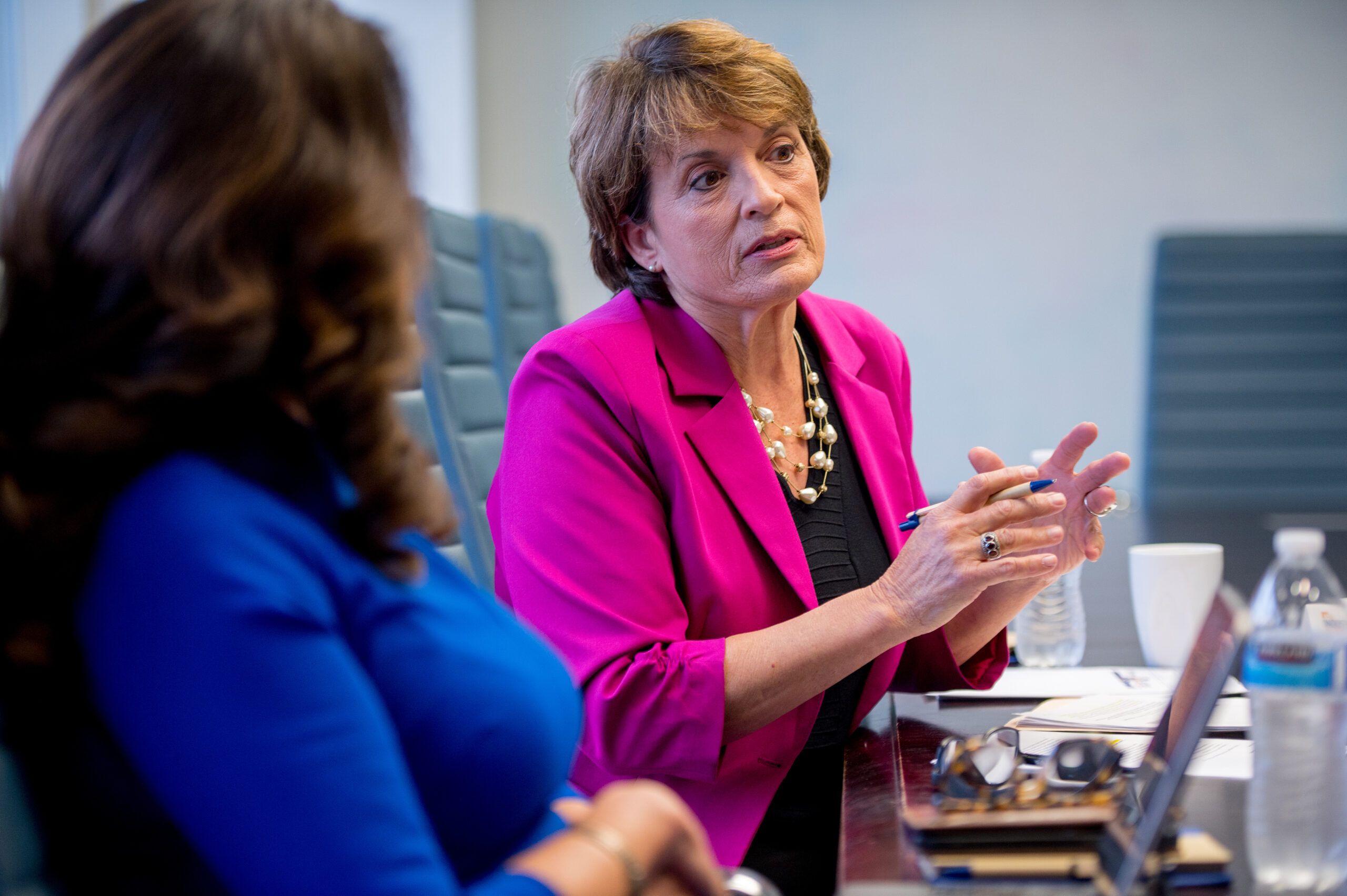
President and CEO, Alliance Safety Council
“Workforce development is a continuum; it’s not a siloed process. Communication around available jobs has been too generalized. We say we need a workforce, but no one is focusing on defining how many skilled workers are needed to fill these jobs. For every project, depending on the type, there’s a ratio of how many craftspeople and laborers are required. Because of the population distribution, we have a shortage of workers in the Gen X segment. It takes 18 years to build a skilled worker. It’s not going to happen overnight. So, we must ask: “How many workers do we need, with what prescribed skills, in order to determine the steps we need to take to get them ready in time for the upcoming jobs?” This requires significant pre-planning and focused coordination between the state, the education system, and industry. The surge in LNG and data center projects is increasing the demand for skilled labor. We are not fully prepared for this level of demand. With tools like AI, we can now move much faster and can identify the needs more precisely instead of funding broad programs. We need to be more intentional — both in how we train people and incentivize workers to enter and stay on those paths. Our workforce infrastructure is going to make or break us in the next couple of decades.”
CONNIE FABRE
President and CEO, Greater Baton Rouge Industry Alliance

“Workforce development, especially skilled craft workforce development, is the cornerstone of what GBRIA was built on. And I’ve had the fortunate position to be here for over 20 years, and it’s been very interesting to watch how changes have taken place. When I started, there was mostly just Associated Builders and Contractors providing skilled craft training at night. Now schools are required to offer career and technical education, and students are required to choose their career pathway by the ninth grade. Even the Department of Education is requiring students to complete an internship in high school for their final graduation. So, the focus on career development has completely shifted over this time. One of the current projects that we’re working on with the Louisiana Workforce Commission is to get more Louisiana citizens to be able to work in industry, including offering training for those on SNAP and ENT benefits. The state has made huge investments over the last 15 years in the community and technical college system, and they’ve been a key player and done a great job of responding and putting in new training programs.”
DAVID CRESSON
President and CEO, Louisiana Chemistry Association and Louisiana Chemistry Industrial Alliance
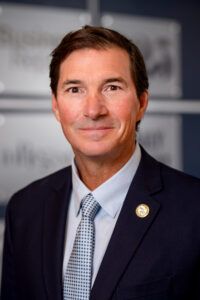 DAVID CRESSON
“Every one of our member companies talks about workforce, whether they’ve been here 50 years or they’re in the construction phase. It’s one of the top issues they all deal with because as we have all this investment come into the state and all these new jobs, are we going to be able to fill the jobs that are here already? There does seem to be a real focus on coordination under Susie’s leadership at LA Works and in coordination with the governor. But if we wake up in 10 years and see all these hundred billion dollars worth of announcements and those jobs don’t go to local people in the communities where these companies are doing business, then we failed. We’ve got to break down the barriers to training that people face. Is the training too expensive? Do they have young children? Do they have transportation issues? Once we have them trained, can we then keep them here in Louisiana? Or are they going to look to other states that maybe have better education systems, better tax structure, lower insurance? We’ve got to get them trained and keep them here. It’s a big picture thing.”
MELODY LOCKWOOD
President and CEO, Livingston Economic Development Council

It’s not unique to Louisiana. The entire country faces workforce challenges. The good news is that we see strong collaboration between industry, government, and our education partners – both higher ed and our public school system. They are working together to align training with the actual skills employers need. Livingston Parish has one of the highest participation rates in the state for the apprenticeship/internship program. We also have an opportunity with LSU’s enrollment—37% are out-of-state students. If we can find a way to keep those students here, that is a tremendous opportunity. A lot of the companies have said, if you can get them to us, we will train them on how we do things; we just need them to come in the door. We want to show our students and their parents that modern manufacturing and industrial careers are high-paying, high-tech, and provide a stable future. Where we need urgency is scale—training enough people quickly enough to meet the demand from new and expanding projects.
About the Roundtable
What are the drivers of the multi-billion-dollar expansion of the state’s industrial sector? What new challenges is success bringing? What steps should our leaders take to sustain the momentum and maximize its impact? Leaders of industry, workforce and economic development gathered in the Melara Enterprises Executive Conference Room to answer those and other questions. Their consensus: Industry is helping to move Louisiana forward. But the hard work is just beginning. Read more excerpts of their in-depth conversation.