DAVID CRESSON
President and CEO, Louisiana Chemistry Association and Louisiana Chemistry Industrial Alliance
“Oil & gas and petrochemical companies provide tens of thousands of direct jobs and a quarter million contractor, supplier and related jobs. We pay 20% of the state’s wages and make up about 25% of the state’s GDP. We pay a large percentage of local taxes in parishes where we operate, in some cases as much as 90%. While we do this, we operate cleaner and safer than we ever have, and provide untold amounts of support to the communities where we operate. At the same time, LCA’s recently released website, louisianahealthfacts.com, shows that health outcomes in Louisiana’s industrial corridor are actually better than the rest of the state, including cancer incidents, cancer mortality, life expectancy and more. Yet we still deal with the false narrative regarding these health outcomes. As a state, we must stand up against the misinformation that has long plagued our industries and our Louisiana workers. We must let those responsible for that information know that we reject their false narrative, and won’t allow it to sidetrack our way of life. LCA has been around the state educating officials and local citizens on this information, and will continue to do so. In doing so, we have had the opportunity to build relationships in these local communities. We have committed to be a resource to locals where our member companies operate, and we plan to double down on that commitment in coming years. It’s been a rewarding effort.
MELODY LOCKWOOD
President and CEO, Livingston Economic Development Council
“A major challenge is perception—both the perception of Louisiana externally and the perception of industry within our own communities. We’ve worked for years to change how Louisiana is viewed, but if you don’t give people a new story to tell, they’ll keep repeating the old one. Even as the state has grown and evolved, we haven’t always done a good job of telling that story. Social media has made that more difficult. Misinformation and misconceptions can spread quickly, and they don’t have to be based in fact—they just have to generate a reaction. Meanwhile, industry has to respond with accurate, science-based information, often from a defensive position. That’s a tough place to be, especially in public settings where opposition voices can dominate the conversation. The opportunity is education. We’ve been hosting informational sessions to help people understand complex issues—whether it’s state programs or topics like carbon management—by focusing on the science and giving people the information they need to form their own opinions. Because many people aren’t opposed—they just don’t understand. And if we can better inform them, we can start to shift both perception and the broader conversation around industry in Louisiana.”
KATHY TRAHAN
President and CEO, Alliance Safety Council
“The biggest challenge for our members right now is the disparity among the standard entry requirements to get onto worksites. The lack of standardization makes getting onto the sites painstaking. To create internal efficiencies, some large industrial employers are attempting to move toward a prescribed vendor across all sites nationwide. By doing this, they are creating a domino effect for the contractor companies that work across the Gulf Coast. Because the industrial contractor’s workforce travels across the country, they are sensitive to having to pay for redundant services and, therefore, start to migrate to the vendor that meets most of the facilities’ requirements because it’s “once and done” across multiple facilities. This has created tendencies leaning toward a limited competitive environment, which is not the intent of these larger employers. It also increases costs, reduces customer service, and creates even more delays. Contractors are waiting in line, and in some cases, they’re losing jobs because they can’t get through the “preferred” vendor process fast enough. What these companies don’t often realize is that with today’s technology, especially APIs, you can connect with multiple providers and still meet the same requirements. In fact, allowing multiple providers fosters a competitive environment that drives better pricing and higher levels of customer service. When vendors operate on a standardized playing field, success is determined by performance and value — not by the size of their sales force or their entertainment budget. Giving vendors standards to comply with and contractors options that meet those standards improves service and removes unnecessary friction from the process.”
CONNIE FABRE
President and CEO, Greater Baton Rouge Industry Alliance
“A major challenge—and opportunity—is community support for industry. There have always been activists, but what’s changed in recent years is the level of funding and organization behind those efforts. We’re seeing large-scale, well-funded campaigns that bring people from outside communities into local hearings, generate thousands of letters and create a very visible opposition presence. That doesn’t always reflect the views of local residents, but it does influence outcomes. We’ve seen projects delayed or derailed even after significant investment because of that pressure. That creates real uncertainty for companies looking to invest in Louisiana. The opportunity is for industry and its workforce to become more engaged. Elected officials are asking for more visible support from the people who actually live and work in these communities. That doesn’t necessarily mean speaking at hearings—it can be as simple as showing up, being present and demonstrating that there is community support for these projects. At the end of the day, it’s about people understanding that these decisions affect their jobs, their communities and their future—and getting involved accordingly.”
About the Roundtable
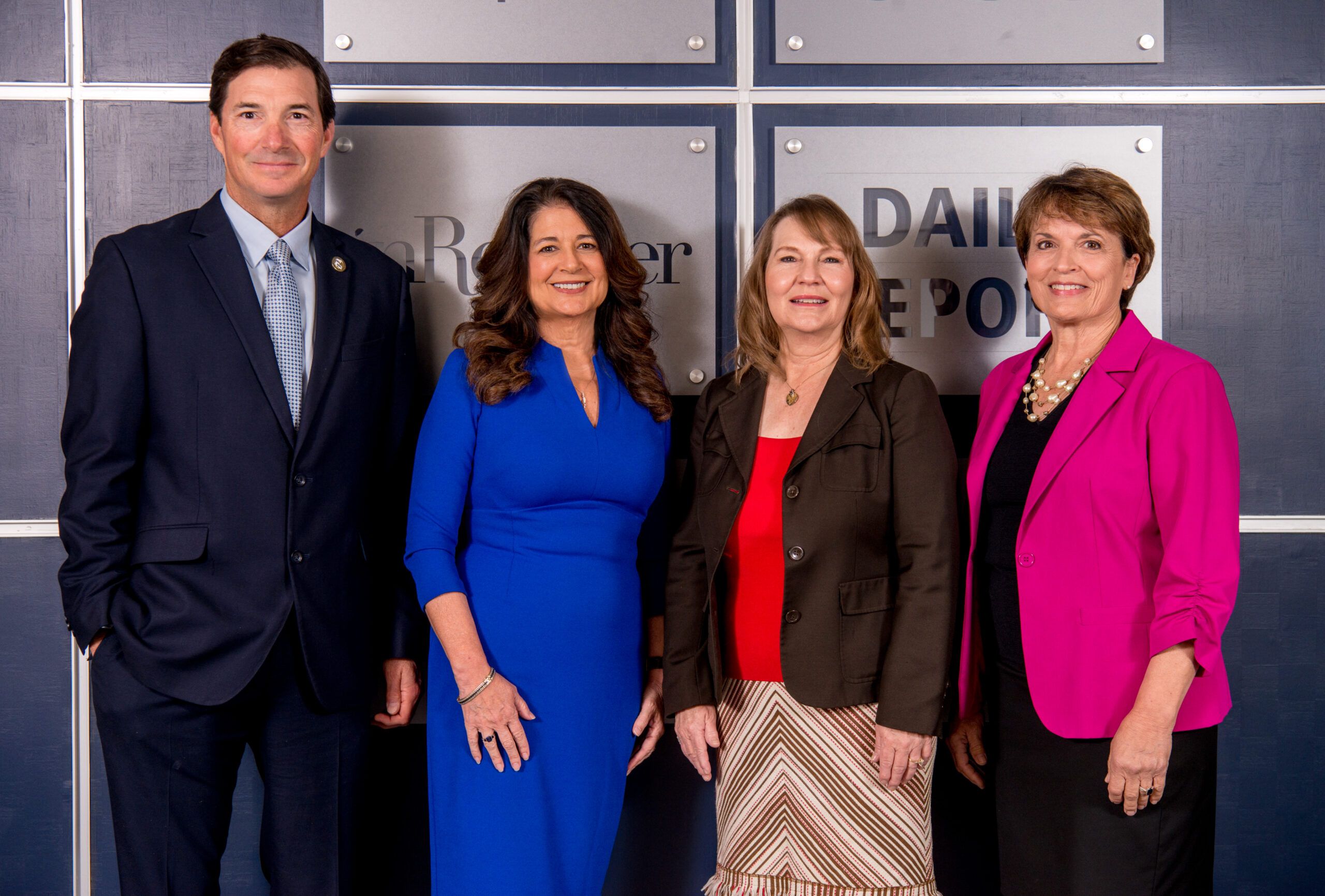
What are the drivers of the multi-billion-dollar expansion of the state’s industrial sector? What new challenges is success bringing? What steps should our leaders take to sustain the momentum and maximize its impact? Leaders of industry, workforce and economic development gathered in the Melara Enterprises Executive Conference Room to answer those and other questions. Their consensus: Industry is helping to move Louisiana forward. But the hard work is just beginning. Read more excerpts of their in-depth conversation.