
The rapid expansion of U.S. data centers to support artificial intelligence is creating a new climate challenge—one that begins long before servers are powered on, Bloomberg writes.
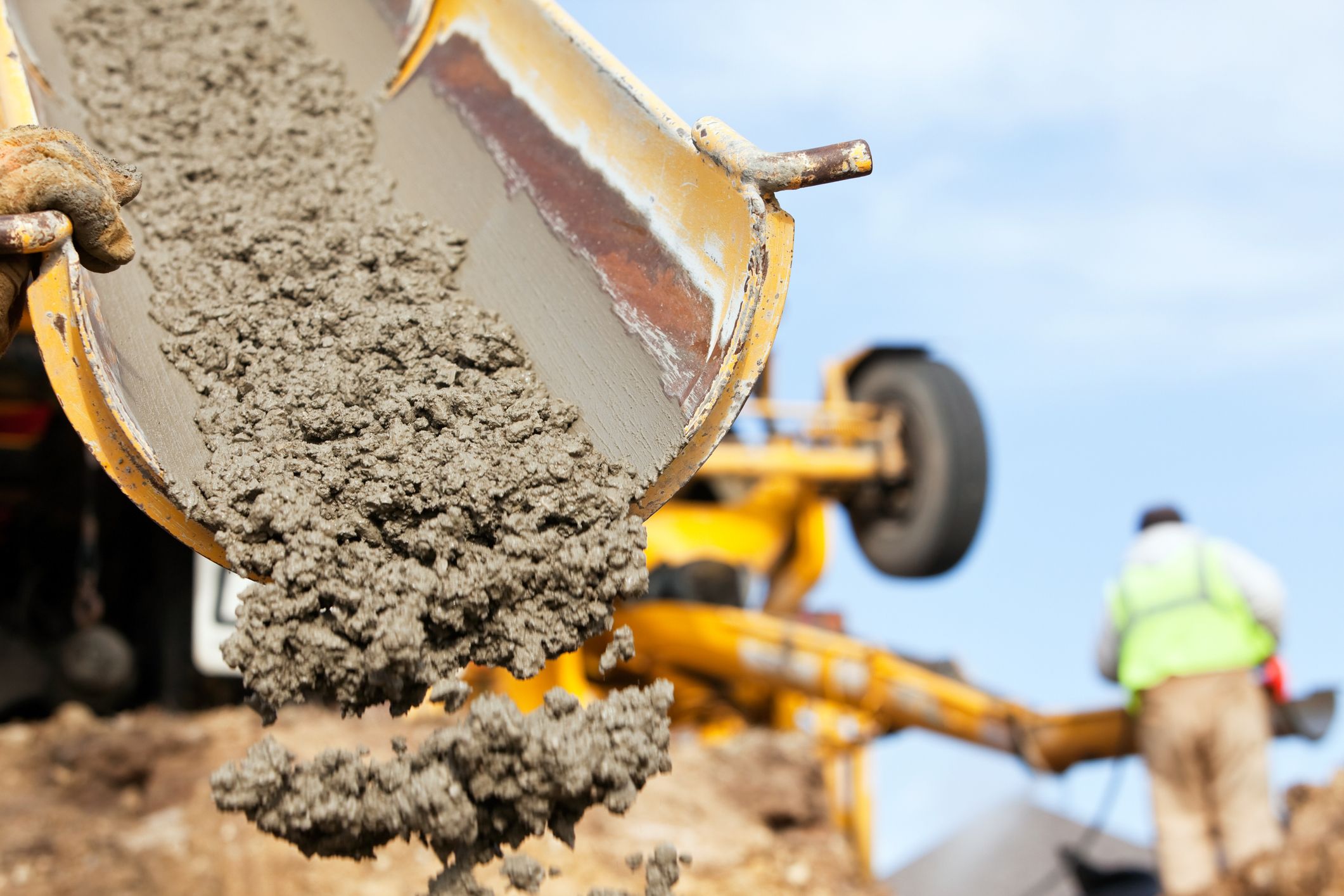
The massive facilities require enormous amounts of concrete, a carbon-intensive material that could generate nearly 2 million metric tons of CO2 through 2030 if built with traditional methods, according to environmental nonprofit RMI. That’s roughly equivalent to the annual emissions of more than 400,000 gas-powered cars.
As construction accelerates nationwide, major tech companies are emerging as key buyers of low-carbon concrete, using their scale to help jump-start a greener cement industry.
Microsoft, Amazon, Meta and others have signed offtake agreements and joined coalitions designed to send strong demand signals to producers of low-emissions building materials.
But policy shifts and funding cuts are slowing momentum, putting pressure on startups and delaying projects. With aggressive climate targets on the line, tech giants now face a critical test: whether green concrete can scale fast enough to keep AI growth from locking in decades of higher embodied carbon.