Sponsored by Delta Machine & Ironworks
Selecting a fabrication partner is about more than comparing bids. In today’s industrial environment, project schedules are tight, resources are limited and delays can carry significant costs. According to the team at Delta Machine & Ironworks, the best way to evaluate a potential partner is to ask a few critical questions before awarding a project.
The first question is simple: Can they deliver on their promises?
Too often, Delta’s team sees companies commit to aggressive delivery schedules or submit unrealistically low bids, only to make up the difference later through change orders, fees or missed deadlines. The company encourages project owners to look beyond the initial proposal and review how vendors have actually performed on past projects.
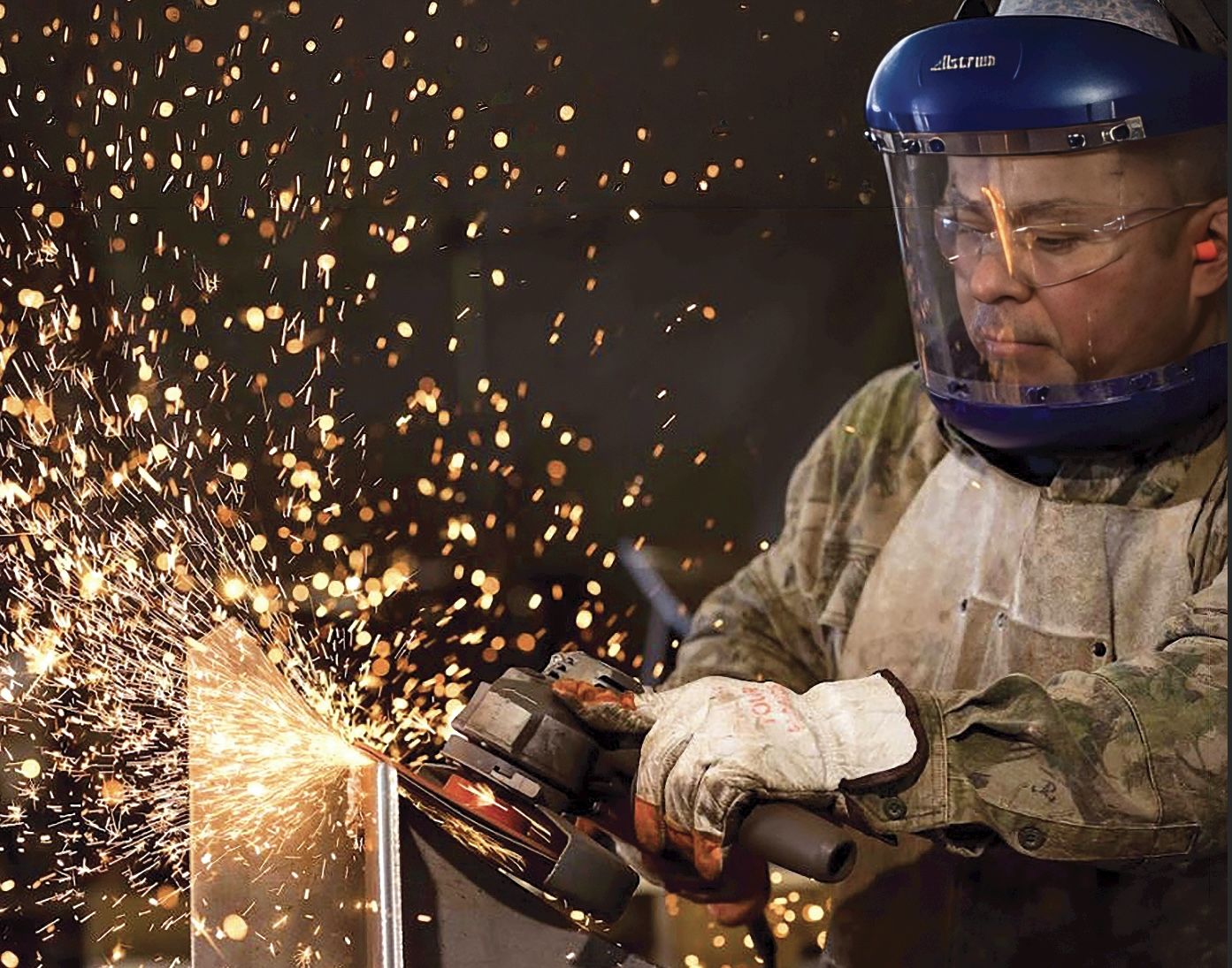
At Delta, transparency and accountability are central to every job. Senior leadership is directly involved in assigning resources and overseeing project execution to ensure delivery commitments are realistic and achievable. The company’s hands-on approach extends all the way to ownership, with President Cody Odom regularly working alongside employees in the fabrication shop and maintaining communication with both customers and staff.
Another important question is: What visibility will I have into my project’s progress?
Communication can make the difference between confidence and uncertainty during a project. Delta has invested heavily in systems that provide real-time visibility throughout the fabrication process. From material processing and welding to galvanizing, quality control and packaging, each support is tracked through key milestones on the shop floor.
Customers can receive updates as frequently as they need, whether weekly, daily or in real time. The company also welcomes site visits and maintains direct lines of communication with customers through calls, texts, photos and project updates.
Industrial teams should also ask how a fabricator responds when priorities shift.
Project schedules rarely remain static. Unexpected shutdowns, field discoveries, supplier delays and changing priorities can all impact delivery requirements. Delta has built its operations around flexibility, allowing urgent items to move to the front of the production queue when needed.
The company’s philosophy is straightforward: work in the order that best serves the customer. Maintaining open communication helps Delta understand changing needs and respond quickly when schedules evolve.
Of course, speed means little without quality. That leads to another important question: How do you maintain quality while meeting deadlines?
While industry standards provide a baseline for quality, Delta believes quality must remain a priority regardless of schedule pressures. Every support is inspected before leaving the facility, and the company emphasizes doing the job correctly the first time. When issues do arise, the team focuses on responding quickly and making corrections without delay.
Finally, project owners should ask: What investments are you making for the future?
For Delta, the answer begins with people. The company continues to invest in attracting and retaining skilled craftsmen, recognizing that experienced employees remain its greatest competitive advantage. Beyond workforce development, Delta regularly reinvests in technology, equipment and facilities designed to improve lead times, accuracy and customer service.
In an industry where many products can appear similar on paper, Delta believes the true difference lies in execution. Reliability, transparency, flexibility, quality and continuous investment are what separate a vendor from a trusted long-term partner.
Learn more at teamdeltausa.com.