
Sponsored by Bengal Transportation
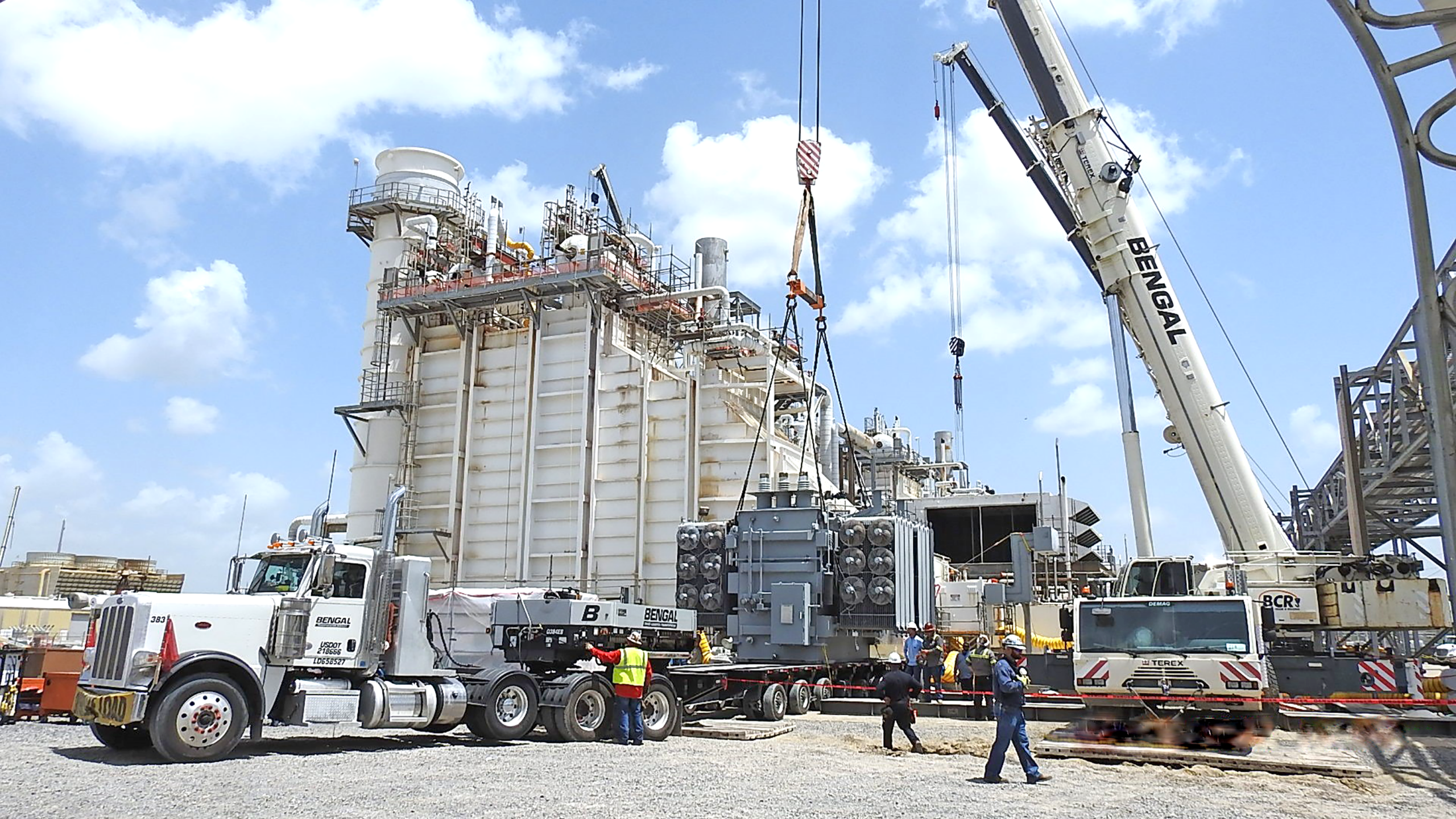
In complex industrial projects, success is rarely determined by a single lift, haul or milestone. Instead, it hinges on how well every moving part from transportation, lifting, permitting and on-site coordination comes together. Increasingly, project owners are discovering that the biggest risks don’t stem from execution itself, but from the gaps between it.
That reality is becoming even more pronounced as fast-growing project types – such as large-scale data center developments – place greater demands on precision, sequencing and speed to market. In these environments, even minor coordination gaps can have outsized impacts on timelines and costs.
Bengal has built its reputation by identifying where those gaps occur and closing them through a fully integrated, turnkey approach. Rather than treating logistics, crane operations and field coordination as separate scopes, the company aligns them under a single, unified plan, bringing clarity and accountability to projects that might otherwise stall under more loosely coordinated oversight.
Where projects commonly break down
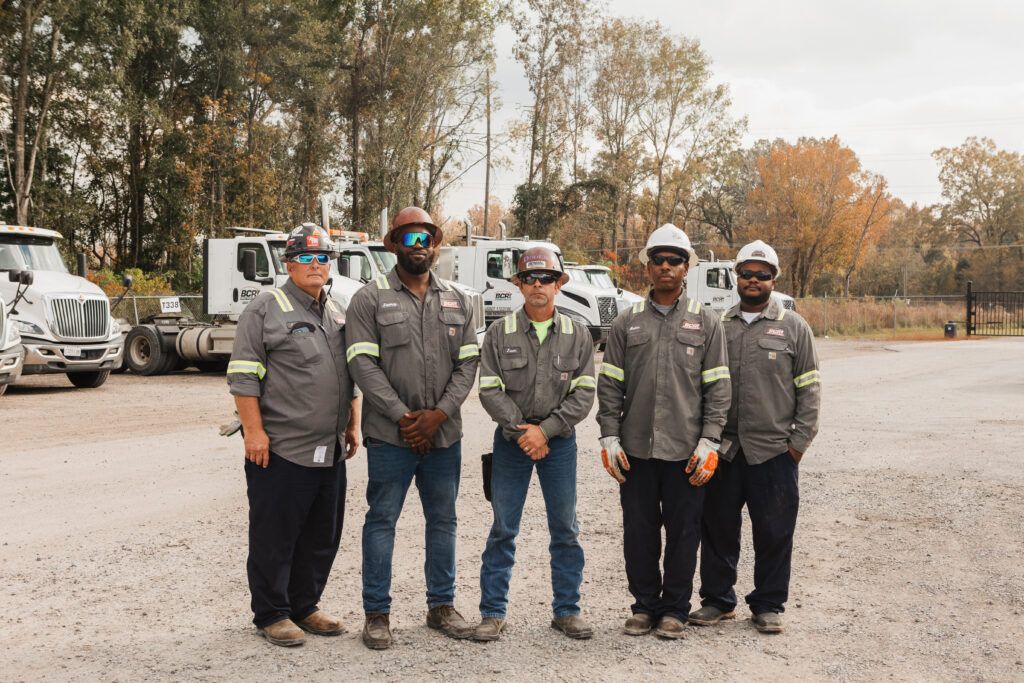
One of the most common breakdowns in the field is fragmented planning. Transportation providers, crane teams and site crews often work from separate timelines, each optimized for their own scope but not necessarily aligned with the broader sequence of work. The result is a schedule that looks solid on paper but falters in real-world execution. Bengal addresses this by developing a single, comprehensive project plan that reflects how each phase interacts, ensuring that timing and sequencing are grounded in operational reality.
Permitting and compliance present another frequent challenge. Department of Transportation requirements, municipal regulations and escort coordination are often treated as administrative steps rather than integral components of project planning. When these elements are introduced too late, they can disrupt timelines and create costly delays. Bengal integrates permitting and compliance into the earliest stages of planning, allowing for more accurate scheduling and fewer last-minute adjustments.
Even when transportation runs smoothly, projects can still encounter setbacks at the jobsite. A route may be technically feasible, but if staging areas aren’t prepared, access points are limited or site sequencing isn’t aligned, progress can quickly stall. Bengal’s approach bridges the disconnect between route planning and jobsite readiness, ensuring that what works on the road translates seamlessly to conditions in the field.
Communication is another area where projects often lose momentum. With multiple vendors involved, updates can lag and decisions can be delayed when conditions change. Bengal streamlines this process by centralizing coordination, enabling faster response times and more informed decision-making throughout execution.
Perhaps most importantly, the company eliminates the ambiguity that comes with having multiple points of responsibility. When issues arise on traditional projects, delays are often traced back not to a failure in execution, but to a breakdown in coordination. By serving as a single point of accountability, Bengal provides clients with greater visibility and control from start to finish.
A fully integrated approach
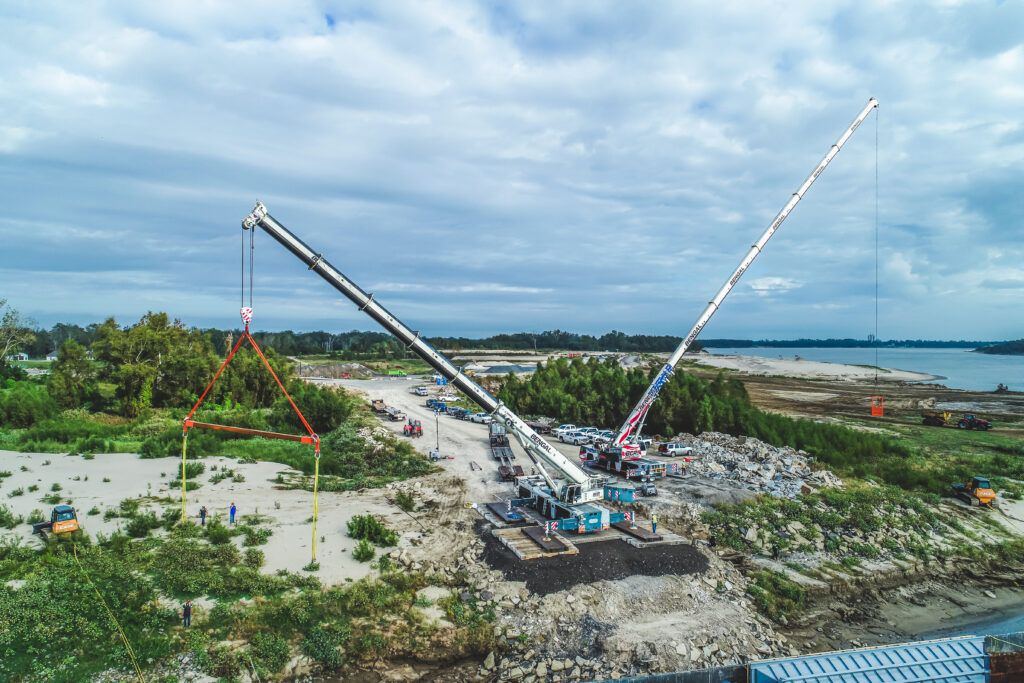
By bringing logistics planning, transportation execution, crane operations and field coordination under one roof, Bengal delivers a more predictable project experience defined by alignment rather than uncertainty.
In an industry where timing, safety and efficiency are critical, that level of integration is quickly becoming not just an advantage, but an expectation. Learn more at bengaltransport.com.