Sponsored by Delta Machine & Ironworks
Over the past 18 months, Delta Machine & Ironworks has quietly executed a bold investment strategy totaling $6.2 million, reshaping its capabilities in corrosion protection, office infrastructure, fabrication efficiency and logistics. The common thread: A relentless focus on reliability and speed for its industrial clients.
A major share of that spending has gone into Lift-Off Pipe Supports, a non-metallic, corrosion-prevention solution that Delta acquired after years of depending on competitors for similar products. For Delta, which historically manufactured only metal products, owning a non-metallic line was both a strategic hedge and a competitive necessity.
“We have long wanted a non-metallic, corrosion-prevention solution to provide as part of our product offering, something that we didn’t have to be dependent on other people for,” says Heidi Holmes, who has helped lead the initiative. “Every time we had to depend on competitors, that’s just a bad scenario … We wanted something that could be competitive in that space, and this was a great opportunity.”
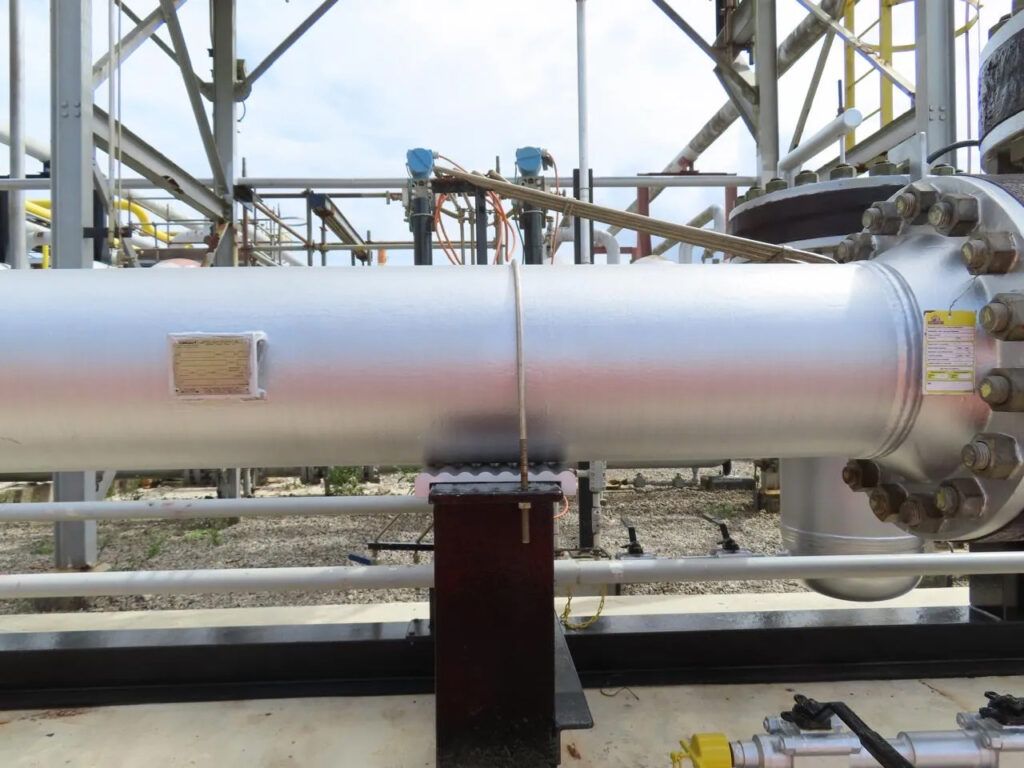
To make the Lift-Off product truly viable, Delta also invested heavily in inventory and additional molds, ensuring that customers don’t face long lead times. In an industry where weeks-long waits are common, Holmes is clear about the company’s ambition: They want to ship when others can’t.
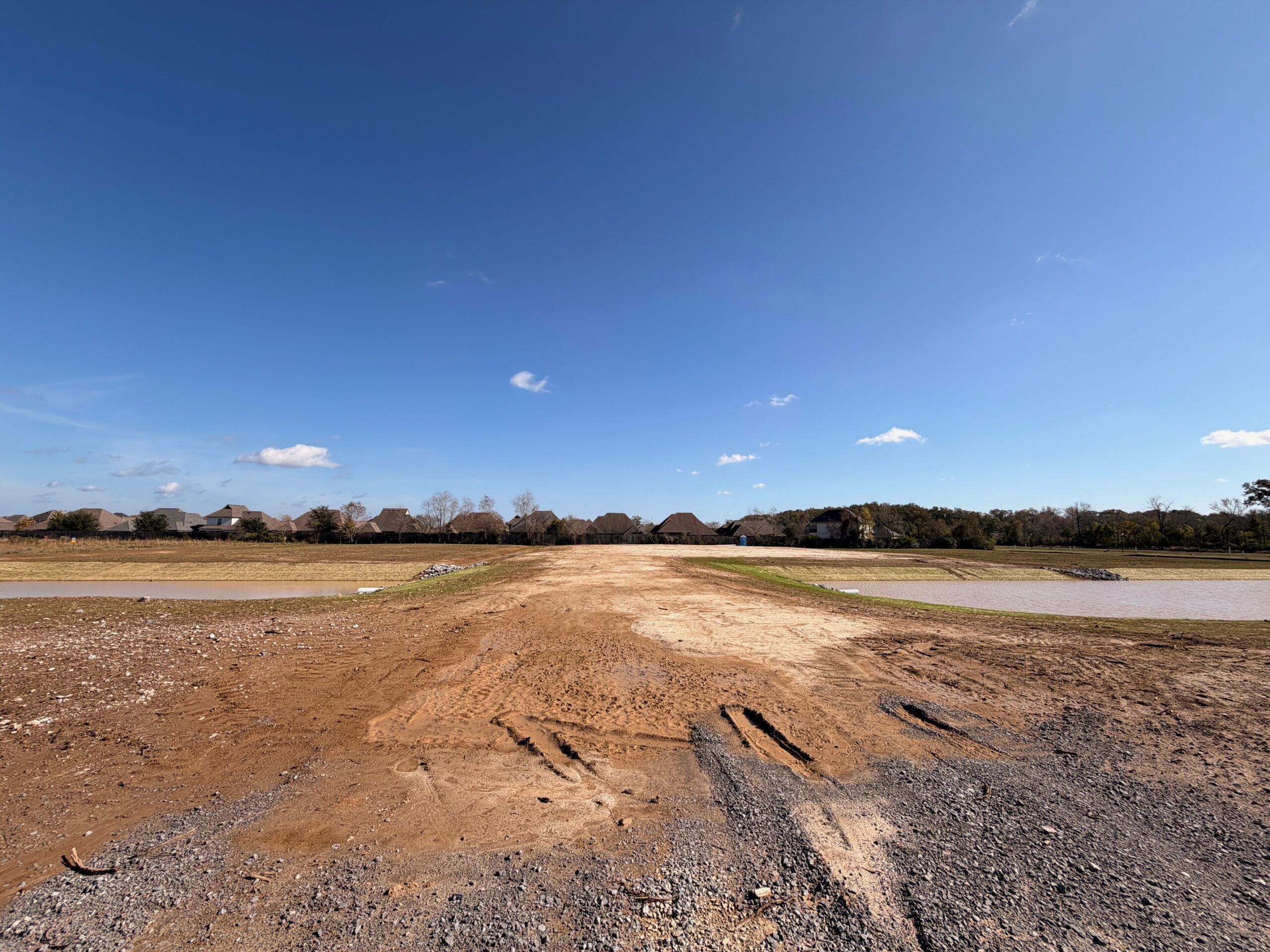
That philosophy extends to facilities and people. As Delta’s headcount and revenues grew, its legacy offices near the fabrication shops could no longer attract or retain top talent. In response, the company leased and then purchased new offices in Prairieville, Denham Springs and Zachary, moving closer to the communities where employees live and their children go to school. Now, Delta is building a significantly larger flagship office on a nine-acre site in Zachary, directly in front of the Copper Mill subdivision, to accommodate continued growth.
Inside the gates of its Choctaw fabrication shop, Delta has also invested to modernize operations. The company added substantial under-roof space for staging, packaging and modular work, and demolished an unusable asbestos-containing building, replacing it with a new structure for painted supports and modular shipments. A major network upgrade —internally dubbed “Project Hard Net”— extended fiber and wireless access yard wide, enabling real-time inventory and production tracking.
Clients receive automatic daily reports showing exactly where every item is in the shop and what milestones it has reached. The transparency is deliberate. “We like them having the transparency into our shop to know that we’re doing everything we said we were doing, and they don’t have to worry about it,” Holmes explains.
Even the company’s delivery trucks are part of the strategy. Delta has upgraded its fleet so that aging, failure-prone vehicles don’t jeopardize critical deliveries. “The last thing you want is the call at 2 a.m. telling you that the truck broke down,” Holmes says. “We want to make sure that we get where we’re supposed to get on time, every time. It’s kind of been our calling card — on-time deliveries.”
In a market crowded with vendors offering similar products, Holmes believes execution is the true differentiator. “There’s never been a better time to be a standout, because there are so many people who are just willing to do the bare minimum,” she says. “All you really have to do is keep your word and always follow through on what you say you’re going to do. It’s a strategy that has worked for Delta for 42 years.”