
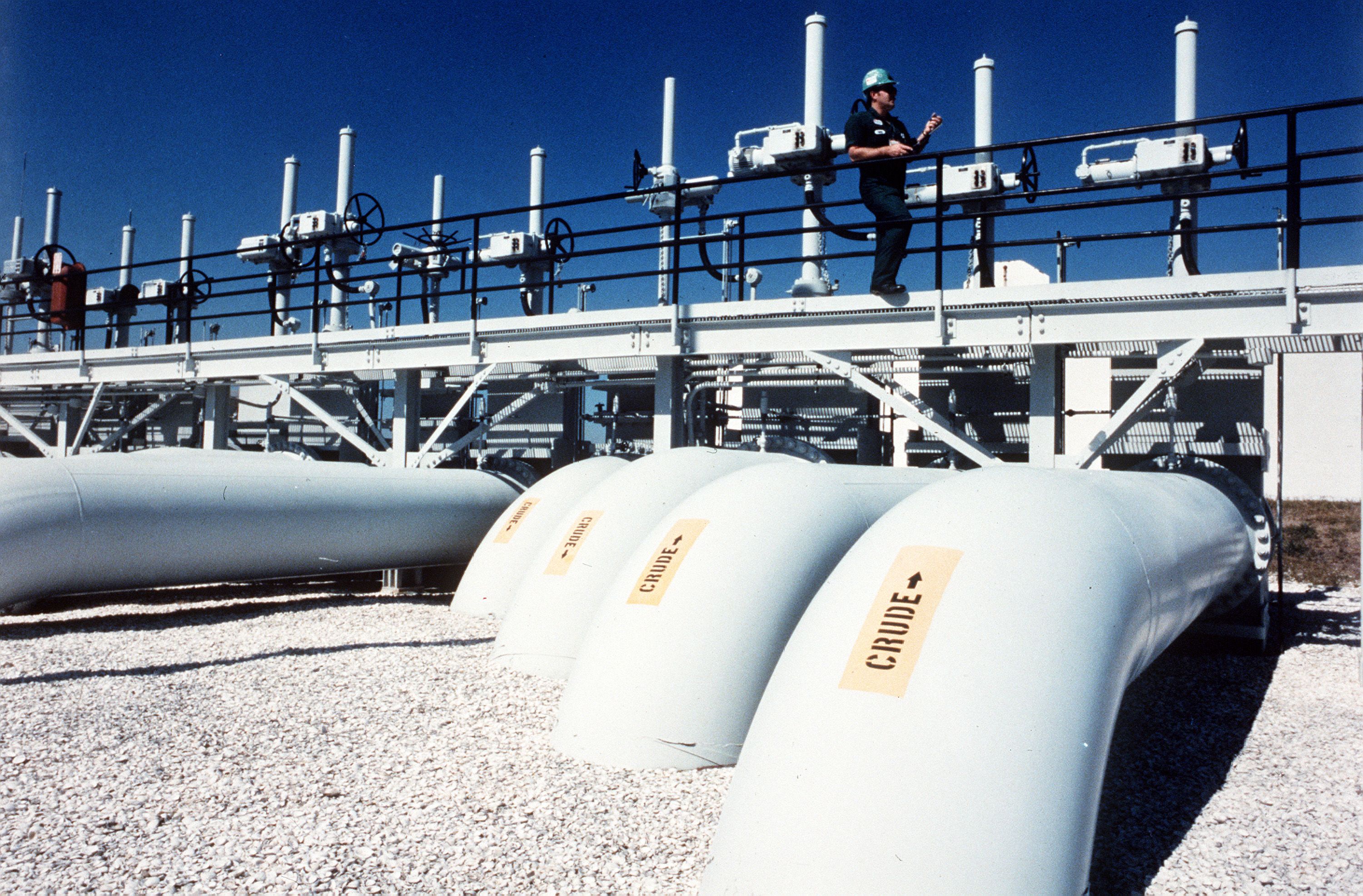
Repeated drawdowns, along with aging infrastructure and years of underinvestment, have placed significant strain on the Strategic Petroleum Reserve, The Wall Street Journal reports. Equipment failures, well damage and deterioration of the Gulf Coast salt caverns have reduced the system’s ability to withdraw and replenish oil at its original design capacity, raising concerns about whether future administrations will be able to rely on the SPR as effectively during major energy disruptions.
The ongoing U.S.-Iran conflict highlights the SPR’s continued role in protecting against global supply disruptions, particularly because renewed tensions could threaten shipping through the Strait of Hormuz.
Although the U.S. shale boom has made the country the world’s largest crude oil producer and significantly reduced its reliance on imports, the reserve remains an important tool for helping stabilize global oil markets. The current coordinated release with other International Energy Agency members helped limit oil price increases during recent supply disruptions.
The SPR’s operational capacity has declined substantially, with its maximum withdrawal rate falling from 4.4 million barrels per day to about 2.7 million and its refill capacity dropping from 785,000 to roughly 440,000 barrels per day. Federal officials have acknowledged mounting maintenance challenges, describing parts of the reserve as being held together with temporary fixes, while repair projects have faced delays and cost overruns.
Although the Department of Energy is releasing oil at a slower rate to reduce wear on the facilities and plans to return the exchanged oil, experts warn that significant long-term investment and rehabilitation are needed to ensure the reserve remains capable of responding to future energy emergencies.