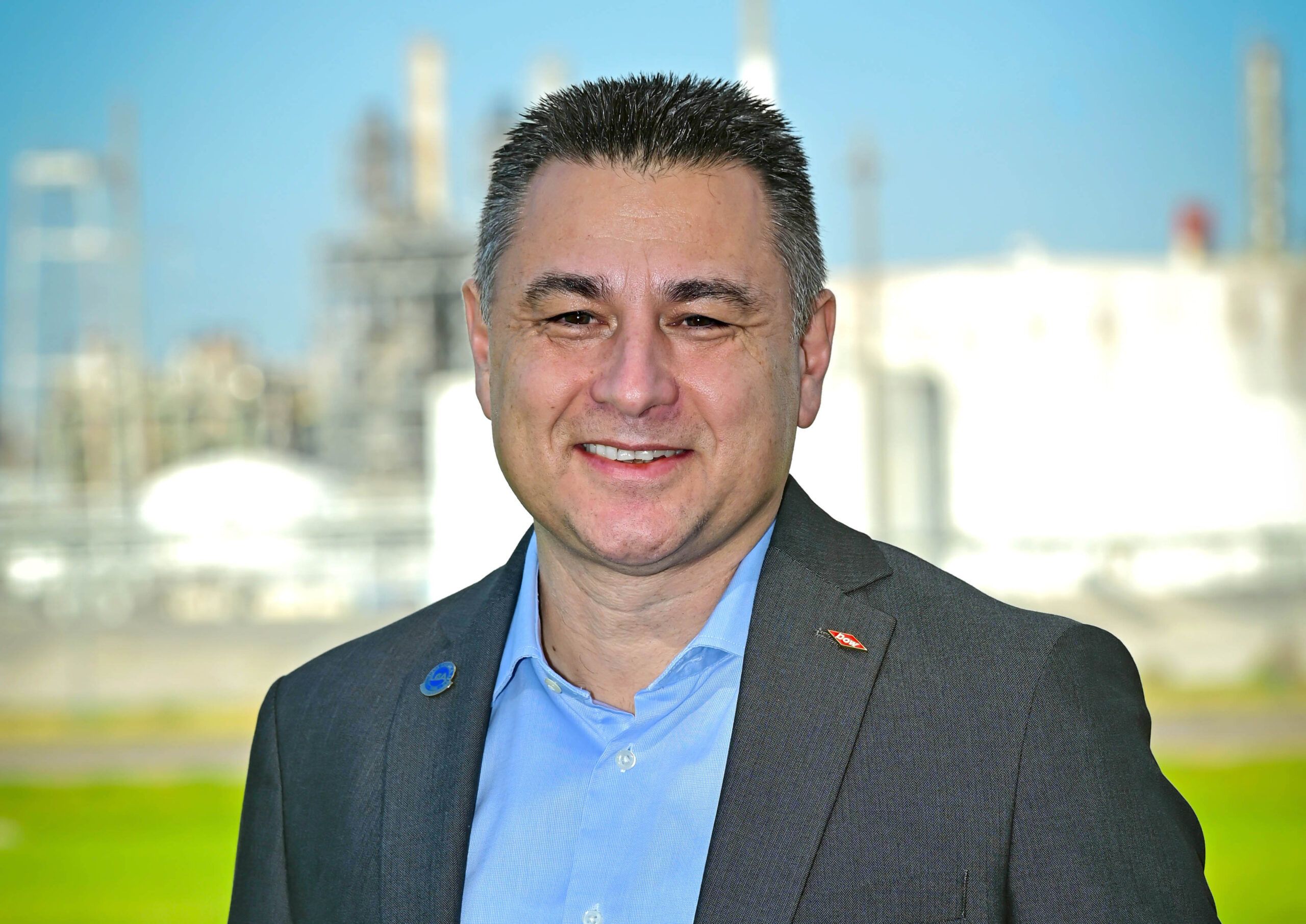
Position: Senior Site Manufacturing Director
Company: Dow St. Charles Operations, Hahnville
What they do: Dow’s St. Charles Operations (SCO) is a 2,000-acre integrated petrochemical manufacturing complex that converts petroleum-based raw materials into a variety of basic building-block and intermediate chemicals. These chemicals are used to produce pharmaceutical ingredients, health and personal care products, paint, adhesives, coatings, automotive products and other industrial intermediates.
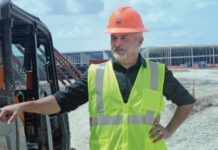
Luca Balbo was born and raised in northeast Italy and began his career as a process engineer at EniChem S.p.A, a chemical subsidiary of Italy’s largest energy company.
After serving in the Italian Army, he joined Dow in 2001 as part of an EniChem acquisition. Then in 2004, he joined the manufacturing team as operations leader at the TDI plant in Venice, and later relocated to Freeport, Texas, where he ultimately landed as senior production director at the PMDI plant.
In his first Louisiana stint, Balbo transitioned to the St. Charles Operations in 2015 as the site responsible care director, before accepting the role of global business manufacturing and technology leader for Polyols and Polyurethanes Systems and PU External Manufacturing. He returned to the SCO as the senior site manufacturing director in 2021.
Over the last four years, he has overseen all aspects of the site, including production performance, employee engagement and regulatory compliance.
THE CHALLENGE
When Balbo returned to Dow’s St. Charles Operations in 2021 after having previously lived in Louisiana, it felt like a baptism by fire. Just nine days after his arrival at the 2,000-employee plant, Hurricane Ida slammed into the Louisiana coast as a Category 4 hurricane, with the northeast corner of the eyewall—where the strongest winds typically occur—passing directly over the plant and causing widespread damage.
Leading up to the storm, however, he had no time for a lengthy transition into his new position. As a first step, he shipped his family off to Texas to live with friends and set up residence at the facility for several weeks.
Despite the pressing need for hurricane preparations, Balbo felt there was a higher priority.
“Building relationships takes time in any situation, so I needed to do it in a hurry,” Balbo says, “They didn’t even know who I was, so I was more worried about spending calories on that than the hurricane. Besides, our storm protocols were already very strong, so we didn’t have to re-invent the wheel five days before the storm.”
Balbo had to quickly build a nominal level of trust with the other leaders in a short amount of time, while also wrapping his mind around the daunting scope of prep work that had to happen in the ensuing days.
THE RESOLUTION
Sincerity, honesty and transparency would be key to his success—from the time he set foot on site.
“You’ve got to be sincere about your own personal situation,” Balbo says. “I simply let them know that, ‘I’m new, I don’t know everything … but this is what I know, this is what I don’t know, this is what I can do for you, and this is what I can’t.’ And I just let them share their thoughts before I started giving any type of direction.”
Even in a rush scenario like that one, Balbo notes, it takes a lot of listening. As he puts it, “there’s a storm coming, but we’re still going to talk, one-on-one, for a couple of hours.”
It was time well spent, as the team dynamics over the next several weeks made a challenging situation tolerable, and even rewarding at times.
Ultimately, Balbo and his team got the plant back up and running in just 45 days, a record in the industry. It wasn’t easy, given that they only had a skeleton crew and many workers were unable to get to the site due to the widespread damage around them.
Balbo turned the Dow plant into a self-functioning city with water, food, clean spaces and areas for rest. The team also provided a way for employees to check on their homes, then rented trailers for their families.
THE TAKEAWAY
Balbo has encountered numerous challenges over his decades-long career but had never been tested to this level. Over the days and weeks that followed, he became a “remover of obstacles,’ while also enduring the pressures of getting the plant up and running.
He learned a valuable lesson along the way: Taking care of people always takes precedence over any needed repairs with the facility.
“Our support structure for both the community and people around us outlasted any storm repairs at the plant. And that’s something I had not fully comprehended before this happened—you’re not done just because the plant is running. People need to be taken care of well beyond that.”