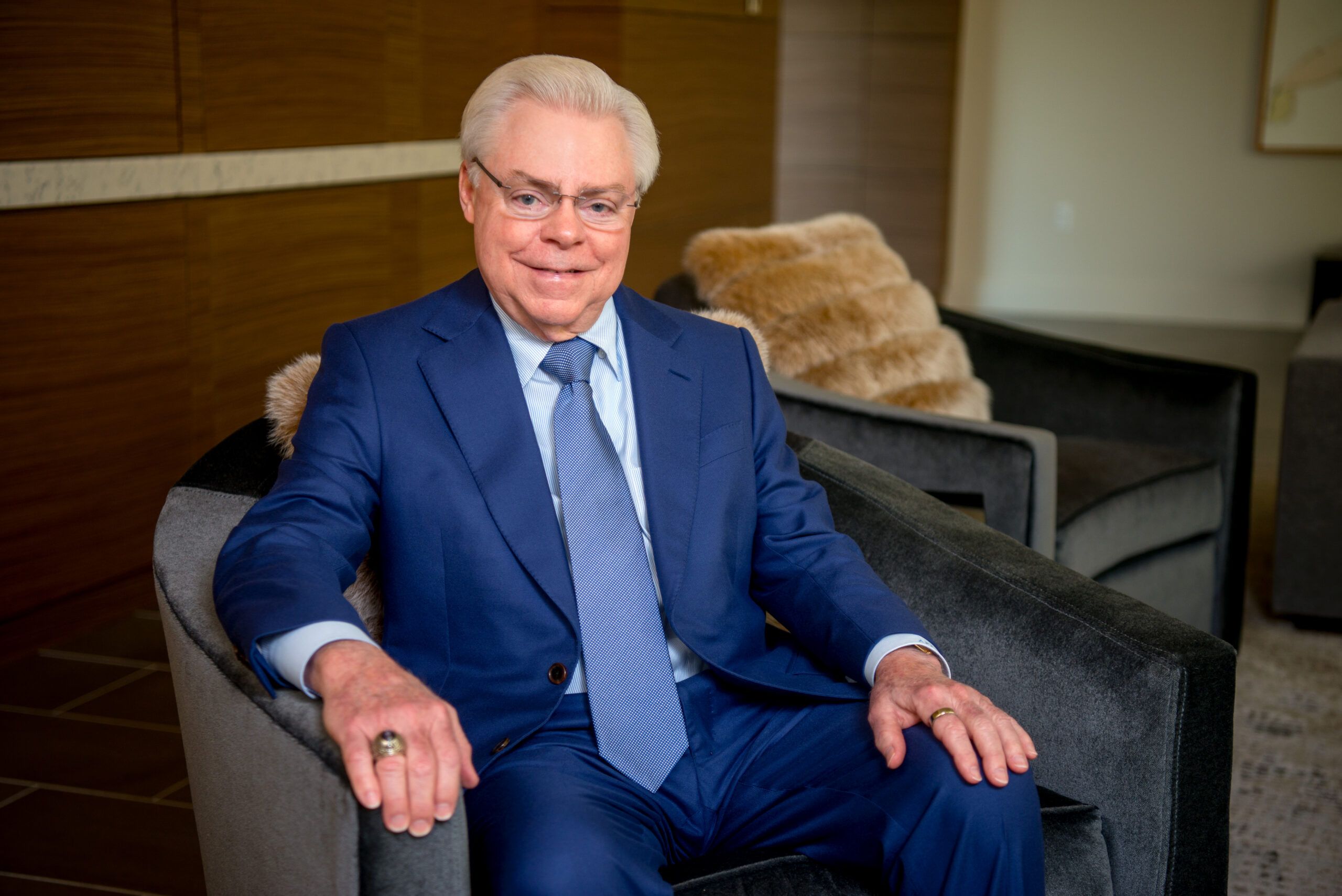
Art Favre is rarely the loudest voice in the room, but he’s almost always the one who elevates the conversation. He has a knack for listening, learning and absorbing information, then providing meaningful insights that take discussions to the next level.
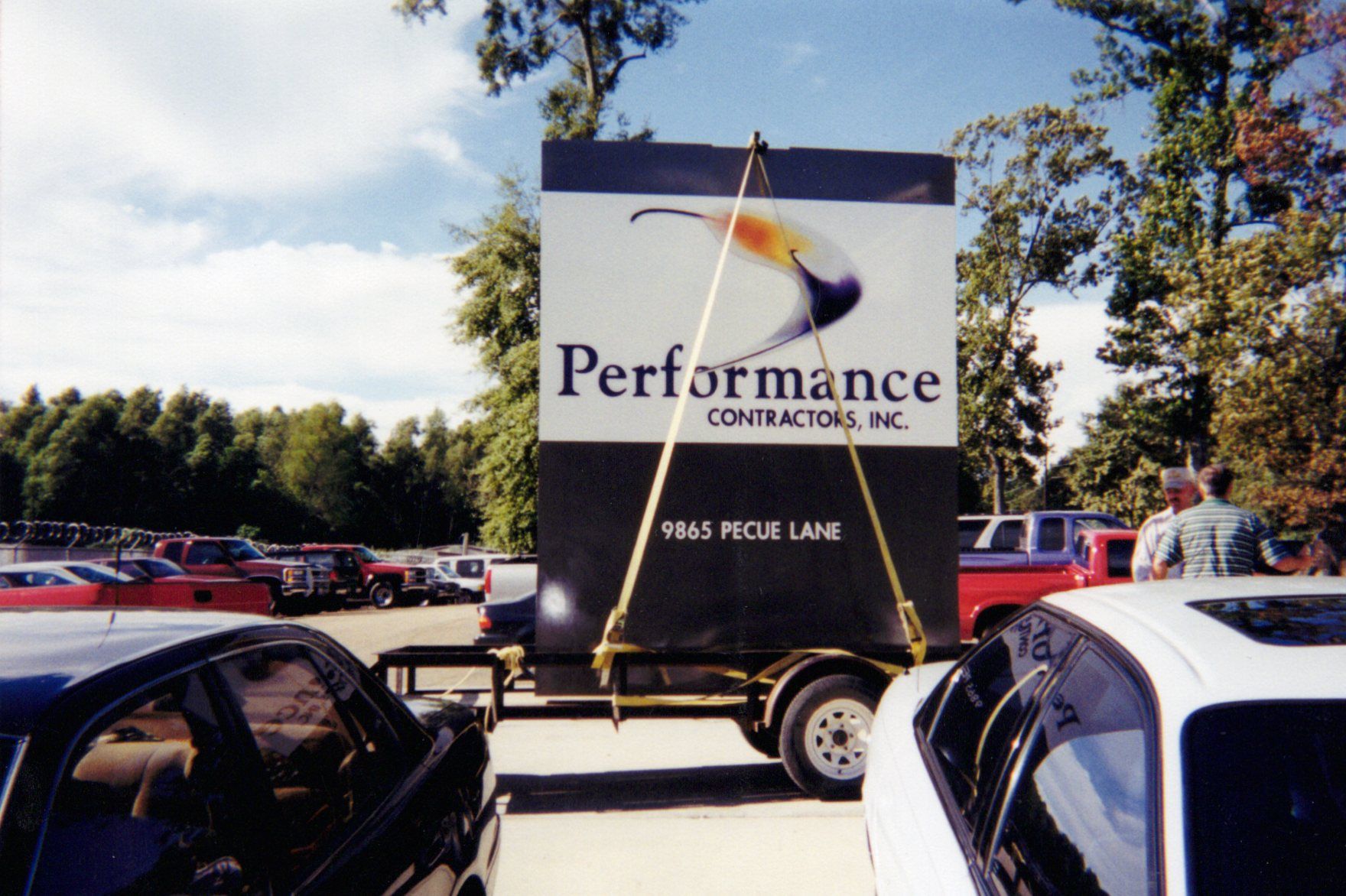
 That innate ability, along with a foundation of “doing the right thing, no matter how hard it might be,” enabled Favre to create, sustain and grow Performance Contractors into one of the nation’s largest and most prolific contractors.
For most of his early years, Favre lived with his family on a small cattle ranch north of Gulfport, Mississippi, where they also raised corn, hay and pecans. It was backbreaking work that came with valuable lessons. “I think the hottest I’ve been in my life was in the middle of August picking corn by hand and throwing it in a trailer,” Favre says.
His father, a veteran who had served in the Pacific Theater during World War II, was the “drill sergeant” of the family. “He made sure that we knew what was important in life,” he adds. “I learned early that you need to have a strong foundation and to do the right thing … even when it’s not necessarily the easiest thing to do.”
A little good fortune would eventually map out his destiny. He’d always had an interest in construction, so as a senior in high school he began looking for universities in Mississippi with a construction program, but there was no such thing. He ultimately chose architecture, the closest thing he could find to the career, and enrolled at LSU.
There was just one problem: He had no artistic ability. “There were other people who would run circles around me in their ability to freehand sketch things, and I had to do everything with a straight edge and ruler. To say the least, it put me at a competitive disadvantage.”
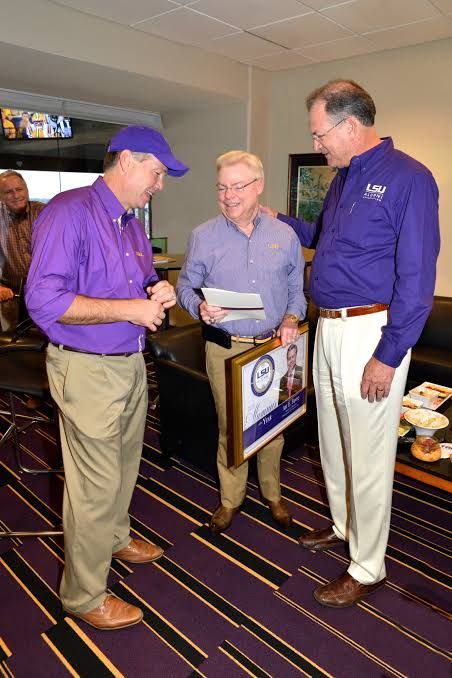
Nonetheless, his timing couldn’t have been better. At the end of his freshman year, LSU launched the Construction Management Department in the College of Environmental Design and he immediately changed majors. He later graduated in the department’s first class, along with other soon-to-be industrial construction giants such as Eddie Rispone at ISC and Pepper Rutland at MMR Group. One of his early teachers was Roland Toups, former CEO of Turner Industries. “It was hands down one of the best decisions I’ve ever made in my life,” he says.
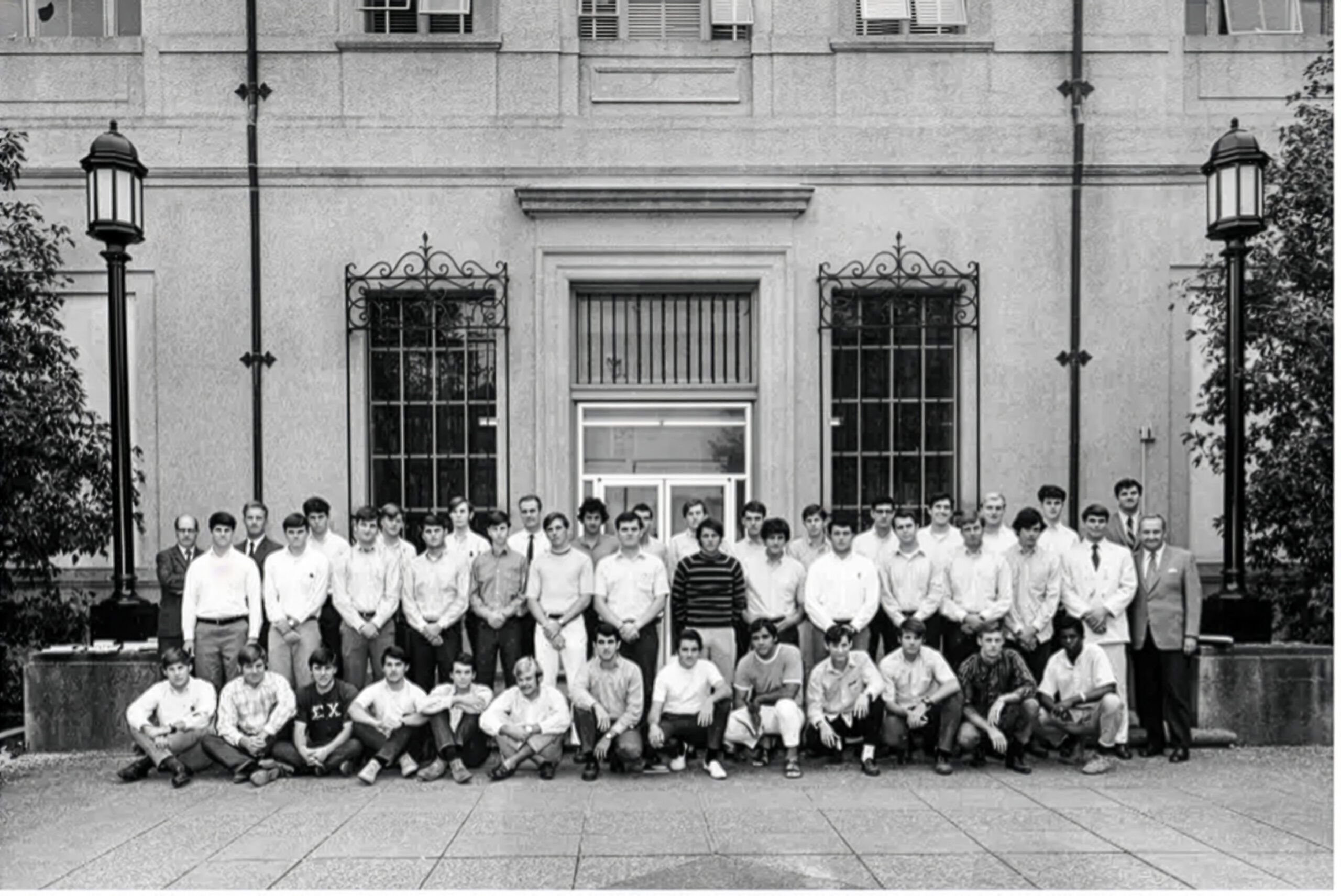
In another case of perfect timing, he graduated not long after the passage of Right to Work Legislation in Louisiana, which gave birth to a thriving merit shop movement in the construction industry, followed later by the creation of Associated Builders and Contractors’ Pelican Chapter in Baton Rouge.
That gave Favre the confidence he needed to create Performance Contractors in 1979. “Starting Performance was a big risk, because we were betting the ranch that we were going to be successful,” he says. “Thankfully, there were some plant managers willing to take a chance and give us some opportunities.”
They worked only on small projects in the beginning. “The first few years were extremely difficult,” he adds, “both financially and from the pressure and stress that it put on our families. When you’re in a small company, you’re trying to be everything for everyone and you only have a handful of people to make that happen.”
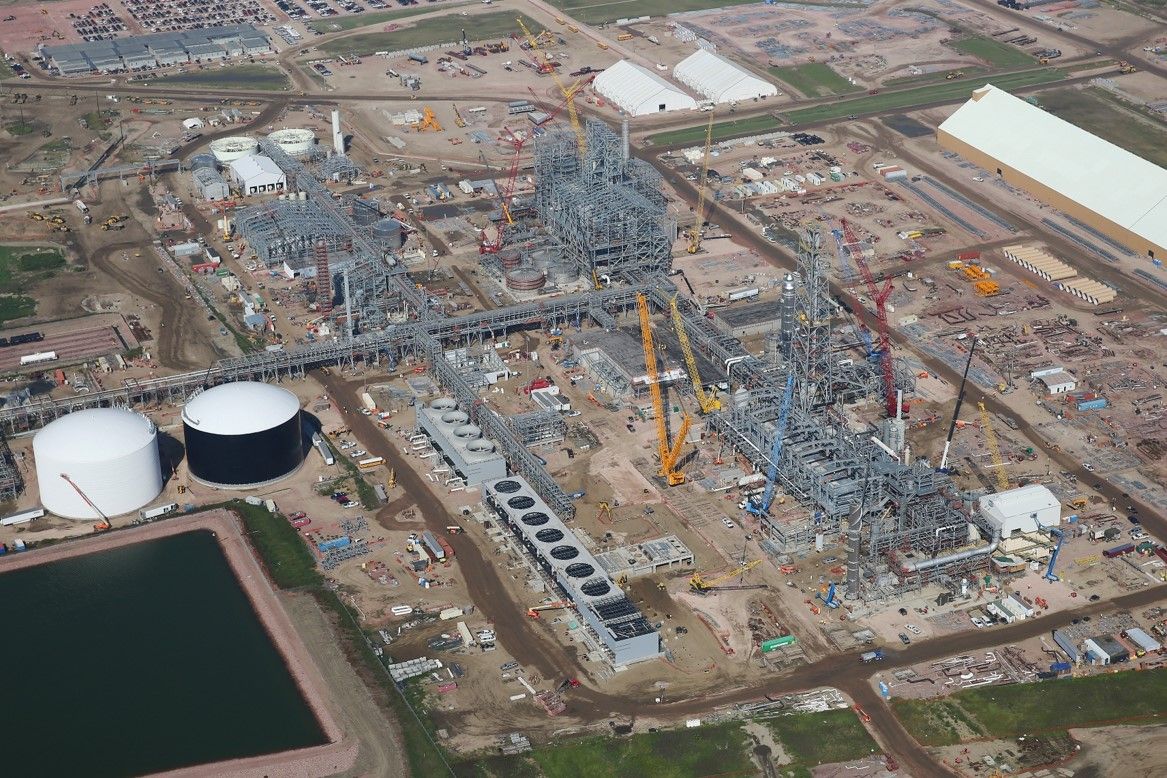
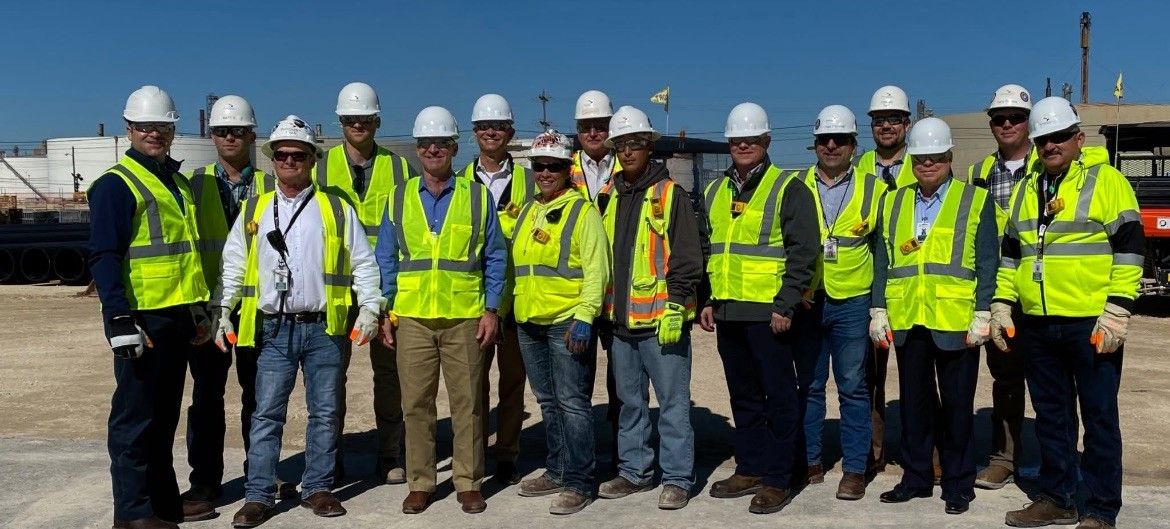
In the years that followed, Performance’s ability to adapt to wildly fluctuating market conditions and political environments enabled it to survive and thrive. Then, in another leap of faith, the contractor expanded its geographic footprint, opening their first out of state office in Mobile, followed by others in Houston, Lake Charles and Corpus Christi. Today, they’re working in 26 states.
Kevin Courville, current president & CEO of Performance, says much of the company’s success can be traced to Favre’s unique management style. Courville has worked with Favre for decades, joining Performance after graduating from LSU in 1983.
For most of those years, they’ve also been fishing buddies, as they share the same love for blue marlin sport fishing. “I think the only way you organically grow a company from just three people to 17,000-plus is by trusting people and empowering them to do
their jobs,” Courville says. “He set the company up to operate in a spread offense, so everyone is going out and running parallel as opposed to stacked.”
As such, he trusts his managers to make decisions rather than having to wade through multiple layers of bureaucracy. “You have to hire the right people and then trust them to make it happen,” Courville says. “That’s what we’ve done throughout our company in every department and in every regional office we’ve opened.
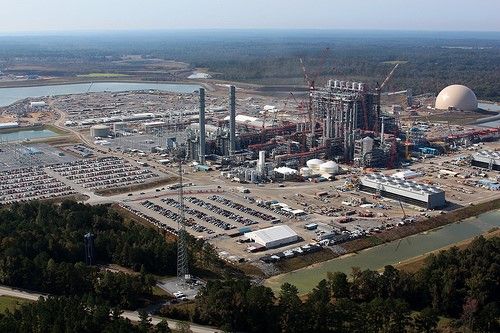
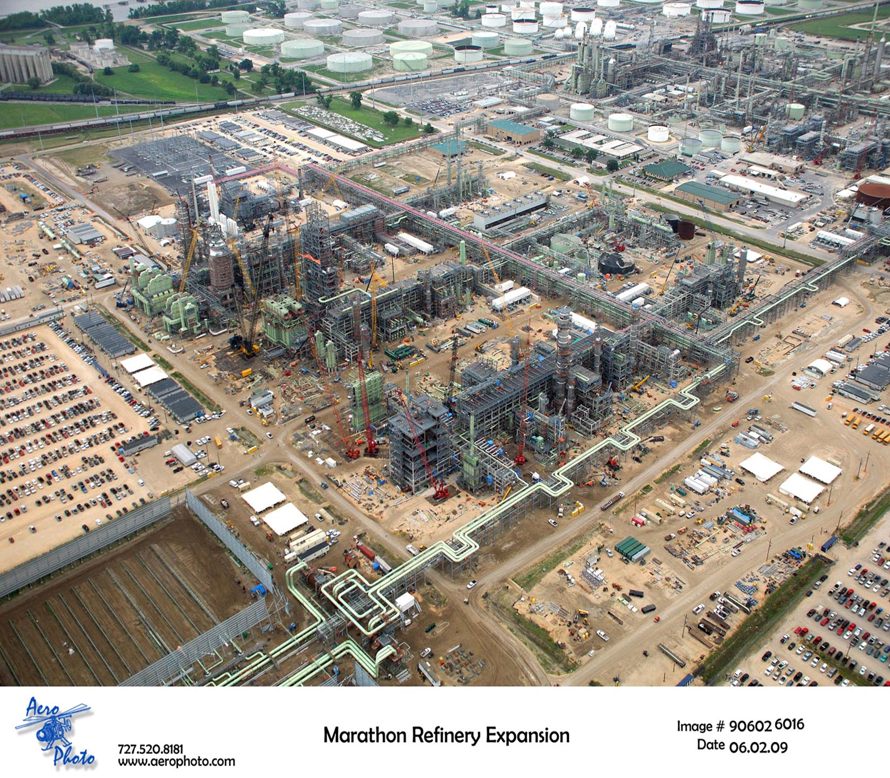
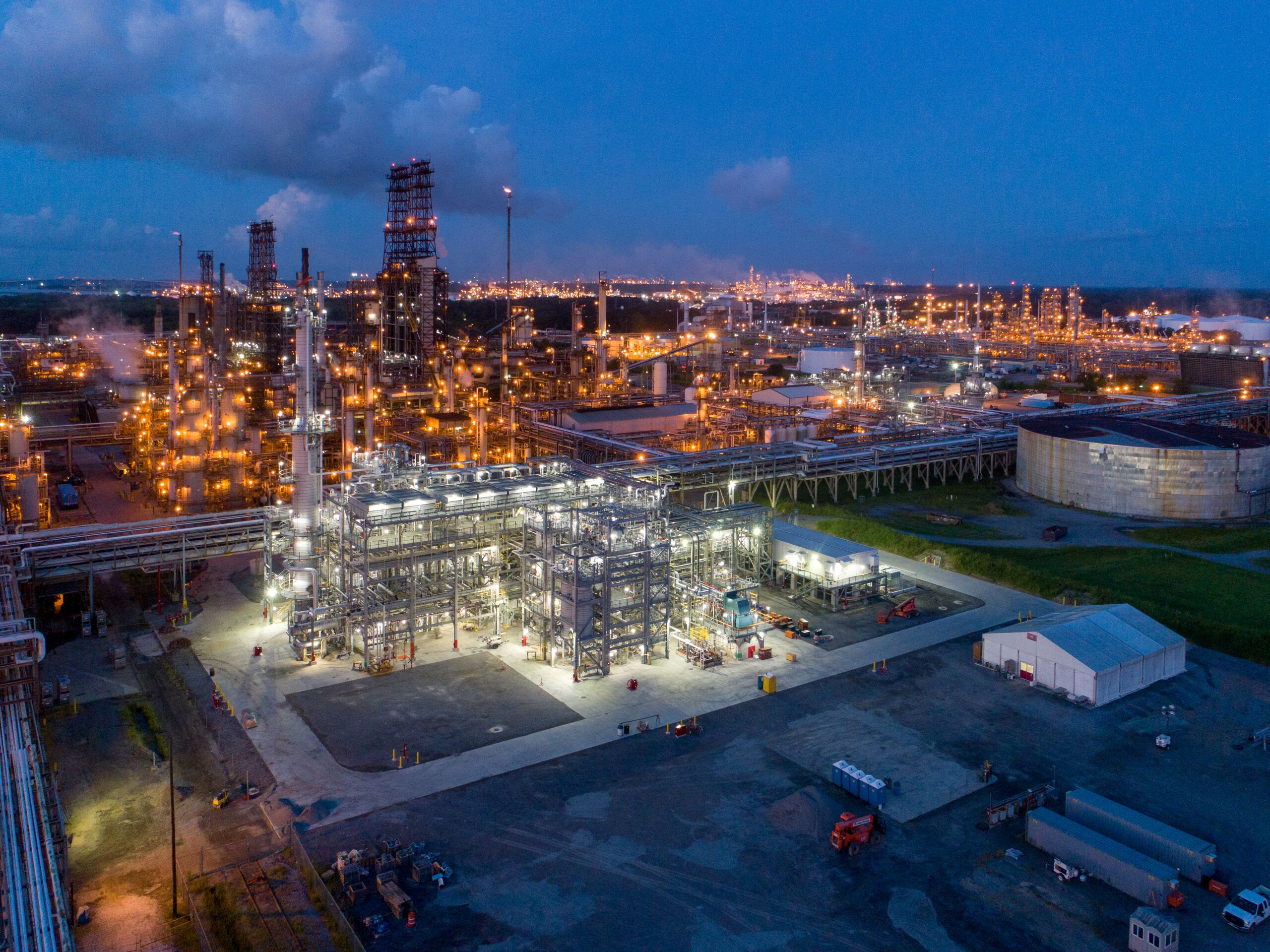
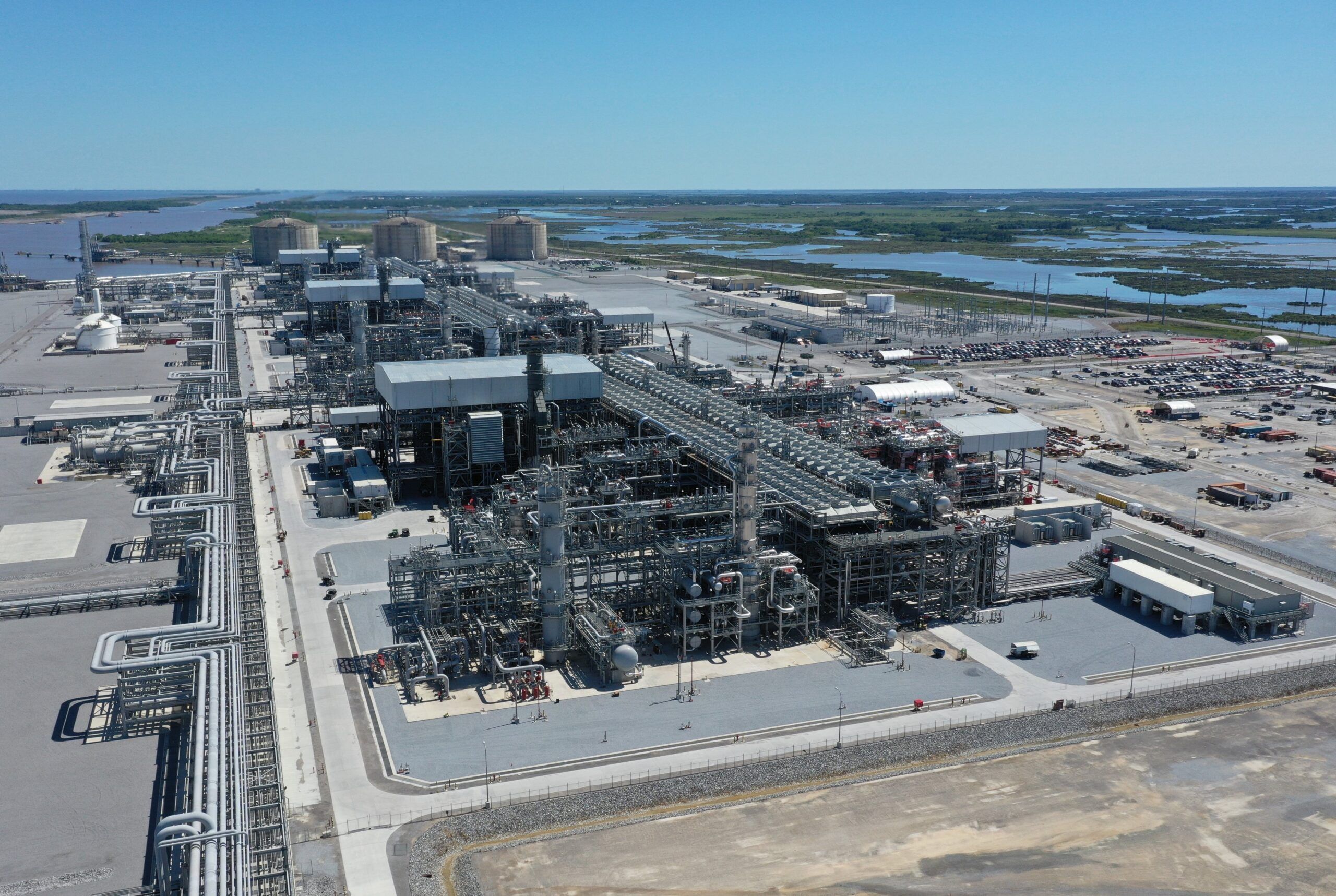
“When you empower people, that style of management is contagious.”
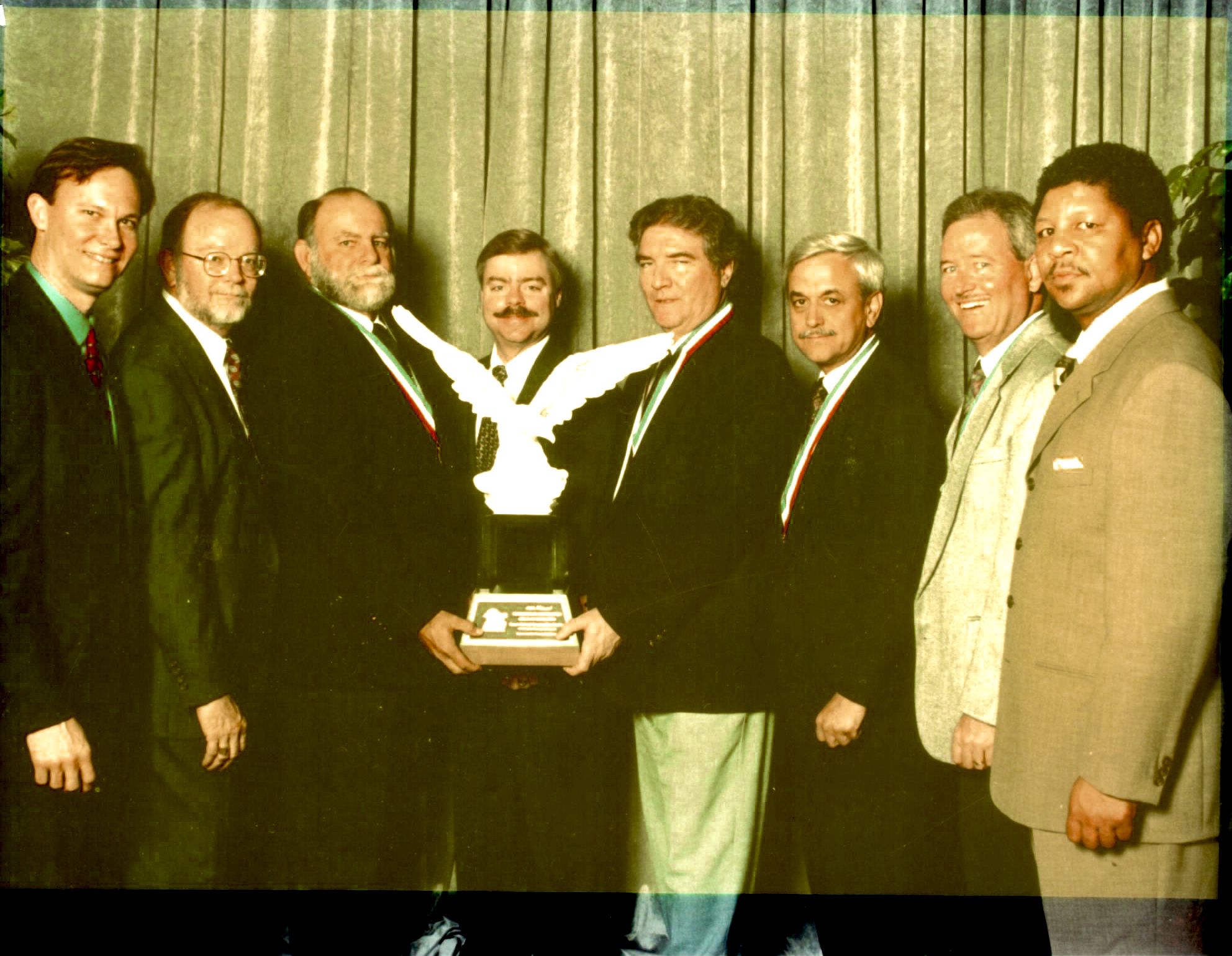
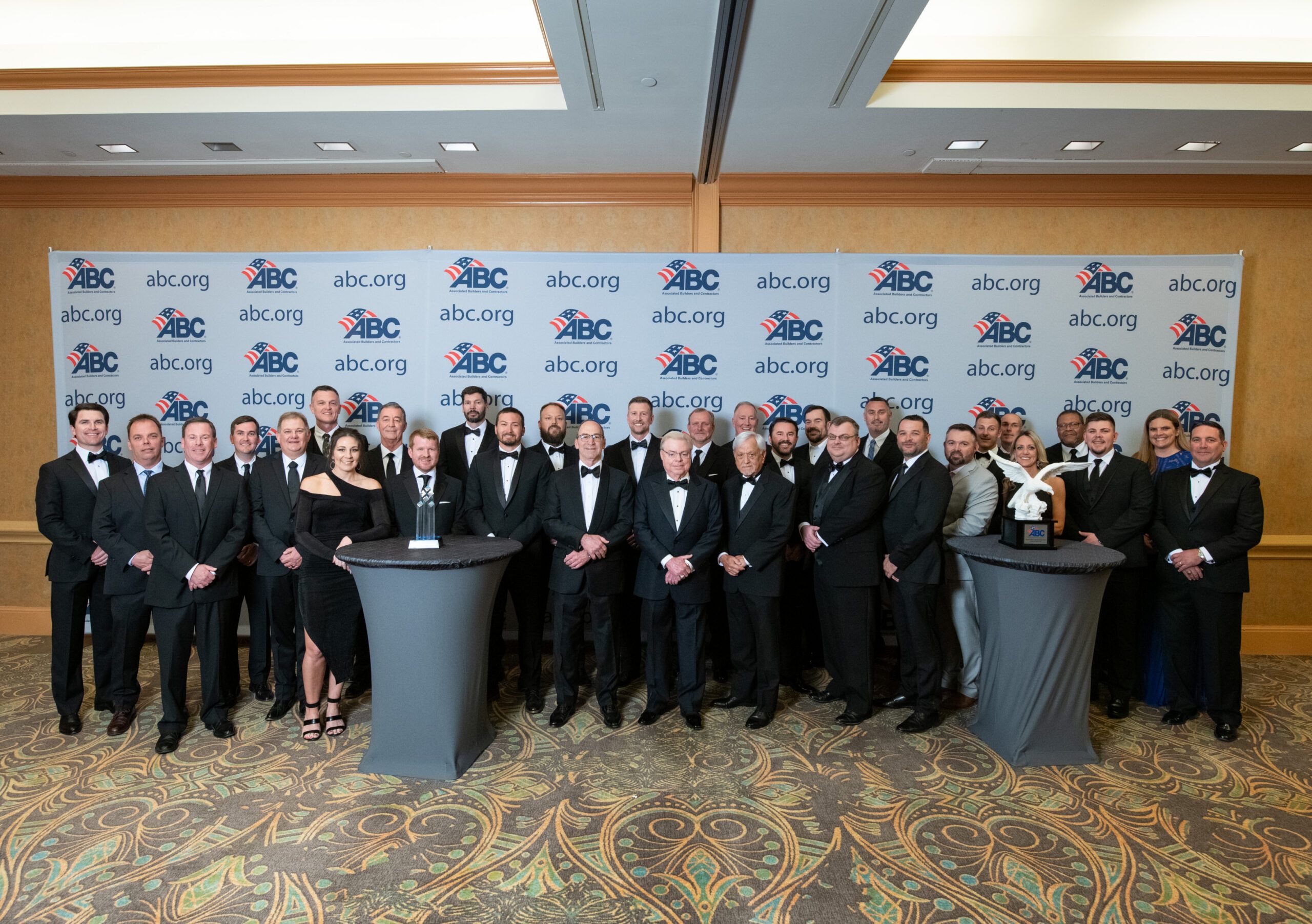
Favre, now chairman of the board, also credits their success to a logical approach to problem solving. “I’ve learned that very few people have good common sense,” he adds. “I think being able to look at a situation logically is one of my strongest attributes.” He’s most proud, perhaps, of Performance Contractor’s selection as ABC’s National Contractor of the Year in 2023, an award given by his peers in the construction industry. “I saw it as a recognition of all the people who built Performance into what it is today,” he says.
Giving Back Strategically
Undoubtedly, though, it’s Favre’s passion for giving that’s had the greatest impact on Baton Rouge. Higher education has been a particular passion. In 2024, he presented a $15 million donation to LSU for the design and construction of a new $107 million standalone Construction & Advanced Manufacturing Building, enabling work on the project to begin earlier than planned.
The building is scheduled to break ground in 2027. Favre also leads the fundraising effort for the project, having helped raise some $45 million of the remaining $60 million needed in private donations.
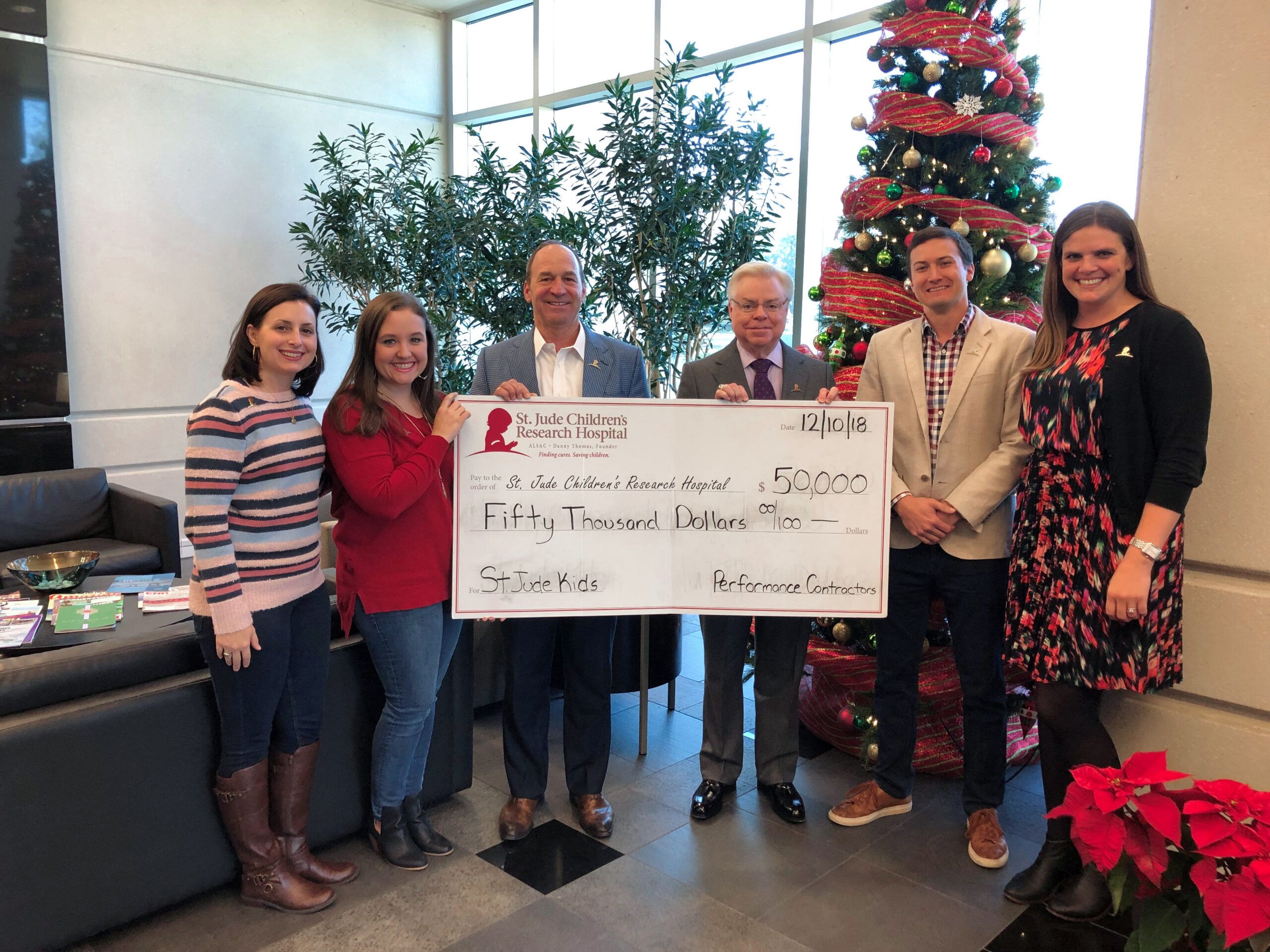
Equally impactful, though, has been his philanthropic work with Pennington Biomedical Research Center and Mary Bird Perkins Cancer Center, among others. Jonas Fontenot, president & CEO of Mary Bird Perkins, says Favre has an extraordinary talent “for listening, digesting information, reflecting and then being very thoughtful and intentional about his thoughts and opinions.”
Fontenot got to know Favre through his service on the Mary Bird Perkins Cancer Center board of directors, where Favre served as vice chairman, chairman and immediate past chair, before transitioning to the Mary Bird Perkins Cancer Foundation board. “Art’s the one who leans back in his chair, listens to the dialogue and then once you think the conversation is getting to a point of consensus, he’ll weigh in with some unbelievably insightful thoughts that elevate the discussion.”
Favre has a particular passion for creativity and innovation. Through an endowment eight years ago, he established an Innovation Fund that awards grants each year “to help further innovative ideas from our doctors and staff, as well as advance patient care or the mission of the center,” Fontenot says.
Favre has also been a critical supporter of the hospital’s entry into an emerging area of radiation oncology—Adaptive Radiation Therapy (aptly called ART). Three years ago, he made a sizeable donation to the cancer center that enabled it to purchase a new adaptive radiation therapy machine—a “gamechanger” in regional cancer treatment. Today, it remains the only machine of its type in the Gulf South.
“He saw what it was capable of, what it would mean for patients and their outcomes, and he was willing to lean in with the anchor gift, which ultimately inspired others to also participate in the campaign,” Fontenot says. The program has since provided state-of-the-art care to thousands of patients.
“Art doesn’t make decisions lightly,” he adds. “Once he decides to lean in, he’s all in.”
A Legacy of Making Things Better
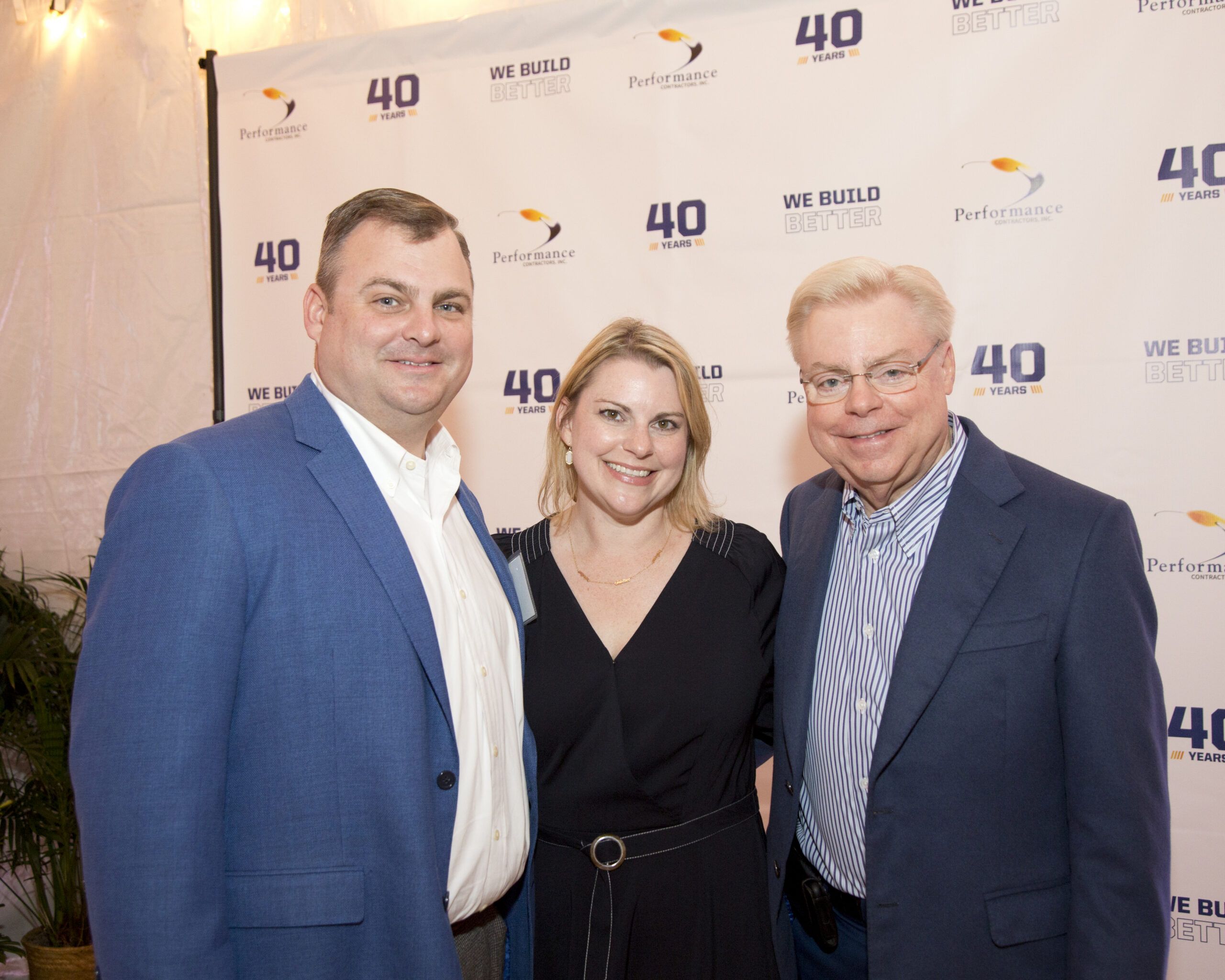
Today, Favre’s family remains heavily involved in the company. His son, Scott, and daughter, Shelley, currently serve on Performance’s board of directors, and his oldest grandson recently began working for the company.
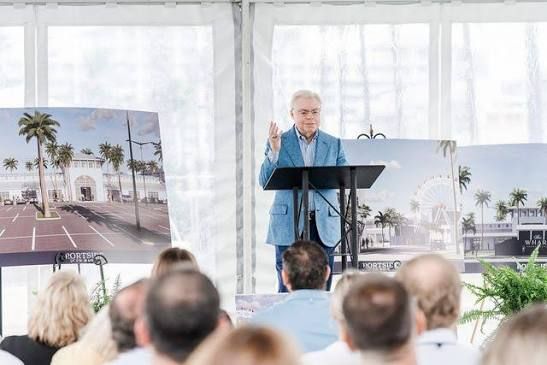
Meanwhile, his younger grandson (currently in high school) is also considering a career at Performance, and his oldest granddaughter would like to one day manage The Wharf, an entertainment, retail and residential complex Favre owns in Orange Beach, Ala.
As for his legacy, Favre hopes to be remembered for his ability to change the lives of others. “If we can help make someone’s life a little simpler or give them an opportunity that they wouldn’t have had otherwise, that’s meaningful to me,” Favre says. “And I think that’s one of the reasons God put me on this Earth, quite honestly.
“There’s a responsibility that comes with success. I’d like to look back and know that I’ve helped other people and communities … and that I left things a little better than I found them.”