Sponsored by Delta Machine & Ironworks
LNG projects don’t always go according to plan. A module might be delayed, a crane window might change, a barge might not be available or a job site might suddenly need supports in a different sequence than originally expected for any number of reasons.
For Delta Machine & Ironworks, supporting these projects means being prepared to adjust right along with them.
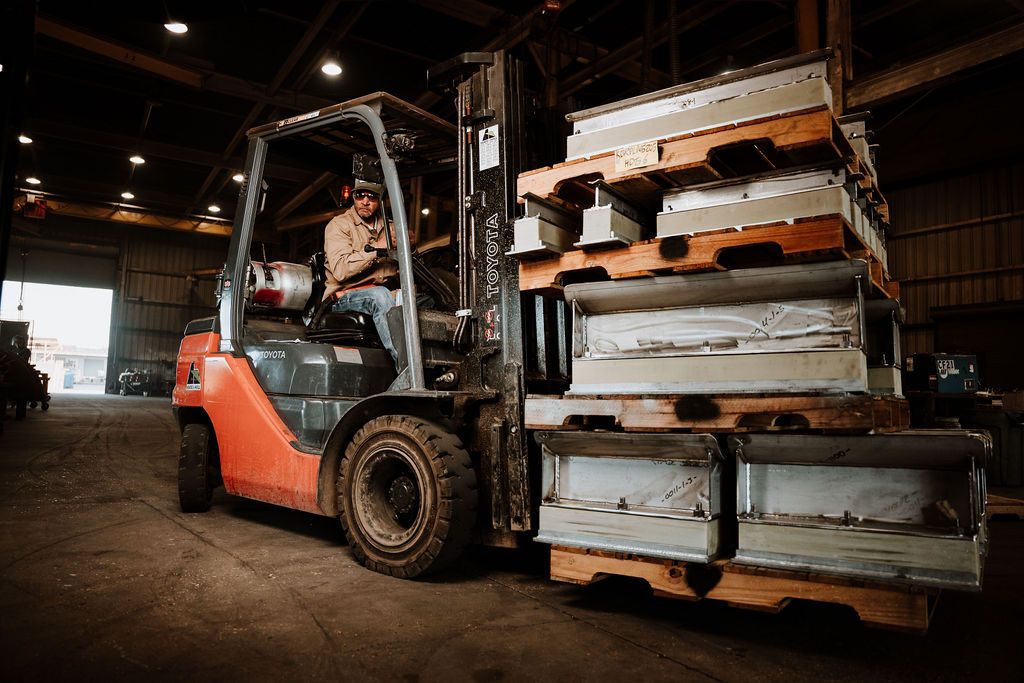
A large portion of Delta’s work over the past three years has supported Venture Global and Bechtel LNG projects. The company has provided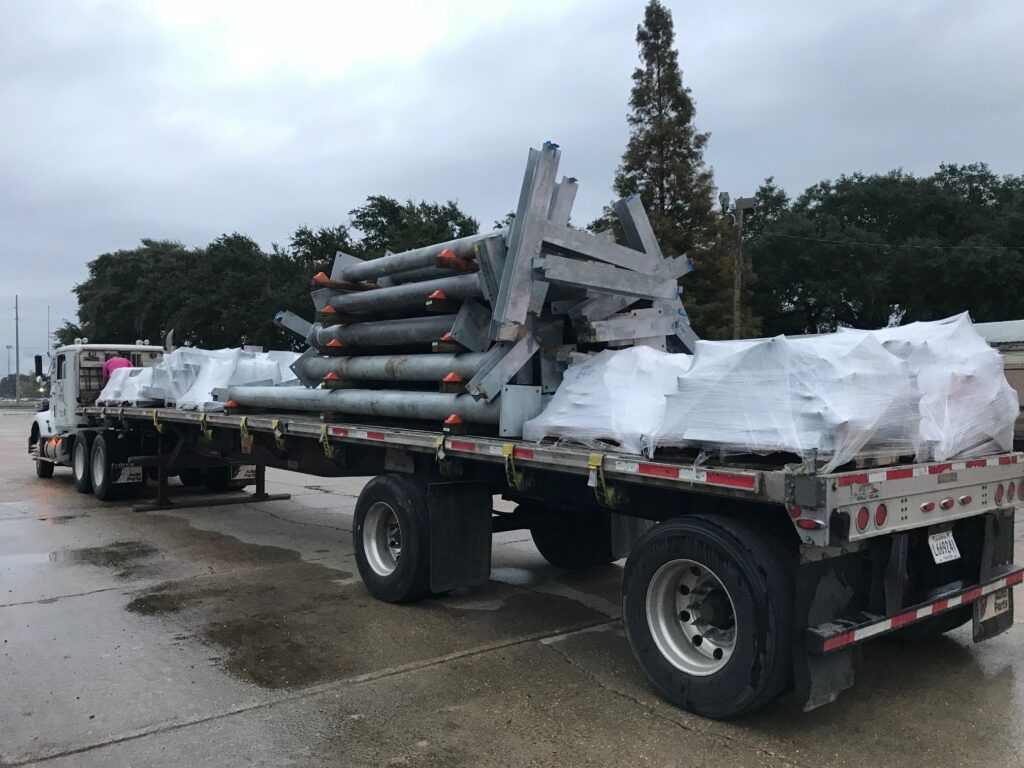 hundreds of thousands of pipe supports, from field-installed attachments and cold shoes to instrument panel shelters, along with blinds and shims manufactured through its machine shop. Those materials have been shipped to module yards, pipe shops and job sites in hundreds of shipments.
Heidi Holmes, engineering and technology director at Delta, says the company’s involvement can begin early in a project and continue through delivery.
“Some of our partners share ISOs with us as soon as they receive them,” Holmes says. “They start spool drawings while we take off supports and send them requirements for what’s needed from each ISO or spool.”
Other projects may involve Delta receiving material requirements from a partner’s takeoffs, model information from an EPC team or field requests directly from a job site. Delta’s approach depends on what each partner needs.
On larger scopes, Delta provides daily automated status updates that give clients visibility into everything from planning and priorities to RFI and budget status, current shop fabrication status, shipping information, pallet numbers, weights and delivery dates.
That level of communication becomes especially important when a project changes direction.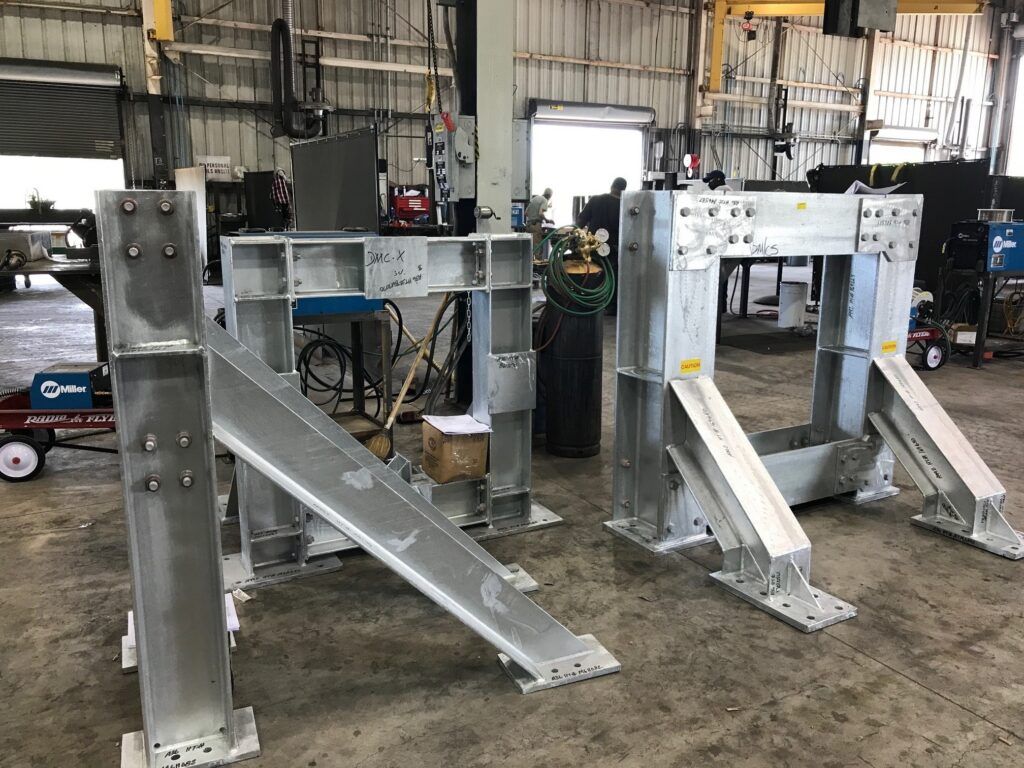
“Literally everything can change at the job site,” Holmes says. “We always want to work ahead of our partners, delivering the supports that they need when they need them.”
That can mean moving material around in the shop when the priority sequence changes or strategically bundling material so that Delta can respond quickly. Holmes points to a simple example: Having thousands of supports sitting in a client’s laydown yard doesn’t help if the 25 supports needed to keep work moving aren’t there.
Delta also developed specialized experience through its LNG work, including the production of thousands of cold shoes used in cryogenic service with G10 insulation blocks. Because the insulation material can have a long lead time, Delta built inventory and adjusted its processes to provide the shoes more quickly.
Holmes says that the company’s willingness to respond when a partner is under pressure has become an important, defining part of Delta’s approach and reputation.
“At Delta, there’s no such thing as no expediting options,” she says. “If our clients want to work with us to cover the expenses of expediting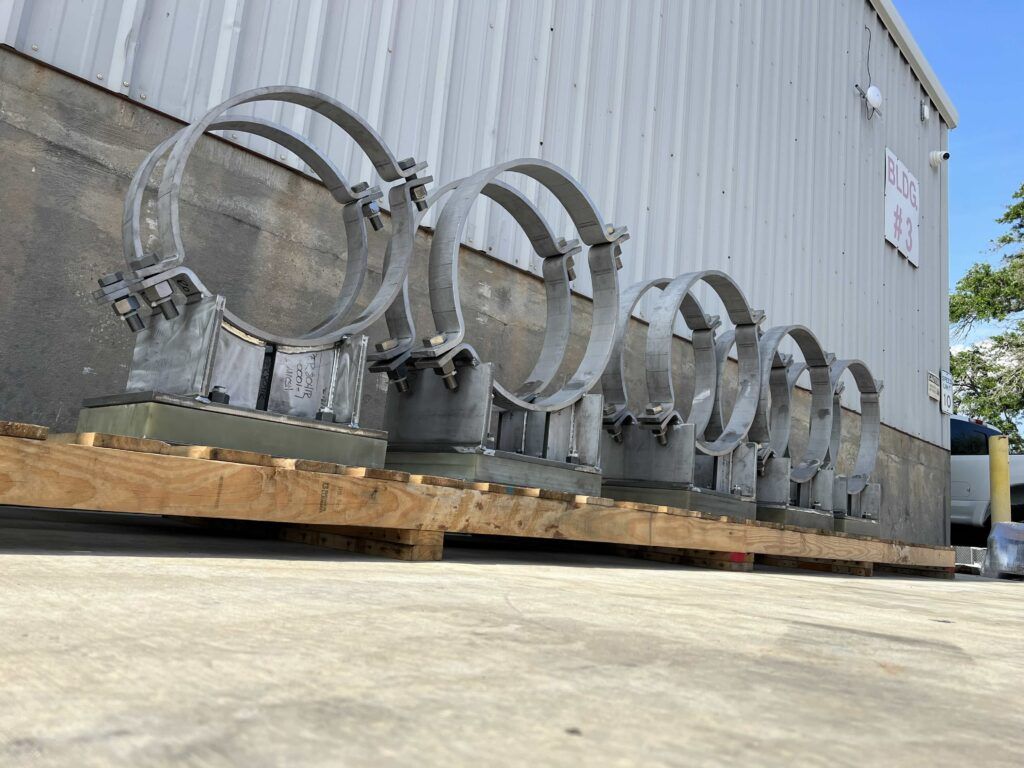 and help ensure we’re working on the right things first, we are always ready to put in the hours, add the necessary resources and do the work.”
The LNG market has also had a significant impact on Delta itself. LNG projects have represented more than 60% of the company’s annual sales revenue across multiple clients over the past three years, helping Delta invest in its facilities, equipment and people while expanding its client base.
For Holmes, the impact goes beyond business growth.
“They have allowed us to hire more friends and family who share our same work ethic and love for Louisiana and our neighboring states along the Gulf Coast,” she says. “We are thankful for the work, the livelihood, the partnerships and the trust that we have been blessed with.”