As AI data center developers search for secure and reliable power, they’re turning to reciprocating internal combustion engines to meet current project timelines, The Wall Street Journal reports.
Because utility interconnections and large gas turbine deliveries can take years, many operators are installing on-site natural gas generation as a temporary or semi-permanent solution.
Large gas turbines remain the preferred option for many hyperscale projects due to their efficiency at scale, but supply constraints and long lead times have pushed buyers toward smaller, more readily available alternatives.
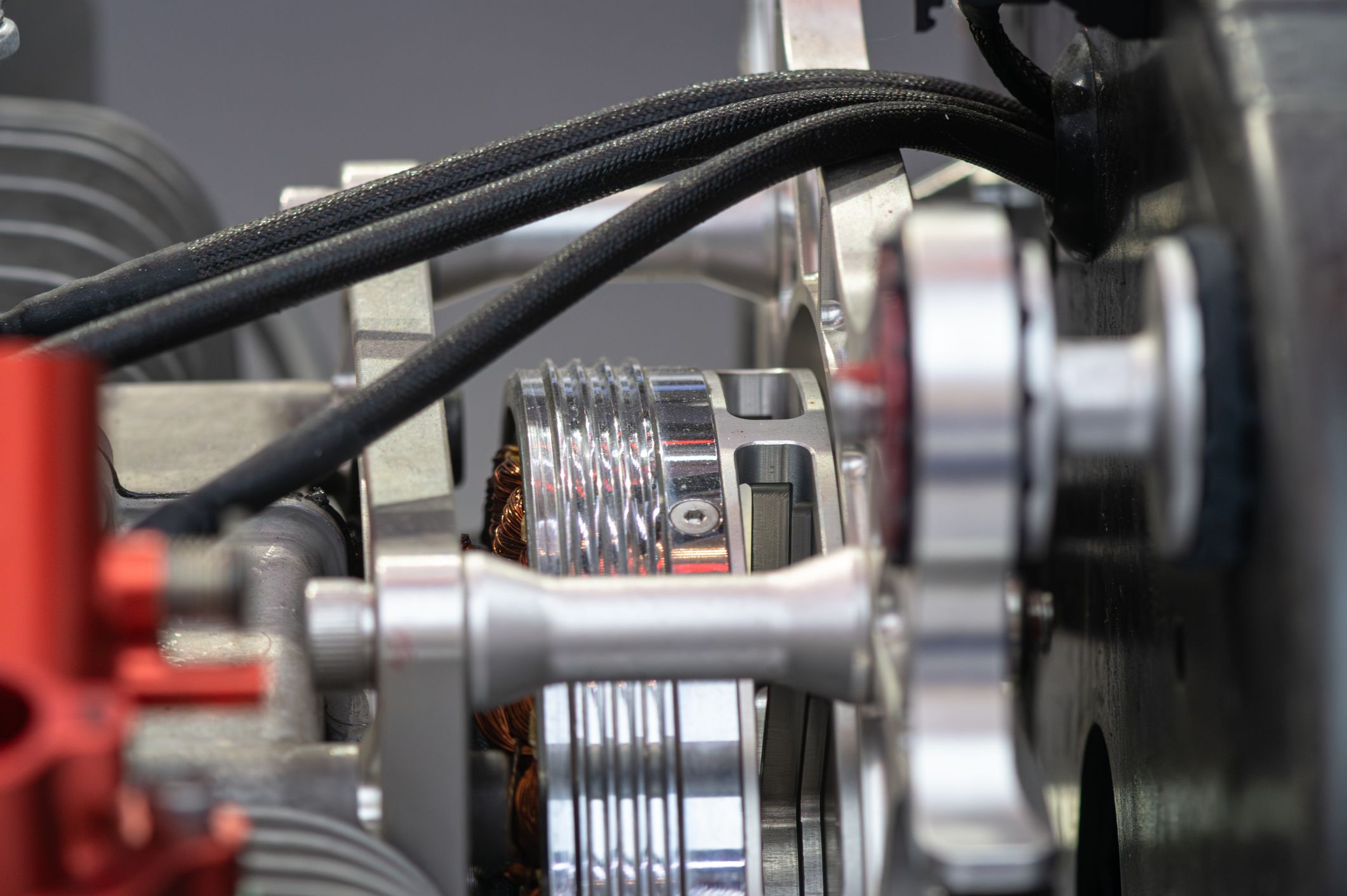
Reciprocating engines, similar in core design to those used in heavy-duty transportation and industrial applications, are increasingly being deployed in clusters to provide the necessary power capacity for data centers.
This shift is benefiting manufacturers such as Caterpillar, Innio and Rolls-Royce, which have seen rising orders tied to AI infrastructure demand.
Some firms in this space report that data center customers now comprise a substantial portion of their backlog, reflecting how important computing expansion has become to their business outlook.
The trade-off is that these engines are generally less efficient and produce higher emissions compared with large turbines or grid electricity. They also require more maintenance.
However, their relatively short delivery times and flexible deployment options make them attractive in a market where speed to operation is often more important than long-term efficiency.