SunGas Renewables Inc. plans to abandon development of the Beaver Lake Biofuels project, a proposed plant near Alexandria that would have converted wood fiber into low-carbon methanol, marking a setback for Central Louisiana and for the emerging clean-fuels sector.
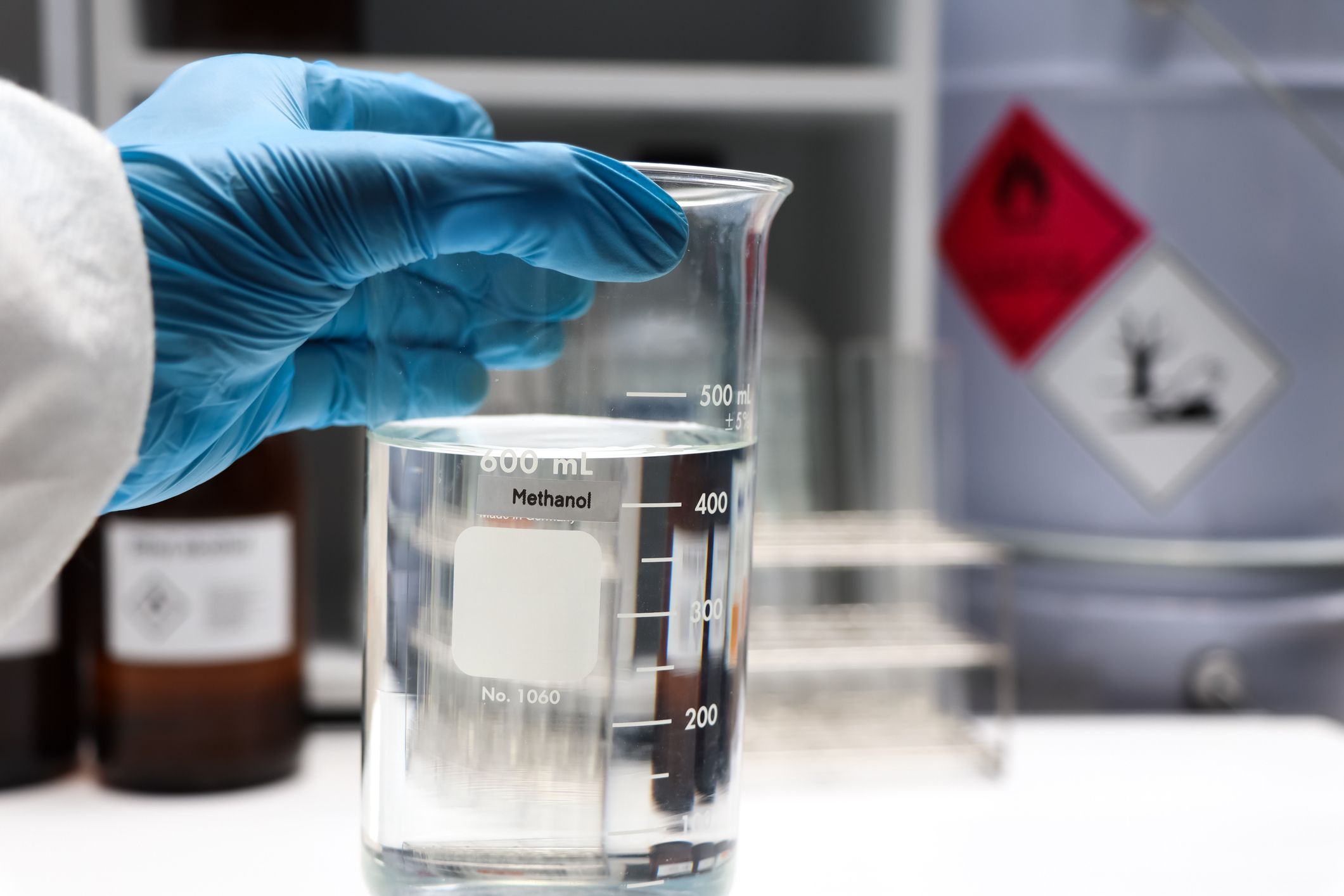
The facility had been designed around three of the company’s S1000 syngas production systems, paired with downstream technology to yield roughly 553,000 metric tons of low-carbon methanol annually. The project also called for geological storage of about 1.1 million metric tons of biogenic carbon dioxide each year.
In a statement, SunGas said that mix of scale and low carbon intensity would have positioned the plant as a globally competitive supplier as decarbonization rules tighten.
The company attributed the decision to several converging obstacles. Chief among them were sluggish market uptake of low-carbon marine fuels—methanol in particular—along with unresolved questions about the project’s carbon capture and storage pathway and a lack of clarity on the regulatory support and financing terms a venture of this size would require.
SunGas CEO Robert Rigdon said that while the company believes low carbon methanol can help decarbonize the maritime, aviation and chemicals industries, current market conditions influenced the decision.
“Given the current regulatory uncertainty, slower customer uptake and broader financing and infrastructure constraints, we do not believe the conditions are in place to move the project forward successfully,” Rigdon said in a prepared statement. “(This) announcement does not change our confidence in the long-term potential of SunGas’ technology to produce low-cost, low carbon molecules, including methanol, SAF, other transportation fuels and methane.”
SunGas noted that the project had drawn support from federal, state and local officials as well as community stakeholders, and said Beaver Lake had demonstrated both the promise of large-scale biomass-to-methanol production and the prospect of meaningful economic development in the region.
The company said it remains in talks with other prospective customers interested in deploying the S1000 system and will continue offering its full slate of products and engineering services.