
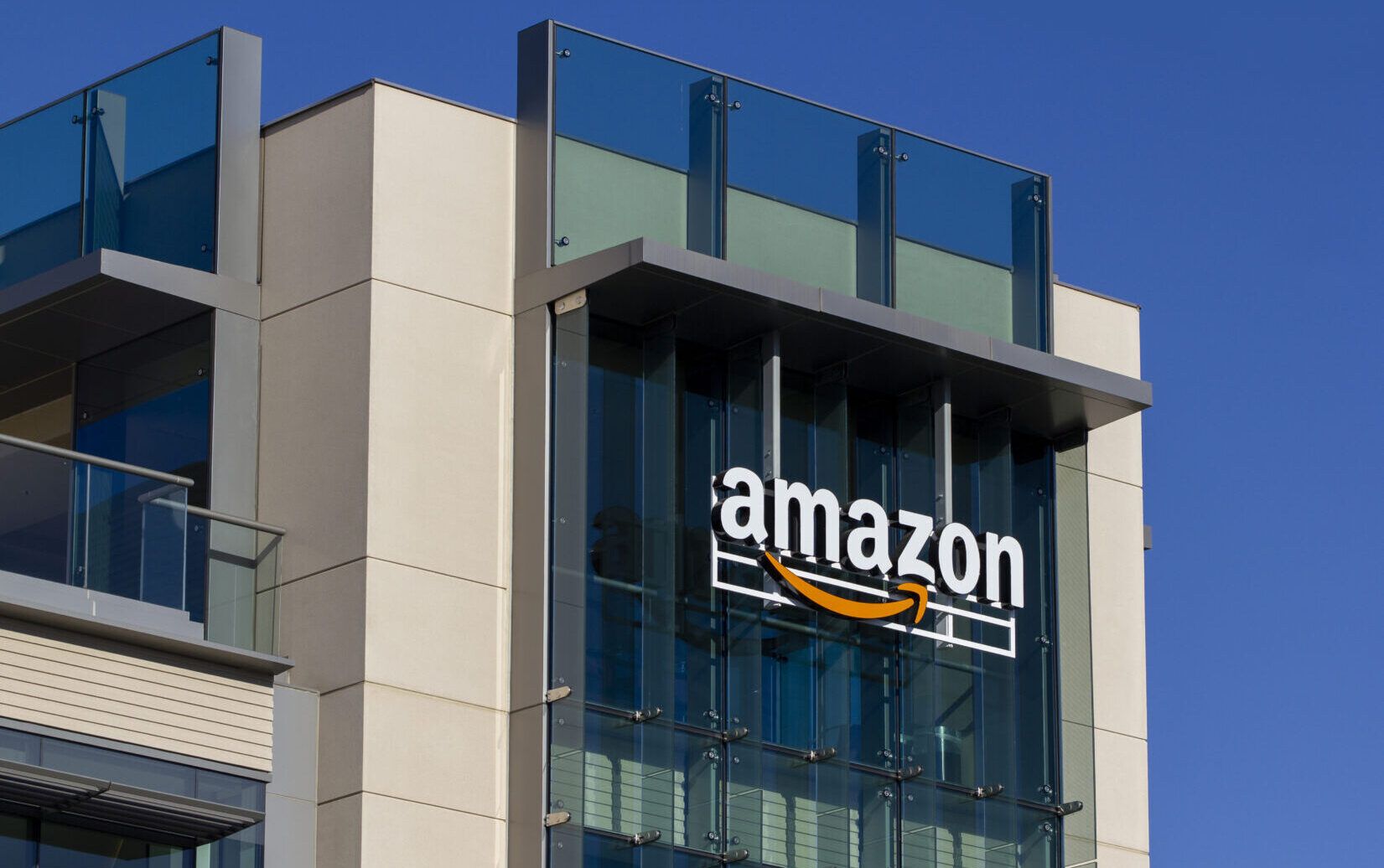
Amazon is investing $12 billion to build a web of data centers in northwest Louisiana, state officials announced at a press conference in Shreveport on Monday afternoon.
Gov. Jeff Landry said the project is the single largest investment in the region’s history. The new data centers are expected to create 540 direct new jobs.
The project will span interconnected campuses across Bossier and Caddo parishes and will support Amazon’s cloud computing technologies.
STACK Infrastructure, the owner of the campuses, will lead the construction and development of the facilities. Construction is expected to begin “in the coming weeks,” with operations launching in phases over the next several years.
Southwestern Electric Power Company, or SWEPCO, is working with Amazon to ensure the tech giant pays 100% of the costs associated with powering the campuses, according to Louisiana Economic Development. That includes all expenses for new energy infrastructure and upgrades required to serve the facilities.
Officials stressed at Monday’s press conference that SWEPCO ratepayers will not see their rates go up.
The Amazon project is the third large-scale data center project Louisiana has secured in recent years.
Meta, the parent company of Facebook and Instagram, is building a data center in Richland Parish. And in West Feliciana Parish, Hut 8, a Miami-based energy infrastructure firm, is building its own campus. Both projects have price tags upward of $10 billion.
“Today is not just an announcement,” Landry said at Monday’s press conference. “It’s a statement. It’s a statement about where this state is headed.”
The state offered Amazon a “competitive” incentives package to land the project, according to LED. That package includes the workforce development solutions of LED FastStart. The company is also expected to participate in Louisiana’s Data Center Sales Tax Exemption and High-Impact Jobs programs.
Amazon Web Services, or AWS, is the world’s most broadly adopted cloud platform. It allows organizations to rent computing power, storage and other IT resources over the internet rather than owning and maintaining physical servers themselves.